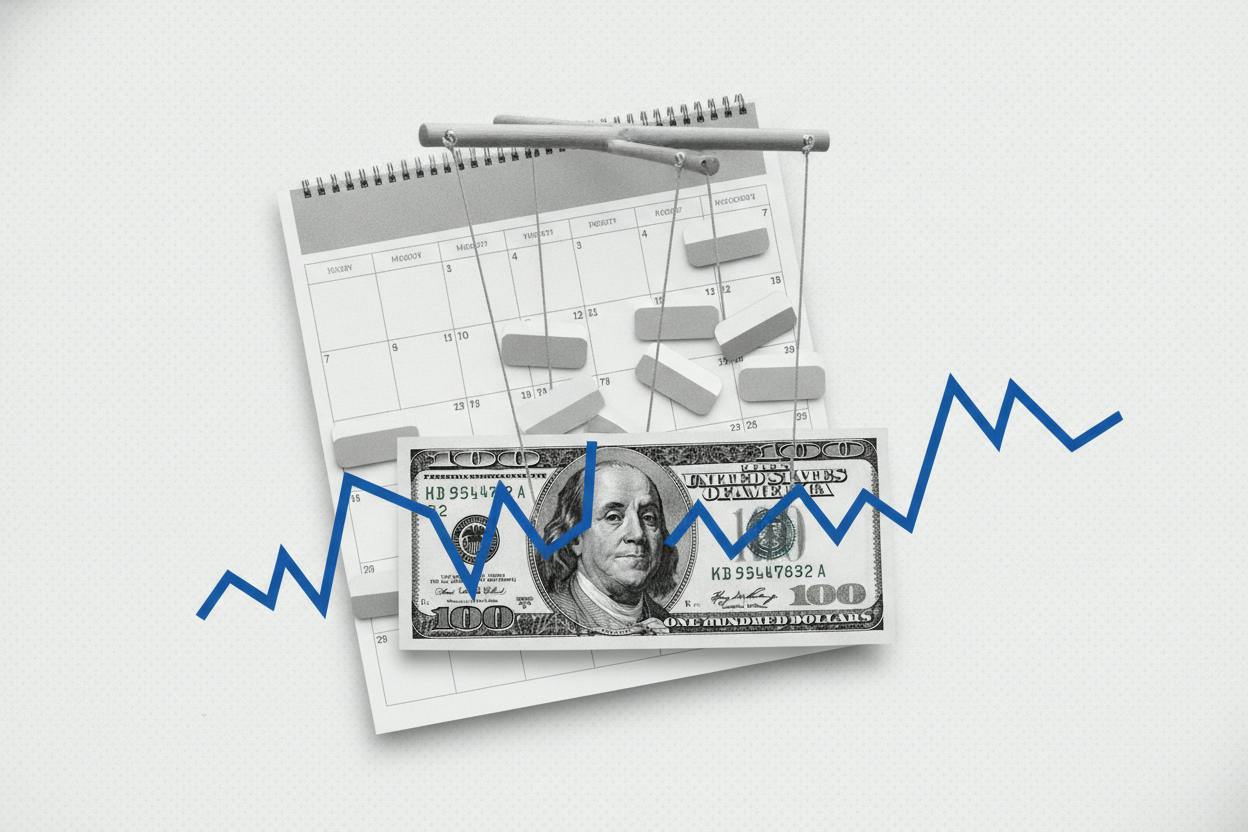
The US dollar nudged higher early Thursday, with currency markets on edge ahead of a rare pile-up of US economic data and a string of speeches from Federal Reserve officials. Adding to the mix, top central bank policymakers from Europe and Canada are also scheduled to speak, keeping traders alert for any hints about the future path of interest rates.
In the currency world, the raw numbers often matter less than the story they tell about the next move in interest rates. Thursday's US calendar is unusually crowded: weekly jobless claims, S&P Global's manufacturing survey, and the Institute for Supply Management (ISM) manufacturing report are all due out. On top of that, several Fed officials are set to speak, including Governor Christopher Waller, whose remarks are scheduled to coincide with the ISM release.
Why this data matters for the dollar
Currency traders are essentially betting on where interest rates are headed. When US data comes in stronger than expected, it often raises the odds that the Federal Reserve will keep rates higher for longer, which tends to support the dollar. Conversely, weaker data can fuel expectations of rate cuts, which typically weighs on the greenback.
Thursday's reports offer a snapshot of the US economy's health. Jobless claims are a weekly gauge of layoffs, and a rising trend can signal a cooling labor market. The ISM manufacturing index is a closely watched survey of factory activity, and a reading below 50 indicates contraction. S&P Global's manufacturing survey provides a similar, often more timely, look at the sector.
The Fed speakers are just as important. Investors will parse their comments for any clues about the central bank's thinking on inflation, employment, and the timing of any rate changes. Governor Waller's appearance is particularly notable because he is a permanent voter on the rate-setting committee and his views often move markets.
A global central bank spotlight
The dollar's moves are also being shaped by what's happening abroad. European Central Bank (ECB) officials are on the schedule, and their tone on inflation and growth could influence the euro, the dollar's biggest rival. Similarly, the Bank of Canada's top officials are due to speak, which could affect the Canadian dollar.
This transatlantic focus comes at a time when the dollar has been holding near a two-month high, supported by elevated long-term US Treasury yields. Higher yields make dollar-denominated assets more attractive to global investors, which tends to boost demand for the currency.
The broader backdrop is one of uncertainty. Central banks around the world are trying to gauge whether inflation is truly under control while economies show mixed signals. Recent cooler US inflation data had pulled the dollar down as traders trimmed bets on further rate hikes, but the currency has since recovered as yields climbed.
What it means for investors
For everyday investors, the dollar's direction matters more than it might seem. A stronger dollar can affect the returns on international investments, the price of imported goods, and the earnings of US multinational companies. It also tends to put downward pressure on commodities like gold and oil, which are priced in dollars.
If Thursday's data comes in hot, the dollar could extend its gains, potentially pressuring emerging market currencies and assets. Asian currencies have already started October under pressure as the dollar stays strong, and a further rally could add to that strain. On the other hand, weak data could reignite hopes of rate cuts, sending the dollar lower and giving a boost to riskier assets.
For those with money in international stocks or funds, currency swings can add a layer of volatility. A stronger dollar means foreign earnings are worth less when converted back to US dollars, which can drag on returns. Conversely, a weaker dollar can provide a tailwind.
The key takeaway is that Thursday's data and speeches are not just academic exercises. They provide real signals about the future path of interest rates, which ripple through everything from mortgage rates to the value of your overseas investments. As always, it's wise to keep a long-term perspective and not overreact to any single day's moves.