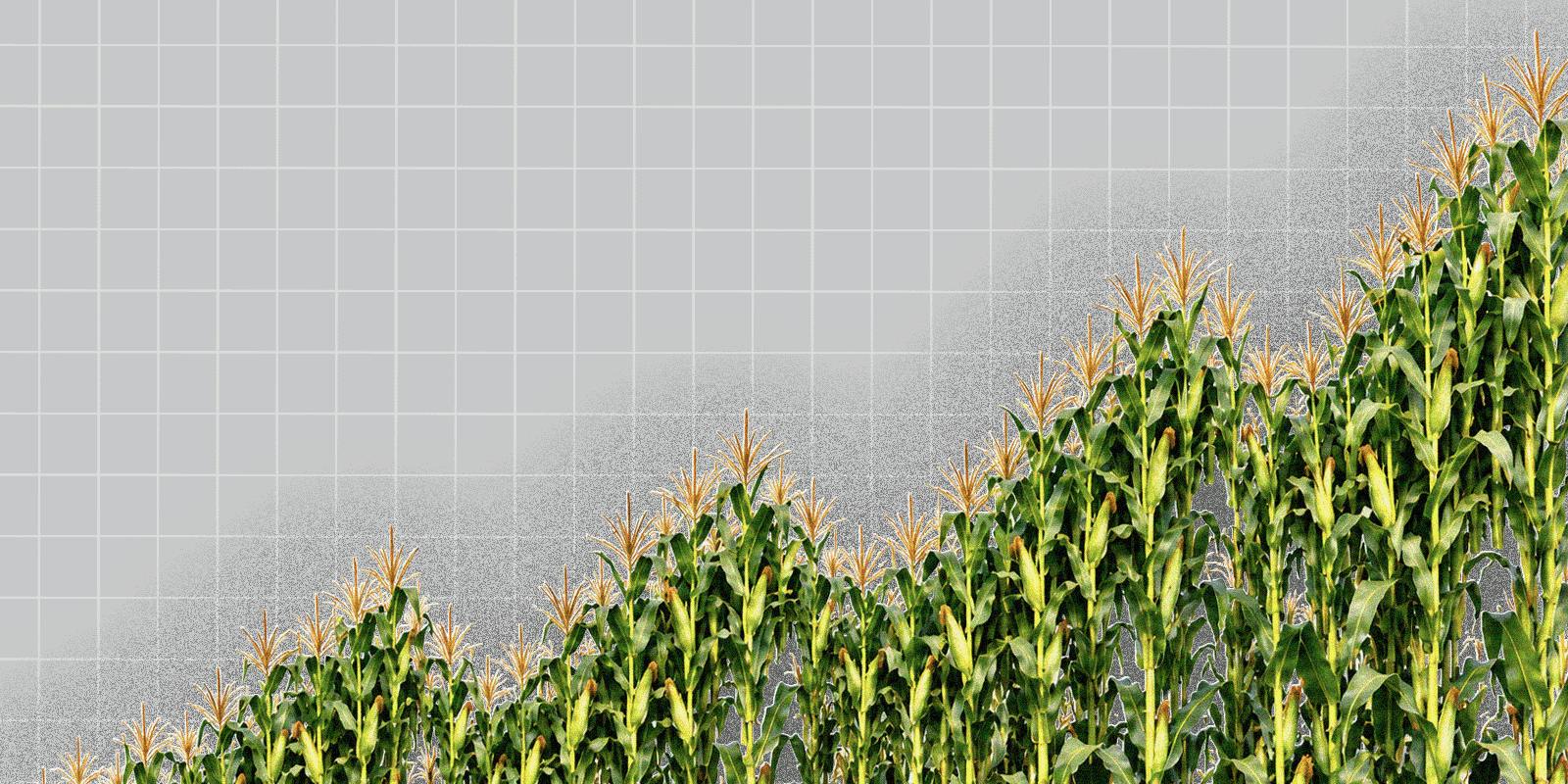
If you've noticed your grocery bill creeping up lately, there may be more of that to come. Global crop prices just posted their biggest quarterly jump in more than two years, and the effects are likely to ripple through to the food you buy at the supermarket.
The Bloomberg Agriculture Spot Index, which tracks the prices of ten of the world's most heavily traded crops, rose 13% last quarter. That's the largest quarterly gain since early 2022, when Russia's invasion of Ukraine sent food prices soaring worldwide.
What's driving the surge?
Several forces are pushing crop prices higher, and they're all happening at once.
First, the war in Ukraine. Fighting between Russia and Ukraine has intensified, and that's squeezing shipments out of the Black Sea. That region is a crucial hub for grains and oilseeds, so any disruption there has global consequences. When supply from that area is threatened, buyers scramble, and prices rise.
Second, extreme weather. Major growing regions around the world are dealing with everything from droughts to floods to unseasonable heat. These conditions can damage crops at critical stages of growth, reducing yields and tightening supplies.
Third, rising farm costs. Farmers everywhere are paying more for the things they need to grow crops, from fertilizer to diesel fuel. When it costs more to produce food, those costs eventually get passed along to consumers.
These factors are combining to create a perfect storm for agricultural prices, and that has implications for everyone who eats.
What it means for your grocery bill
Higher crop prices don't show up at the grocery store overnight. There's usually a lag of a few months between what farmers receive for their crops and what you pay at the checkout. But the direction is clear: if crop prices stay elevated, food prices are likely to follow.
For everyday investors, this matters in two ways. First, it affects your personal budget. Food is a significant expense for most households, and when it gets more expensive, you have less money to spend on other things, or you have to dip into savings.
Second, it affects the broader economy. Higher food prices feed into inflation, which is the rate at which prices for goods and services rise. Central banks, like the Federal Reserve, watch inflation closely because it influences their decisions on interest rates.
If inflation stays sticky, central banks may keep interest rates higher for longer. That affects everything from mortgage rates to the returns on your savings account to the performance of your stock portfolio. Higher rates tend to weigh on stock valuations, especially for growth companies.
What investors are watching
For bond investors, this is a particular concern. Bonds are sensitive to inflation because it erodes the real value of fixed interest payments. If inflation stays high, bond prices can fall, and yields rise. That's why the jump in crop prices is being watched closely by fixed-income markets.
There's also a knock-on effect for other assets. Higher food prices can influence consumer spending patterns, which shows up in retail sales data and company earnings. For example, if people spend more on groceries, they might cut back on discretionary items like dining out or new clothes.
Some sectors are more exposed than others. Grocery stores and food producers may see their profit margins squeezed if they can't pass on all the cost increases to consumers. On the other hand, companies that make agricultural inputs, like fertilizers, could benefit from higher prices.
It's also worth noting that this isn't happening in a vacuum. The broader commodity complex has been under pressure from various global forces, including energy prices and supply chain disruptions. Oil prices have been steady near $98, and that affects the cost of transporting food and running farm equipment.
For investors, the key takeaway is that food inflation is a story that's likely to persist for a while. It's not just about the price of wheat or corn; it's about the ripple effects through the economy.
What to watch next
Investors will be keeping an eye on several things in the coming months. First, how the conflict in Ukraine evolves. Any de-escalation could ease shipping disruptions and bring prices down. Second, weather patterns in key growing regions. A good harvest could replenish supplies and cool prices. Third, the cost of inputs like fertilizer and fuel. If those stay high, it will keep upward pressure on crop prices.
Also watch for how central banks respond. If inflation remains stubborn, they may signal that interest rates will stay higher for longer. That would have implications for stock market volatility, as investors adjust to a higher-for-longer rate environment.
For now, the message for consumers is simple: be prepared for potentially higher food prices in the months ahead. And for investors, it's a reminder that inflation is still a force to be reckoned with, and it can come from unexpected places.
As always, it's important to keep a long-term perspective. Food prices have historically been volatile, and they do tend to moderate over time. But the current combination of geopolitical tension, weather extremes, and rising costs suggests that the path to lower grocery bills may be bumpy.