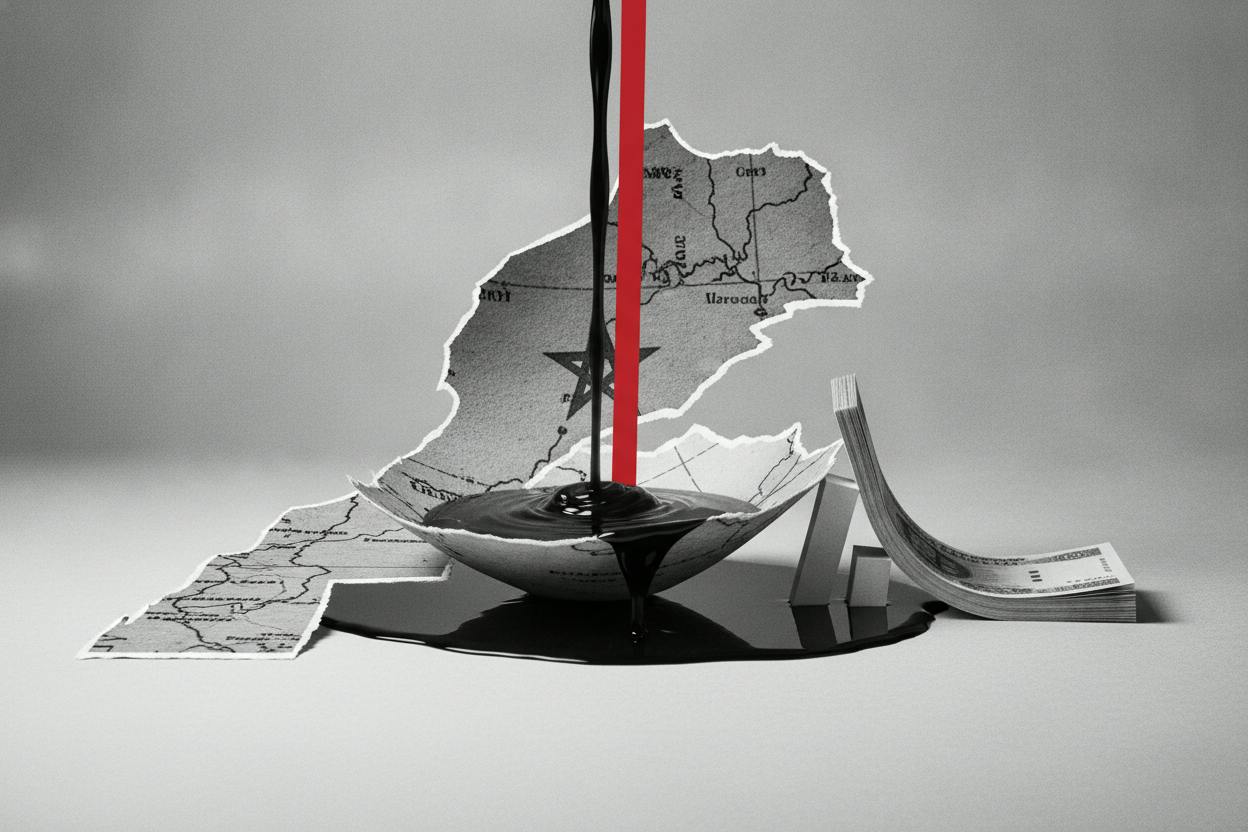
Morocco's trade deficit widened sharply in the first eight months of this year, as a surge in energy and industrial input costs outpaced growth in exports, according to data released Thursday by the country's foreign exchange regulator.
The gap between what Morocco buys from the rest of the world and what it sells abroad grew 25.4% to 282.6 billion dirhams ($29 billion). Imports rose 15.8% to 617.5 billion dirhams, while exports increased a more modest 8.7% to 334.8 billion dirhams.
For everyday investors, the trade deficit is essentially the amount of foreign currency a country needs to find each day to pay for the goods it consumes but doesn't produce enough of. When that shortfall widens, it can put pressure on the national currency and influence how global markets view the country's debt.
Energy costs drive the gap
The biggest culprit was energy. Morocco's energy import bill jumped 32.6% to 96.3 billion dirhams, driven by higher prices for diesel and fuel oil. That's a significant increase for a country that imports nearly all of its fossil fuel needs.
Some relief came from a better harvest: wheat imports fell 18.4% to 9.3 billion dirhams after a more productive agricultural season. But that saving was dwarfed by the extra cost of fuel.
The pattern is familiar to many import-dependent economies. When global energy prices climb, countries like Morocco face an immediate and unavoidable increase in their import bill. Unlike a temporary burst of machinery purchases, energy costs are recurring and hard to trim quickly.
Exports: a mixed picture
Not all export sectors struggled. Automotive shipments, supported by the Stellantis and Renault plants operating in the country, rose 14.5% to 116 billion dirhams. That's a bright spot, reflecting Morocco's growing role as a manufacturing hub for European carmakers.
But the country's traditional strength—phosphate and its derivatives—slipped 6% to 61 billion dirhams. Phosphate is a key ingredient in fertilizers, and Morocco holds some of the world's largest reserves. Yet the value chain is not fully self-sufficient: sulphur imports, used in fertilizer production, almost tripled to 27.2 billion dirhams. So even when phosphate prices are favorable, the net benefit is reduced by the cost of imported inputs.
This is a reminder that trade deficits aren't always a sign of weakness. A country can run a deficit because it's investing in manufacturing capacity or because its export industries rely on imported components. But when the deficit is driven by energy and raw material costs, it's harder to shrink quickly.
What it means for investors
For investors in Moroccan government bonds or credit, the widening deficit is a signal to watch. A larger trade gap means the country needs more foreign currency to settle its import bills. While Morocco has supportive inflows—remittances from citizens abroad rose 9% to 89 billion dirhams, tourism revenue climbed 9.7% to 97 billion, and foreign direct investment increased 17% to 47.3 billion—these don't always move in step with global diesel, fuel oil, or sulphur prices.
In months when the import bill spikes, Morocco may have to dip into its foreign-exchange reserves or attract external financing. That can make investors more sensitive to how they price sovereign risk, since an energy-led deficit is harder to reverse than one caused by a temporary burst of capital equipment imports.
The situation echoes broader trends in emerging markets, where higher energy costs have widened trade gaps and pressured currencies. Energy costs have also weighed on the euro, which recently hit a 17-month low, and have been a factor in Asian factory activity.
For now, Morocco's economy remains resilient, with tourism and remittances providing a cushion. But the trade data is a reminder that energy prices are a key variable for the dirham and for the country's external finances. Investors will likely keep a close eye on global oil markets and on Morocco's ability to keep its deficit from widening further.