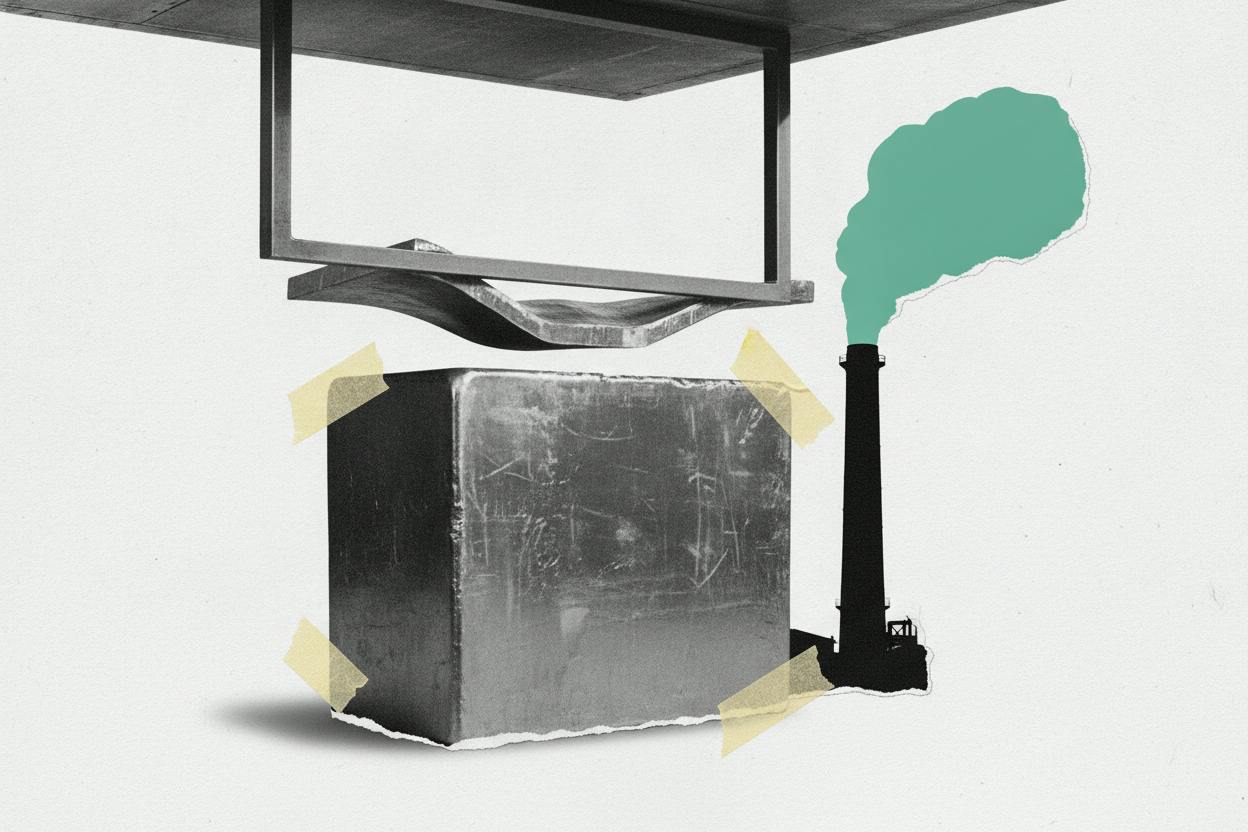
China, the world's largest aluminum producer, just posted a record third-quarter output of primary aluminum, according to data from the National Bureau of Statistics. The country produced 11.84 million metric tons in the July-to-September period, up 2.2% from a year earlier, with September alone hitting 3.91 million tons. That puts China on track to produce around 46.7 million tons annually, according to Reuters calculations based on the official figures.
The striking part? Beijing has maintained a 45-million-ton capacity cap since 2017, designed to curb overcapacity and pollution. Yet smelters have kept running hard, pushing output above that headline limit. The apparent contradiction is explained by how the cap works: it targets installed smelting capacity—the equipment—not the actual tons produced. Producers can still squeeze more metal from the same plants by improving efficiency and running at higher utilization rates when it's profitable to do so.
Why are smelters running flat out?
Several factors are encouraging Chinese smelters to maximize production. Stronger aluminum prices, partly driven by disruptions in the Middle East, have improved profit margins. At the same time, raw material costs have remained relatively low, making it more attractive to keep furnaces running. Reuters noted that these conditions have helped margins and prompted producers to push output higher, even as policymakers try to rein in the industry.
This is not a new phenomenon. Chinese aluminum producers have often found ways to operate above the official cap, especially when market conditions are favorable. The cap was introduced to address chronic overcapacity and environmental concerns, but enforcement has been flexible, allowing for efficiency gains and higher utilization rates.
What it means for global markets
For investors, the key takeaway is that China's 46.7-million-ton pace makes the 45-million-ton cap look like a soft brake rather than a hard ceiling. If China can keep producing above the headline limit by squeezing more tons out of the same installed capacity, then global aluminum prices depend more on Chinese operating decisions than the official figure suggests.
In practice, this makes supply more responsive to price. When disruptions lift aluminum prices and profits improve, China can push back with more output faster than many expect. That was evident in the third quarter, as smelters responded to higher prices by running at full tilt. Conversely, if margins narrow—due to weaker demand or higher input costs—that flexible supply can cool just as quickly, potentially adding volatility to global pricing.
For everyday investors, this means aluminum prices could be more volatile than the headline capacity cap implies. Companies that rely on aluminum as an input, such as automakers and construction firms, may face fluctuating costs. On the other hand, producers outside China might find it harder to raise prices when Chinese supply can ramp up quickly.
Broader context and what to watch
The record output comes amid a mixed picture for China's economy. Recent data showed third-quarter growth beat forecasts, easing pressure for large-scale stimulus. That resilience is supporting demand for industrial metals, including aluminum. However, other sectors tell a different story: steel output climbed in September but profits remain razor-thin, highlighting the challenges facing heavy industry.
China's currency has also been strengthening, with the yuan hitting a four-year high after the growth data. A stronger yuan makes Chinese exports more expensive, but for aluminum, the impact is more nuanced—it can affect the competitiveness of Chinese metal on global markets.
Investors should keep an eye on whether Chinese smelters can sustain this pace. If prices remain firm and input costs stay low, output could stay above the cap for longer. But any slowdown in Chinese demand—or a rise in raw material costs—could quickly cool production, tightening global supply and pushing prices higher.
For now, the record output is a reminder that China's aluminum industry is more flexible than the official numbers suggest. That flexibility is a double-edged sword: it can help stabilize prices when they spike, but it can also add uncertainty when the market turns.



