Beijing's World Robot Conference opened this week with more than 300 exhibitors, but the real spectacle may be happening off the exhibition floor. As humanoid robots jump, dance, and sort parcels on cue, a growing number of the companies behind them are preparing to go public, according to Reuters. The event is fast becoming a public proving ground for China's robotics push—a place to show not just what machines can do, but that they can be sold and supported at scale.
A showcase with a financial twist
The conference has long been a stage for technical wizardry, but this year the business side is front and center. Companies like Deep Robotics and Tencent-backed Leju are reportedly lining up listings, signaling that investors are increasingly willing to bet on the sector's commercial viability. For everyday investors, this is a notable shift: robotics is moving from a research curiosity to a market with real revenue potential.
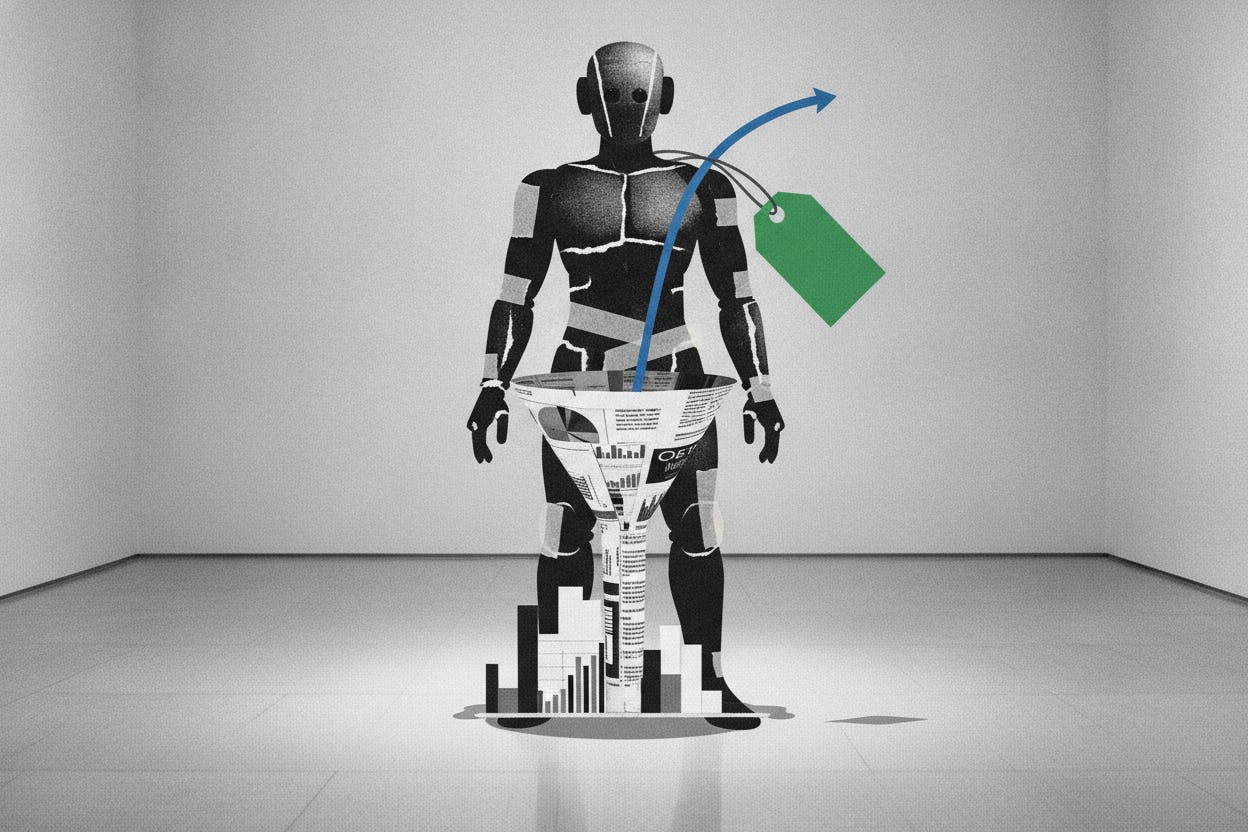
Hangzhou-based Unitree, one of the most prominent exhibitors, leaned heavily into price points. The company unveiled its compact R1 humanoid at 39,900 yuan (about $5,900), a figure that undercuts many rivals and aims to make humanoid robots more accessible. Its more advanced H1 model is listed at $90,000, and the company also previewed a “Superman” model it claims can make a 2-meter standing jump. These announcements are designed to show that robots aren't just impressive—they're becoming affordable enough for real-world deployment.
Why this matters for investors
For investors, the World Robot Conference is more than a tech demo. It's a window into which companies might soon be trading on public markets. The IPO pipeline forming around the event suggests that private investors are seeing enough traction to cash out, and that public market investors are eager to get in on the ground floor of what could be a transformative industry.
However, it's important to keep expectations grounded. While the sector is generating buzz, many robotics companies are still early-stage, with uncertain profitability. The path from a flashy prototype to a sustainable business is long, and not every exhibitor will become the next big winner. As with any emerging technology, there will be both successes and failures.
China's broader economic backdrop adds another layer. The country has been holding key lending rates steady, as fiscal spending takes the spotlight in supporting growth. That environment could provide a tailwind for capital-intensive industries like robotics, but it also means investors should watch how government policies evolve.
What to watch next
For those tracking the sector, the key will be whether these IPO-bound companies can demonstrate not just technical prowess but also commercial traction. Look for details on revenue, customer adoption, and after-sales support—areas where many robotics firms have historically struggled. The conference's emphasis on “sold and supported at scale” is a direct response to that concern.
Investors might also keep an eye on how the market receives these listings. A strong debut could encourage more companies to follow suit, while a lukewarm reception could cool the IPO pipeline. The recent Unitree IPO debut—which saw a 500% surge on its first day—shows the appetite for robotics stocks, but it also masks broader market volatility in Chinese tech.
For now, the World Robot Conference is a reminder that innovation and investing often go hand in hand. As robots become more capable and more affordable, the companies that build them are increasingly becoming part of the public market conversation. Whether they can live up to the hype is a question that will play out in the months and years ahead.