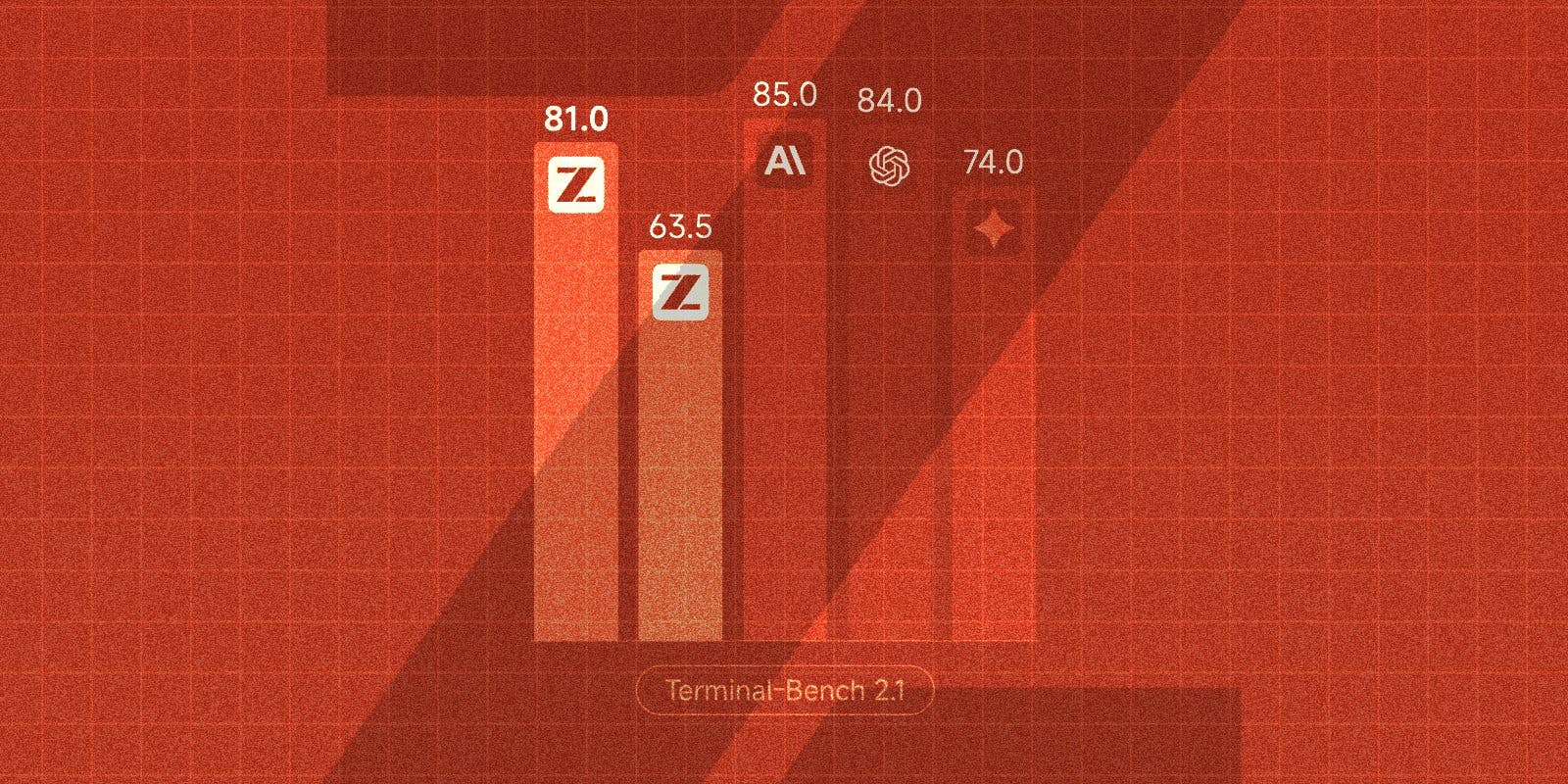
Chinese artificial intelligence company Zhipu is preparing to sell more shares to the public after its stock price surged, pushing its valuation above $120 billion. The move comes as the firm has become one of China's leading AI developers and a bigger player on the global stage, with Chinese-built generative AI models now accounting for 15% of worldwide usage as of late 2025 — a sharp jump from just 1% the year before.
JPMorgan has named Zhipu its top Chinese AI pick, reflecting the market's enthusiasm. But the company's path forward is complicated by a looming lockup expiry and ongoing questions about profitability.
What's Happening With Zhipu's Stock?
Zhipu's stellar rally has been fueled by growing demand for AI and the company's position in China's rapidly expanding AI sector. The firm is now eyeing a share sale that could raise billions of dollars — far more than its original listing, which raised just $558 million.
However, investors should be aware of a key date: July 8. That's when a six-month lockup period expires. A lockup is a restriction that prevents company insiders and early investors from selling their shares for a set time after an IPO. When it ends, those holders are free to sell, which can unleash a wave of selling and put downward pressure on the stock price.
Zhipu's share sale could come shortly after the lockup expires, adding another layer of supply to the market. The timing means the company will need to carefully manage investor sentiment.
Why Zhipu Matters in the Global AI Race
While much of the world's attention has been on American AI companies like OpenAI and Anthropic, Zhipu has quietly become a major force. Its rise reflects a broader shift: Chinese AI firms are no longer just followers but increasingly competitors on the world stage.
Zhipu's approach differs from its US rivals. American AI companies tend to build big, expensive, proprietary models designed to maximize profit per user — think Anthropic's Claude suite. Chinese AI, by contrast, focuses on cheaper, open-source models built for mass adoption. Zhipu's newest models are free to download, while DeepSeek's latest costs about 33 times less than OpenAI's for a comparable workload.
This has sparked a debate among investors about which business model is more sustainable in the long run. The answer could determine the winners and losers in the global AI race.
Government Support — and Risk
Zhipu's success has been helped by strong backing from the Chinese government, which has pushed measures to expand consumer AI adoption, ease public listing rules for AI firms, and embed the technology into manufacturing, ecommerce, and logistics. That support has been a tailwind for the company.
But there's a catch. The company's future depends on the government staying supportive — and that's far from guaranteed. China has a history of flipping the script on tech billionaires, imposing sudden regulatory crackdowns that have wiped out billions in market value. Investors in Zhipu will be watching Beijing closely for any signs of a policy shift.
What It Means for Investors
Zhipu's story is a classic case of high reward and high risk. On one hand, the company is riding a wave of AI adoption and government support, with a valuation that reflects enormous optimism. On the other hand, it's still deeply unprofitable and, for now, falls short of the scale, reach, and muscle of US rivals like Anthropic and OpenAI.
The upcoming lockup expiry and share sale add near-term uncertainty. If insiders and early investors rush to sell, the stock could face significant pressure. But if the company can successfully raise capital and continue to grow, the long-term opportunity remains substantial.
For everyday investors, the key takeaway is that Zhipu represents a bet on the Chinese AI sector and the open-source model approach. But it's a bet that comes with political risk, profitability concerns, and potential volatility from the lockup expiry. As always, diversification and a long-term perspective are important when considering any single stock.
In related news, the broader AI chip rally has been rekindled by forecasts from Micron and Qualcomm, boosting Asian markets. And Hong Kong's crypto ETF market has surged 90% as regulators plan new rules, showing the region's growing appetite for tech-related investments.