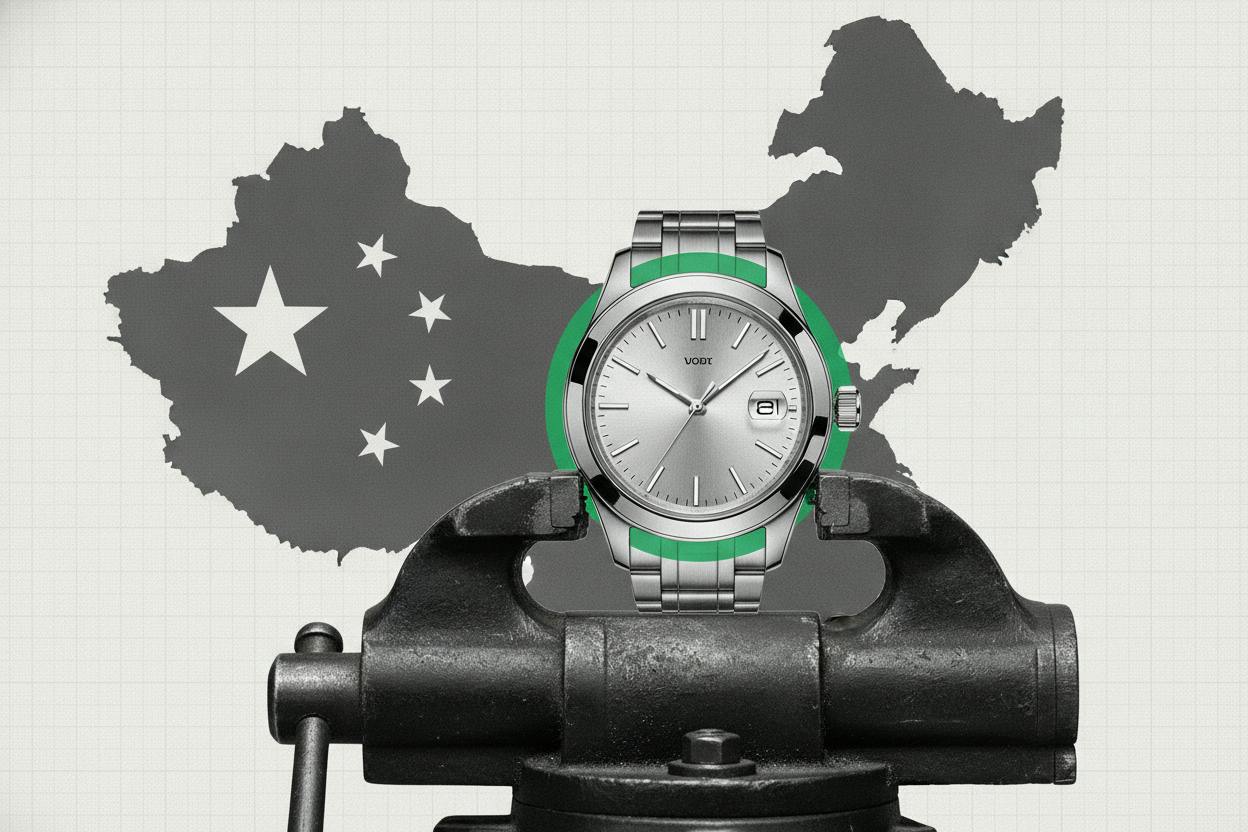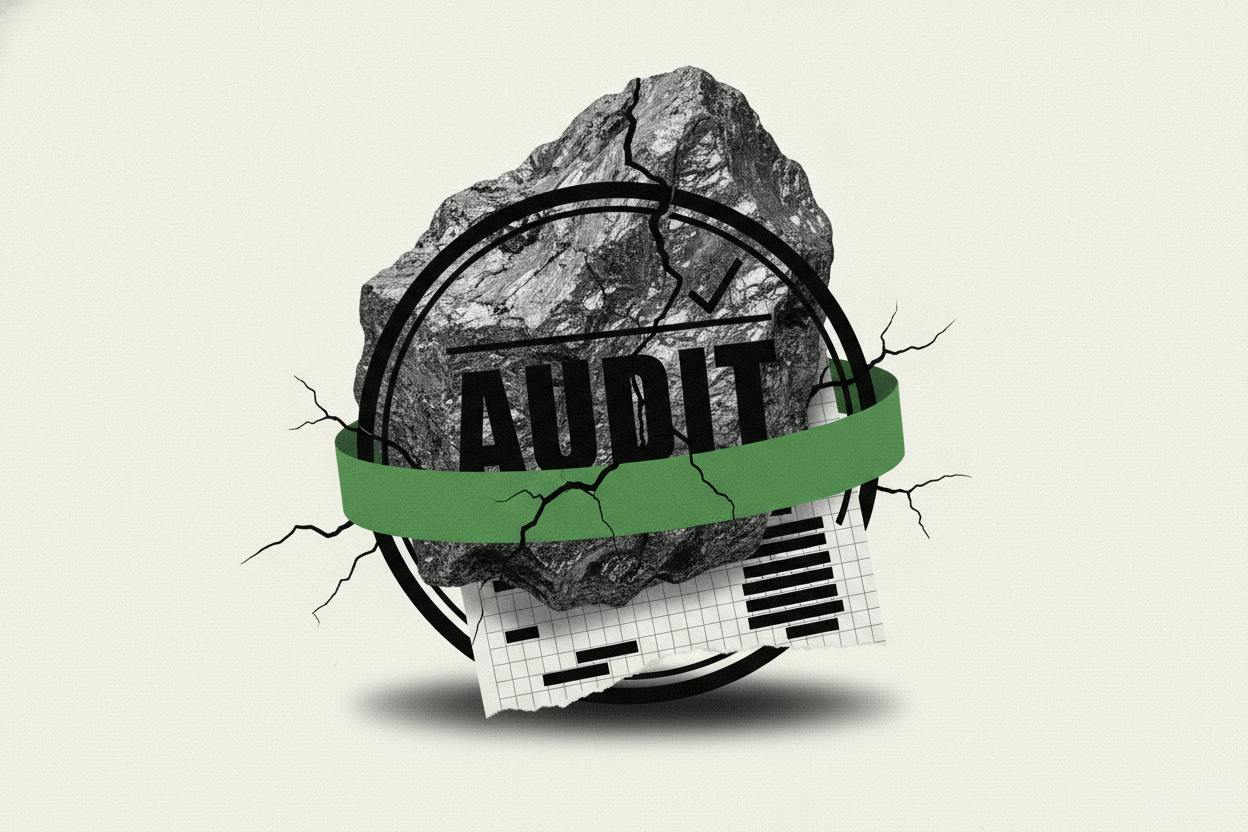
The Democratic Republic of Congo is tightening its grip on the mining sector. Starting January 1, 2027, new rules will require major mining companies to undergo annual audits aimed at ensuring more of their subcontracting work goes to Congolese-owned firms. The country's subcontracting regulator, ARSP, is drafting mining-specific regulations that will include sanctions and mandatory three-year compliance plans.
Congo is the world's largest producer of cobalt and Africa's top copper producer, making it a critical player in the global supply chain for batteries and electronics. The move is part of a broader push by the government to capture more of the economic value generated by its mineral wealth.
What the new rules involve
According to Reuters, ARSP is not only drafting new rules but also hiring additional inspectors and reopening old cases to enforce compliance. The regulator has already contacted several companies, including Glencore, Ivanhoe Mines' Kipushi zinc mine, and a Chinese-controlled operation (the name of which was not fully disclosed in the brief).
The annual audits will assess whether mining companies are meeting local-content requirements—meaning the share of contracts and services awarded to Congolese-owned businesses. Companies that fail to comply could face sanctions, though the specific penalties have not been detailed.
This is not an entirely new direction. Many resource-rich countries have introduced local-content rules to ensure that mining revenues benefit the domestic economy. What's notable here is the enforcement mechanism: regular audits, a dedicated regulator, and a clear timeline.
Why it matters for investors
For investors in mining companies operating in Congo, this development adds a layer of regulatory risk. Companies may need to adjust their supply chains, renegotiate contracts, or set aside resources for compliance. That could mean higher operating costs or delays in project timelines.
However, the impact will likely vary by company. Those that already work with local partners may find it easier to adapt, while others might face more disruption. The three-year compliance plans suggest a gradual transition, giving companies time to adjust.
It's also worth noting that Congo's mining sector is a major source of global cobalt, a key ingredient in electric vehicle batteries. Any regulatory changes that affect production could have ripple effects on global supply and prices. Investors in battery makers or EV manufacturers may want to keep an eye on how these rules evolve.
For a broader perspective on how mining companies are financing projects in the current environment, see our coverage of Tungsten Mining's debt plans and Goldgroup Mining's recent capital raise.
What to watch next
Investors should monitor how ARSP implements the audits and whether any major companies face sanctions. The reopening of old cases could also lead to retroactive penalties, which might surprise some firms.
Another key question is how the new rules will be applied to Chinese-controlled operations, which dominate much of Congo's cobalt production. If enforcement is uneven, it could create competitive imbalances.
Finally, the success of this policy will depend on whether there are enough capable Congolese-owned firms to take on the subcontracting work. If not, the rules could slow down mining operations, affecting output and revenues.
For now, the message to investors is clear: regulatory oversight in Congo's mining sector is set to intensify. Companies with strong local relationships and compliance systems may be better positioned, while others could face headwinds.
As the 2027 deadline approaches, expect more details on the specific rules and sanctions. In the meantime, investors should factor this into their risk assessments for any company with significant exposure to Congolese mining assets.