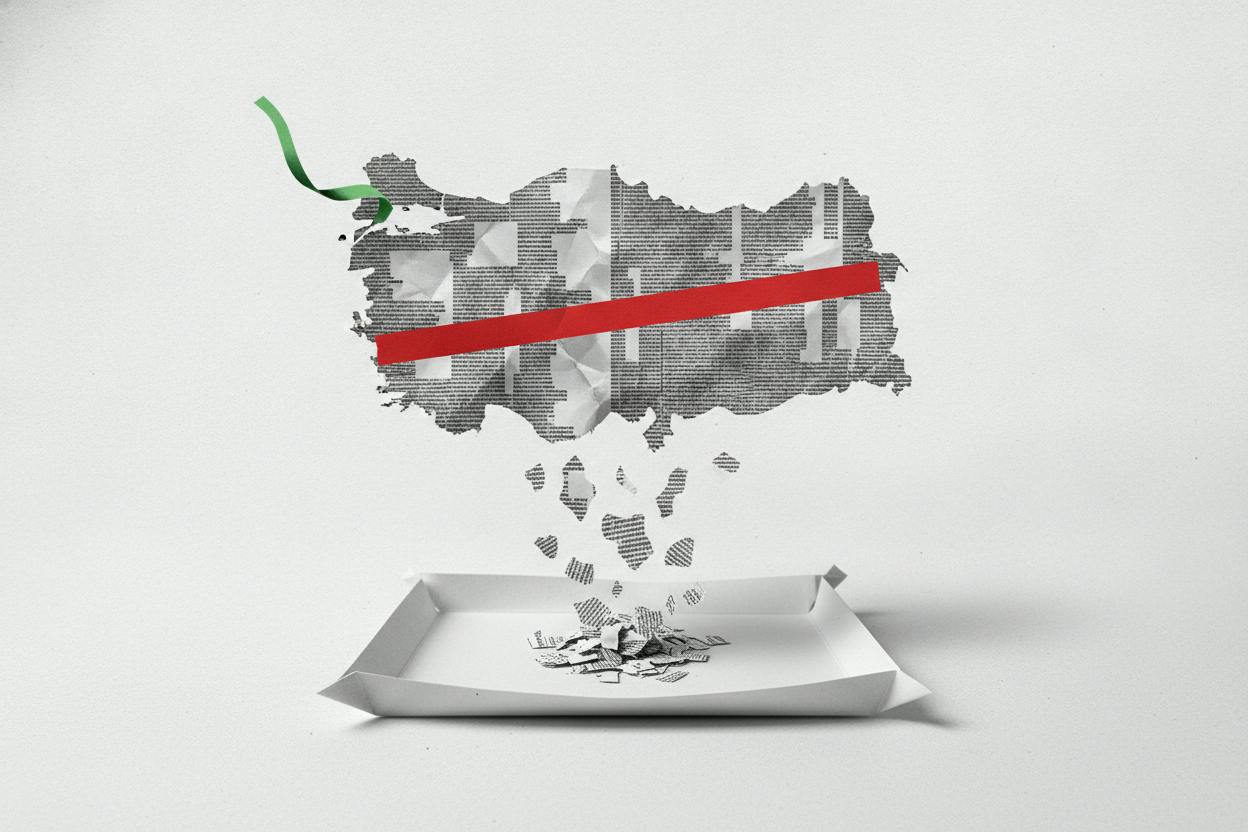
Turkey's Capital Markets Board (SPK) has ordered the liquidation of 131 investment funds, a sweeping move that affects roughly 1 trillion lira (about $20.4 billion) in assets and nearly 456,000 investors. The decision comes after a series of fund defaults rattled confidence in the country's financial system.
Reuters described the episode as Turkey's biggest fund crisis, and the numbers underline the scale. From August 31 to September 16, the value of assets held by these funds fell by 21%, or 272.5 billion lira, to 992 billion lira, as investors rushed to pull their money and prices tumbled. The turmoil began when Pusula Portfoy, an asset manager, flagged a default, and Tera Portfoy, another manager, said two of its funds had defaulted a day later. That news helped push the Borsa Istanbul 100 Index down 5.5%.
What triggered the crisis?
The defaults appear to have been sparked by a liquidity crunch in certain funds, likely those holding less liquid assets such as corporate bonds or real estate. When a fund cannot meet redemption requests because its assets are hard to sell quickly, it may default on its obligations. In Turkey, a wave of such defaults can spread quickly, as investors in one fund may try to pull money from others, creating a cascade.
The SPK's decision to liquidate 131 funds is an attempt to bring order to the situation. Liquidation means the funds' assets will be sold off, and the proceeds returned to investors. How much investors recover will depend on how easily those assets can be sold and at what prices.
What does liquidation mean for investors?
For the roughly 456,000 investors caught up in this, the key question is how much of their money they will get back. In a liquidation, the fund's holdings are sold, and the cash is distributed to investors after any fees and costs. If the assets are liquid and have held their value, investors may recover most of their investment. But if the assets are illiquid or have fallen in price, the recovery could be significantly less.
This is a reminder that investment funds, even those that seem diversified, carry risks. Funds that invest in less liquid assets can face redemption pressures during times of stress, and investors may not be able to get their money out when they want. The SPK's action is meant to protect investors by ensuring an orderly process, but it also means that some investors may have to wait for their money and could receive less than they originally invested.
Broader market impact
The crisis has already had a visible effect on Turkish markets. The Borsa Istanbul 100 Index fell 5.5% in the wake of the defaults, reflecting investor anxiety. The SPK's liquidation order may help stabilize sentiment by removing uncertainty, but it could also lead to further selling if the funds' assets are sold at depressed prices.
For ordinary investors, the episode highlights the importance of understanding what a fund actually holds and how liquid those holdings are. Funds that invest in government bonds or large-cap stocks are generally easier to sell quickly, while those focused on private debt, real estate, or smaller companies can be more vulnerable in a downturn.
What to watch next
Investors will be watching how the liquidation process unfolds, particularly the pace of asset sales and the prices achieved. They will also look for any signs of contagion to other funds or financial institutions. The SPK's decision is a significant step, but the full impact on investors and the broader market may take months to play out.
For those with exposure to Turkish funds, the advice is to stay informed and review the terms of their investments. For others, the episode serves as a cautionary tale about the risks inherent in fund investing, especially in emerging markets where liquidity can dry up quickly.
As Turkey navigates this crisis, the global investing community will be watching closely. The situation echoes concerns about liquidity in other markets, such as the rising defaults in private credit that have caught the attention of some prominent investors. While Turkey's situation is unique, it underscores a broader theme: when confidence fades, even large funds can face sudden and severe stress.