US stock futures ticked higher on Tuesday, with investors parsing fresh housing data that showed home prices continuing their slow but steady climb. The move came as technology shares led the premarket, though the broader market remained only modestly positive.
Home prices keep rising
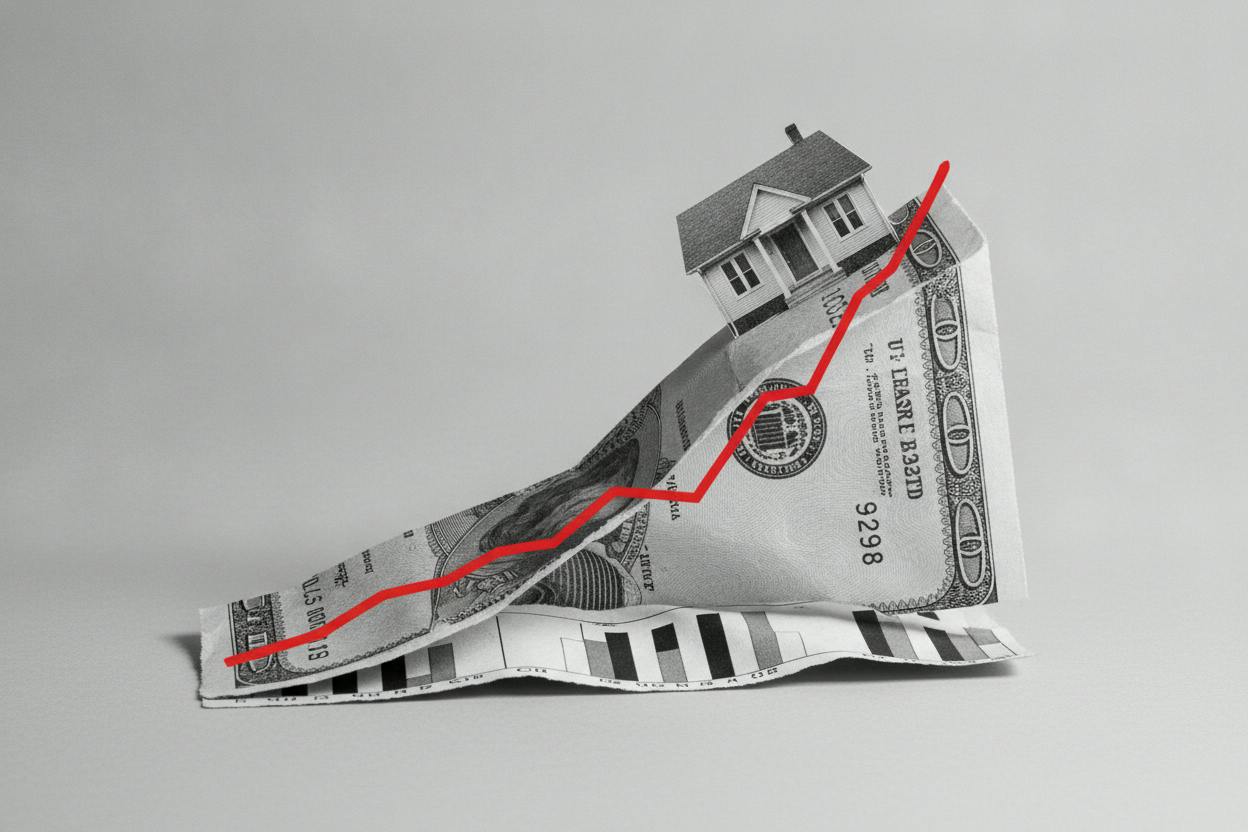
The Federal Housing Finance Agency (FHFA), the US regulator that oversees mortgage giants Fannie Mae and Freddie Mac, reported that its home price index rose 0.3% in July. That followed a flat reading in June and beat economists' expectations for a 0.1% increase. The S&P CoreLogic Case-Shiller national index, another closely watched measure, also edged up 0.1% in July before seasonal adjustment.
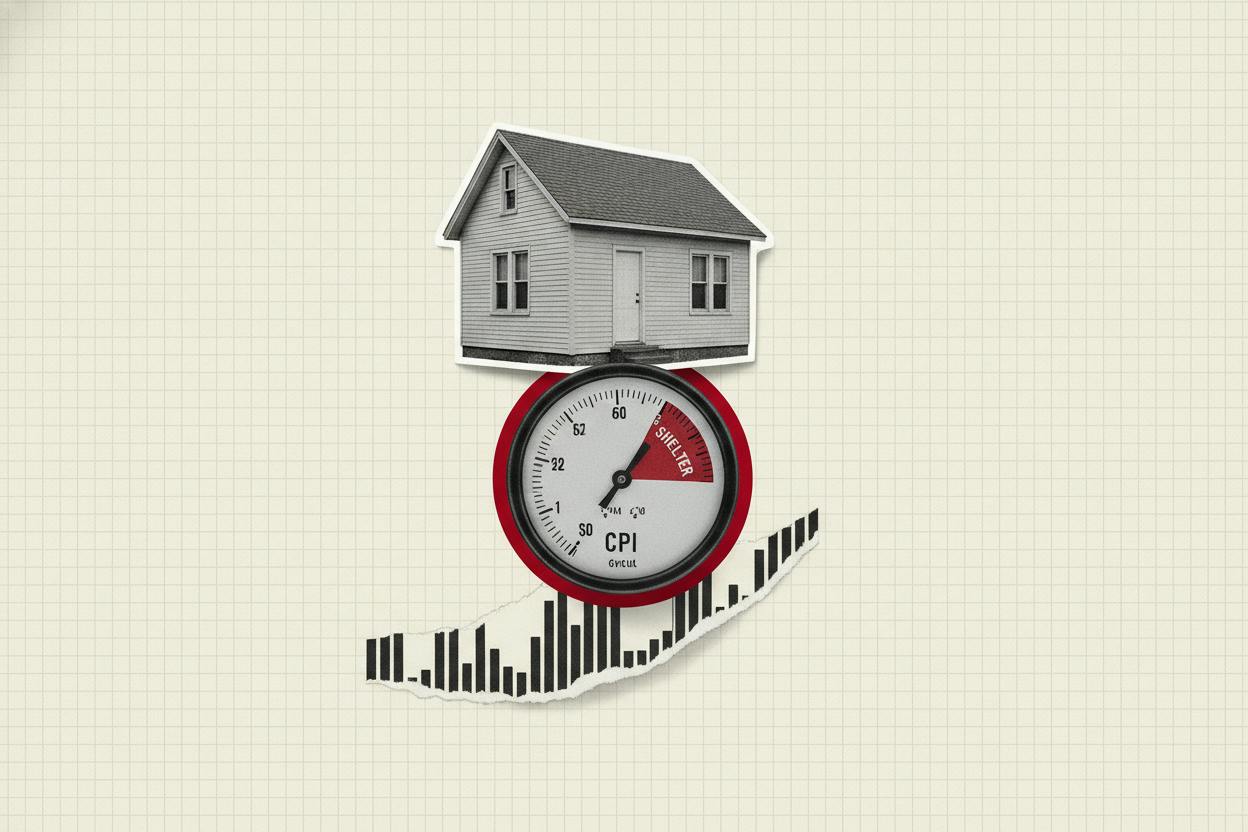
For everyday investors, the housing data matters because home prices are a key indicator of consumer wealth and spending. When home values rise, homeowners often feel richer and may spend more, which can support the broader economy. But persistently high prices also make it harder for first-time buyers to enter the market, and they can keep inflation pressures alive—something the Federal Reserve is watching closely as it sets interest rates.
Tech leads the premarket
Before the opening bell, futures tied to the tech-heavy Nasdaq outperformed, suggesting investors were in a risk-on mood for growth stocks. This comes amid a broader backdrop where AI optimism has returned to markets, though rising oil prices and elevated bond yields continue to cap gains.
One notable mover was Fair Isaac, the company behind the widely used FICO credit score. Its shares plunged 19% in premarket trading, a sharp drop that likely reflects company-specific news. While the brief doesn't detail the cause, such a steep decline can weigh on sentiment, especially if it drags down other financial-technology or data-analytics stocks.
What to watch next
Investors are also looking ahead to more clues on demand and hiring. With the Federal Reserve's next policy meeting approaching, any signs of a cooling labor market or softening consumer demand could influence the pace of future rate decisions. The housing data, while modest, adds to the picture of an economy that remains resilient but is facing headwinds from higher borrowing costs.
For those with money in the stock market, the takeaway is that the current environment is one of cautious optimism. Tech stocks are leading, but the rally is fragile, with oil prices and bond yields acting as a ceiling. Bond yields have hit multi-year highs, and that tends to pressure stocks, especially high-valuation growth names.
What it means for investors
For everyday investors, the key is to understand that home prices are still rising, but at a slower pace than in recent years. That's generally good news for homeowners and for the economy, but it also means the Fed may feel less pressure to cut rates soon. Higher rates make borrowing more expensive, which can affect everything from mortgages to corporate profits.
As for the stock market, the tech-led premarket suggests that investors are still willing to pay up for growth, but they're doing so selectively. The sharp drop in Fair Isaac is a reminder that individual stocks can be volatile, and that even well-known companies can see big moves on news.
In the coming days, watch for more economic data, including jobless claims and consumer confidence, which could provide further direction. Stocks have been steady as the 10-year Treasury yield hovers near 5.2%, and any surprise in the data could shift the balance.
Overall, the market's modest gains reflect a sense of stability, but not exuberance. Investors are balancing positive signals from housing and tech with the persistent pressures of inflation and high yields. As always, diversification and a long-term perspective remain the most reliable strategies for navigating such conditions.