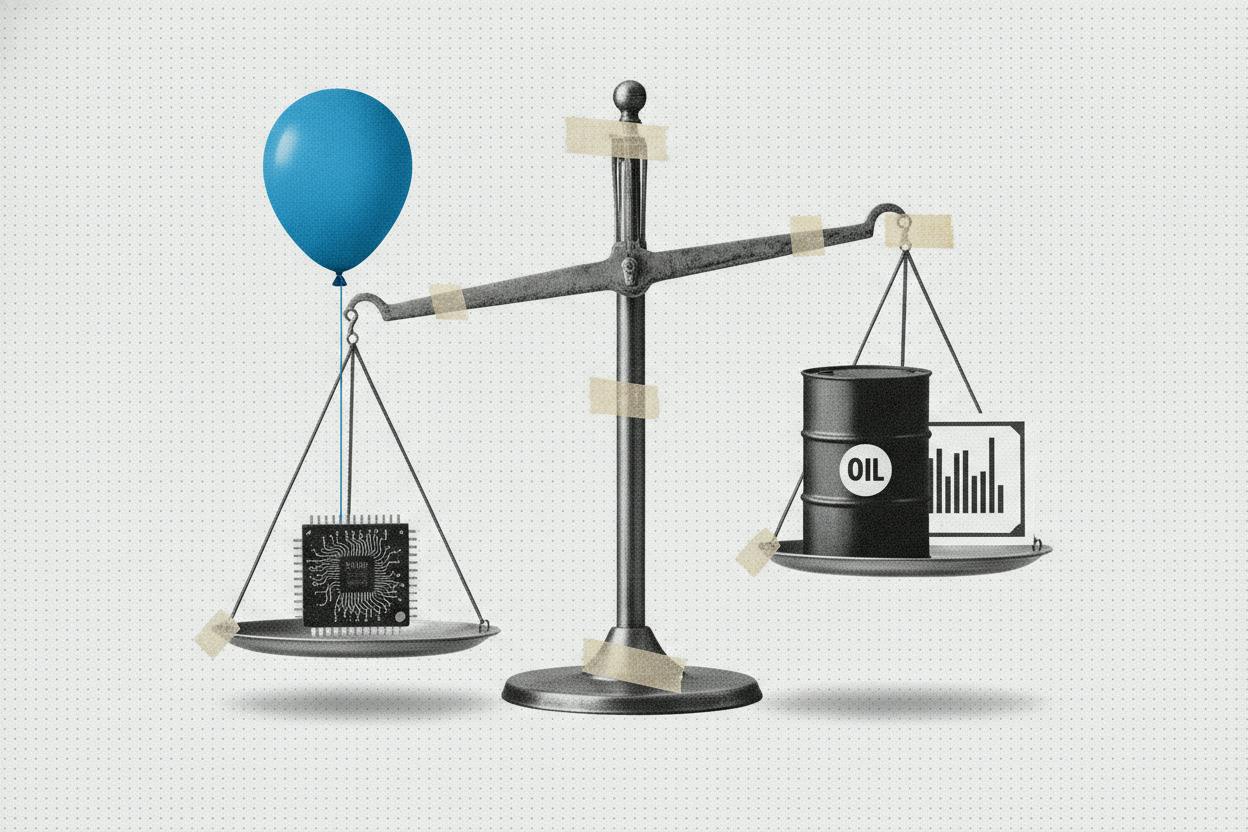
US stock futures edged higher on Tuesday as investors returned to artificial intelligence-related trades, buoyed by Anthropic's IPO filing that put AI valuations back in focus. However, gains were kept in check by persistent headwinds: oil prices hovering near $105 a barrel and 10-year Treasury yields near levels not seen since 2007.
The cautious tone reflects a market caught between optimism over AI's growth potential and worries about inflation and higher-for-longer interest rates. For everyday investors, this tug-of-war is likely to continue shaping daily market moves.
Anthropic's IPO filing reignites AI enthusiasm
Anthropic, a leading AI company, filed for an initial public offering, drawing renewed attention to the sector. The filing comes at a time when AI-related stocks have been volatile, with investors weighing the technology's long-term promise against high valuations and concerns about profitability.
The IPO filing is a reminder that AI remains a central theme in markets. Companies across the tech sector have been investing heavily in AI infrastructure and capabilities, and investors are keen to see how these bets translate into revenue growth. The filing also highlights the growing competition in the AI space, with major players like OpenAI and Google's DeepMind also vying for dominance.
For investors, the IPO could offer a new way to gain exposure to AI, but it also raises questions about valuations. As Anthropic's filing warns of 'existential' AI risks, it underscores the uncertainties that come with cutting-edge technology. Additionally, the company's founders will retain 50.1% voting control, a structure that may appeal to some investors but could also raise governance concerns.
Oil and yields: the twin drags on risk appetite
Oil prices near $105 a barrel are adding to inflationary pressures, which in turn keep central banks cautious about cutting interest rates. Higher energy costs feed into everything from gasoline prices to shipping and manufacturing, and they can quickly translate into higher consumer prices.
At the same time, 10-year Treasury yields are hovering near levels last seen in 2007. Rising yields make bonds more attractive relative to stocks, and they also increase borrowing costs for companies and consumers. This combination tends to weigh on equity valuations, particularly for growth stocks that rely on future earnings.
The situation is reminiscent of earlier this year when stocks steadied as the 10-year yield neared 5.2% and geopolitical tensions were high. Now, with oil near $105 and yields elevated, the market is facing a similar test.
What it means for investors
For the average investor, the key takeaway is that markets are likely to remain choppy. The AI trade offers opportunities, but it is not immune to broader macroeconomic pressures. When oil prices and bond yields rise, even the most promising sectors can see pullbacks.
Diversification remains a prudent strategy. While AI stocks may offer growth potential, having exposure to other sectors—such as energy, which benefits from higher oil prices, or defensive sectors like utilities—can help balance a portfolio. As oil's monthly surge has propped up Canadian stocks, it shows how energy can act as a hedge in certain environments.
Investors should also keep an eye on the bond market. If yields continue to climb, it could signal that the Federal Reserve will keep rates higher for longer, which would put further pressure on stocks. Conversely, any signs of easing inflation could provide relief.
Looking ahead
Market participants will be watching upcoming economic data and corporate earnings for clues about the health of the economy and the path of interest rates. The interplay between AI optimism and macro headwinds is likely to remain a central theme.
For now, the cautious advance in futures suggests that investors are willing to dip their toes back into riskier assets, but they are not diving in headfirst. The coming sessions will reveal whether the AI trade can sustain its momentum or whether oil and yields will once again take center stage.