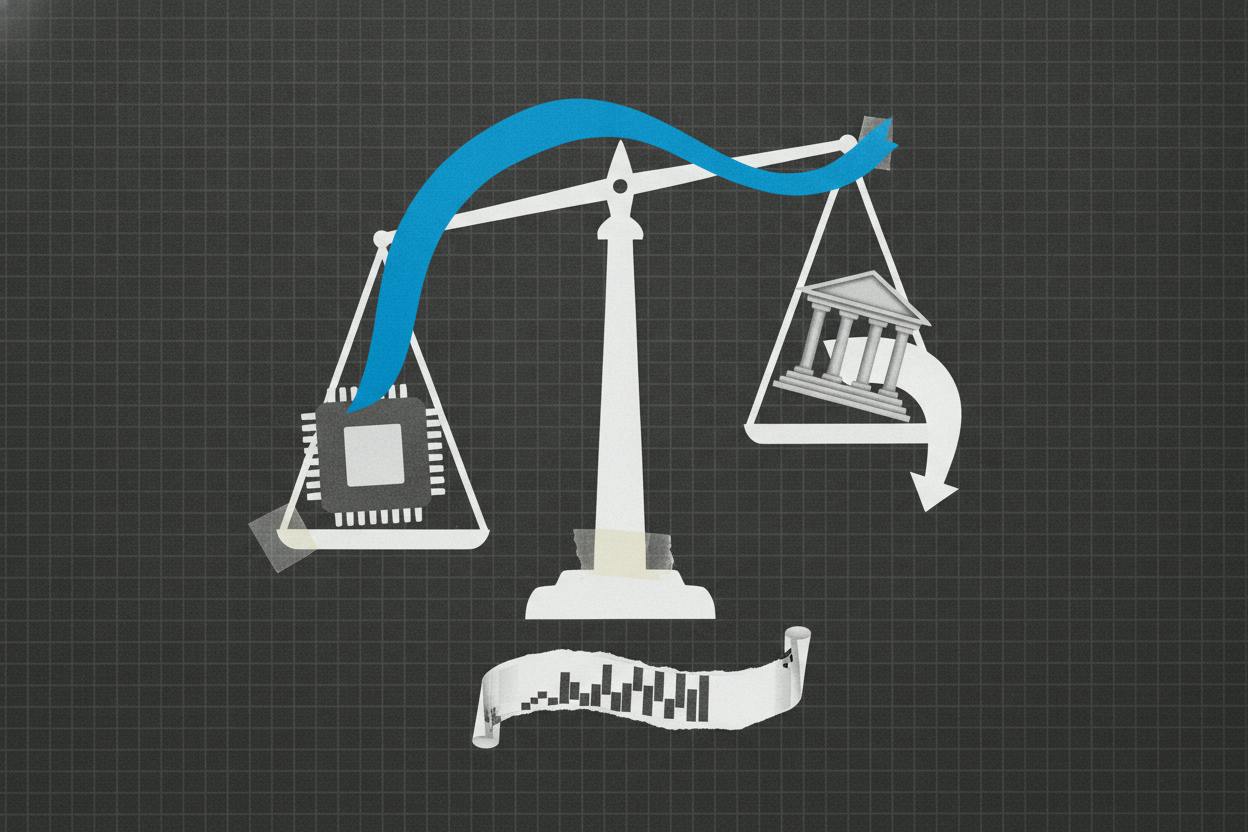
Inflation in the United States is still running hotter than the Federal Reserve would like, but the latest reading suggests the pace of price increases is cooling. That's prompting investors to rethink the odds of another interest rate hike as soon as next month.
The personal consumption expenditures (PCE) price index—the Fed's preferred inflation gauge—rose 3.4% in August from a year earlier, according to data released Friday. That was below the 3.7% that economists had expected. Core PCE, which strips out volatile food and energy prices, climbed 3% year over year, also coming in under the 3.3% forecast.
Why the PCE index matters
Unlike the better-known consumer price index (CPI), the PCE index casts a wider net. It includes spending on behalf of households by government programs like Medicare and Medicaid, as well as employer-paid healthcare premiums. It also adjusts more quickly when shoppers switch to cheaper alternatives—for example, trading down from name-brand cereal to store brands when prices rise.
Because the Fed uses PCE as its primary inflation yardstick, the data carries extra weight in shaping monetary policy. A cooler reading suggests the central bank's aggressive rate hikes over the past year are having their intended effect, even if inflation remains above the Fed's 2% target.
What it means for rate hikes
Heading into the report, markets were split on whether the Fed would raise rates again at its October meeting. The softer inflation numbers tilted the scales, with traders trimming bets on a hike. According to CME Group's FedWatch tool, the probability of a quarter-point increase in October fell to around 20% after the data, down from roughly 30% a day earlier.
That shift rippled through financial markets. Stocks edged higher as investors welcomed the prospect of a pause in rate increases. Treasury yields eased, and the dollar slipped against major currencies. Gold, which tends to benefit from lower rate expectations, also rose.
The cooler inflation data also provided a tailwind for Latin American markets, where investors often look to U.S. rate policy as a guide for their own central banks.
Still above target
Despite the better-than-expected numbers, inflation remains well above the Fed's 2% goal. Core PCE has been hovering around 3% for months, and the headline figure is still more than a percentage point above target. Fed officials have repeatedly stressed that they need to see a sustained trend toward 2% before they can consider cutting rates.
“One month of data isn't enough to declare victory,” said a senior economist at a major U.S. bank, speaking on condition of anonymity. “The Fed will want to see several more months of cooling before it feels comfortable.”
Investors will get another key data point next week with the release of the September jobs report. A strong labor market could give the Fed cover to hike again, while a weak one might reinforce the case for staying on hold.
What it means for your money
For everyday investors, the immediate takeaway is that the odds of another rate hike in October have fallen, but they haven't disappeared. That means borrowing costs—from mortgages to credit cards—are likely to stay elevated for a while longer, but the worst of the tightening may be behind us.
If the Fed does pause, it could provide some relief to stocks, especially growth and technology shares that are sensitive to interest rates. Bond investors, meanwhile, may see yields stabilize, which could make fixed-income investments more attractive after a rough stretch.
But it's important to keep perspective. Inflation is still running above the Fed's comfort zone, and the central bank has made clear it will do whatever it takes to bring prices under control. That means more volatility could be ahead, and investors should be prepared for the possibility of additional hikes if inflation proves stubborn.
As always, diversification and a long-term view remain the best defenses against market swings. Rather than trying to time the Fed's next move, focus on building a portfolio that can weather different economic scenarios.