Copper prices pushed higher on Tuesday as inventories on major metals exchanges kept sliding, while oil prices held their ground as traders weighed conflicting signals from the US and Iran. The moves highlight how supply dynamics and geopolitical headlines continue to drive commodity markets.
Copper's supply squeeze
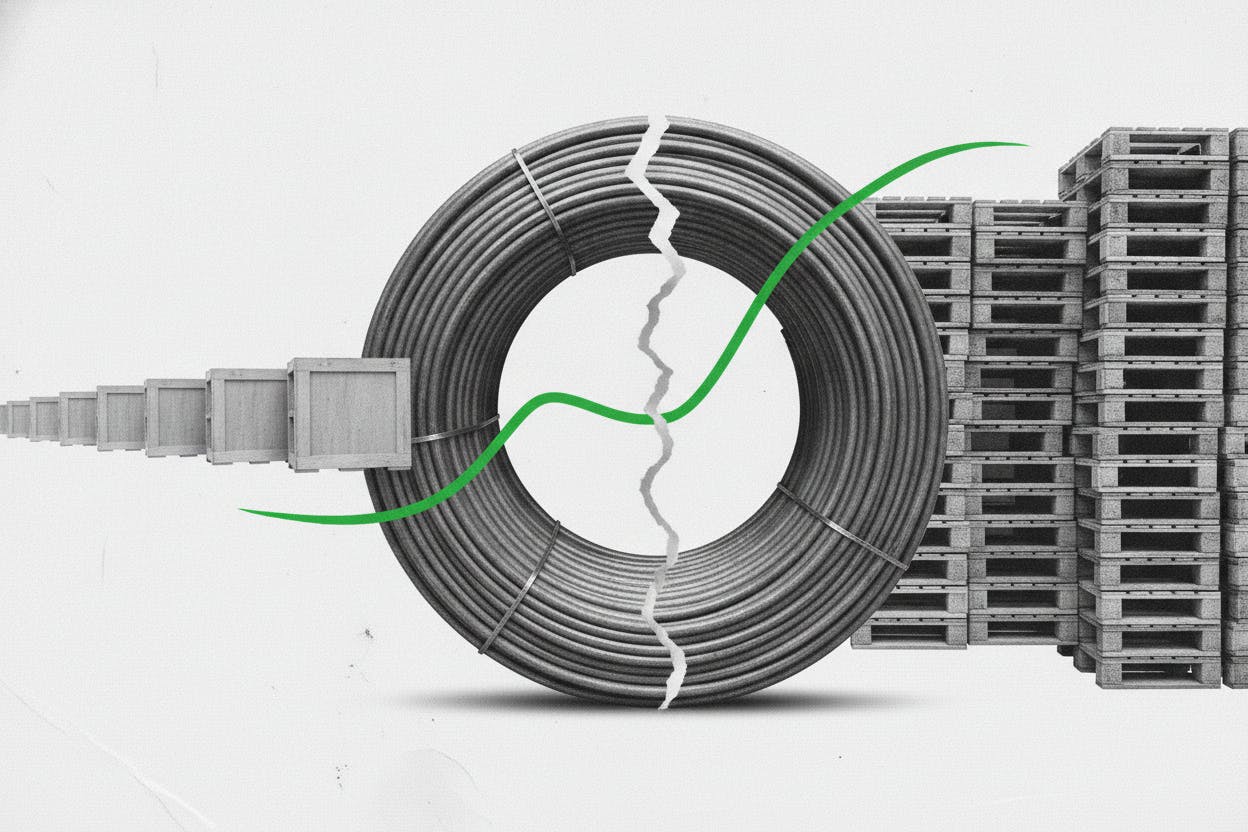
Copper's latest advance is tied to a sharp drawdown in stockpiles. Inventories registered with the London Metal Exchange (LME) have fallen to 244,025 metric tons, down from roughly 400,000 tons in April. On the Shanghai Futures Exchange (SHFE), stocks have dropped to about 69,300 tons from more than 430,000 tons in March.
These exchanges serve as the main delivery pools for many buyers outside the US. When inventories fall, it signals that demand is absorbing available supply, which can push prices higher. The magnitude of the decline—especially on the SHFE—has caught the attention of traders and analysts.
Copper is often seen as a bellwether for global economic health because it is used in everything from construction to electronics. A sustained drawdown in stocks can indicate robust industrial activity, though it can also reflect supply disruptions or logistical bottlenecks.
Oil treads water on Iran headlines
Oil prices, meanwhile, were little changed as traders digested a stream of mixed signals from the US and Iran. Reports about potential diplomatic progress or renewed tensions have kept the market guessing about the risk of supply disruptions in the Middle East.
Iran is a significant oil producer, and any escalation or de-escalation in tensions can quickly shift the supply outlook. The conflicting headlines have made it difficult for traders to price in a clear direction, leading to a sideways session.
For investors, the oil market's reaction underscores how geopolitical news can create short-term volatility, but longer-term trends in supply and demand remain the key drivers.
What it means for investors
For everyday investors, the copper move is a reminder that commodity prices can be influenced by inventory data as much as by macroeconomic headlines. Falling stockpiles can be a bullish signal for copper producers and related ETFs, but it's important to remember that prices can reverse quickly if demand weakens or supply returns.
Oil's steadiness, on the other hand, suggests that the market is waiting for more clarity on the Iran situation. Energy investors should watch for any concrete developments, as a sudden headline could trigger sharp moves.
Both commodities also reflect broader market sentiment. Copper's strength may be a positive sign for global growth, while oil's stability could help keep inflation expectations in check. As always, diversification remains a prudent strategy, and investors should avoid making impulsive decisions based on short-term commodity swings.
Looking ahead
Traders will be watching inventory data in the coming weeks to see if the drawdown in copper stocks continues. Any reversal could signal a shift in market dynamics. For oil, the focus will remain on US-Iran relations and any new sanctions or diplomatic moves.
In the meantime, the commodity complex offers a window into how supply and demand are evolving across the globe. For investors, staying informed about these trends can help in making more thoughtful portfolio decisions.