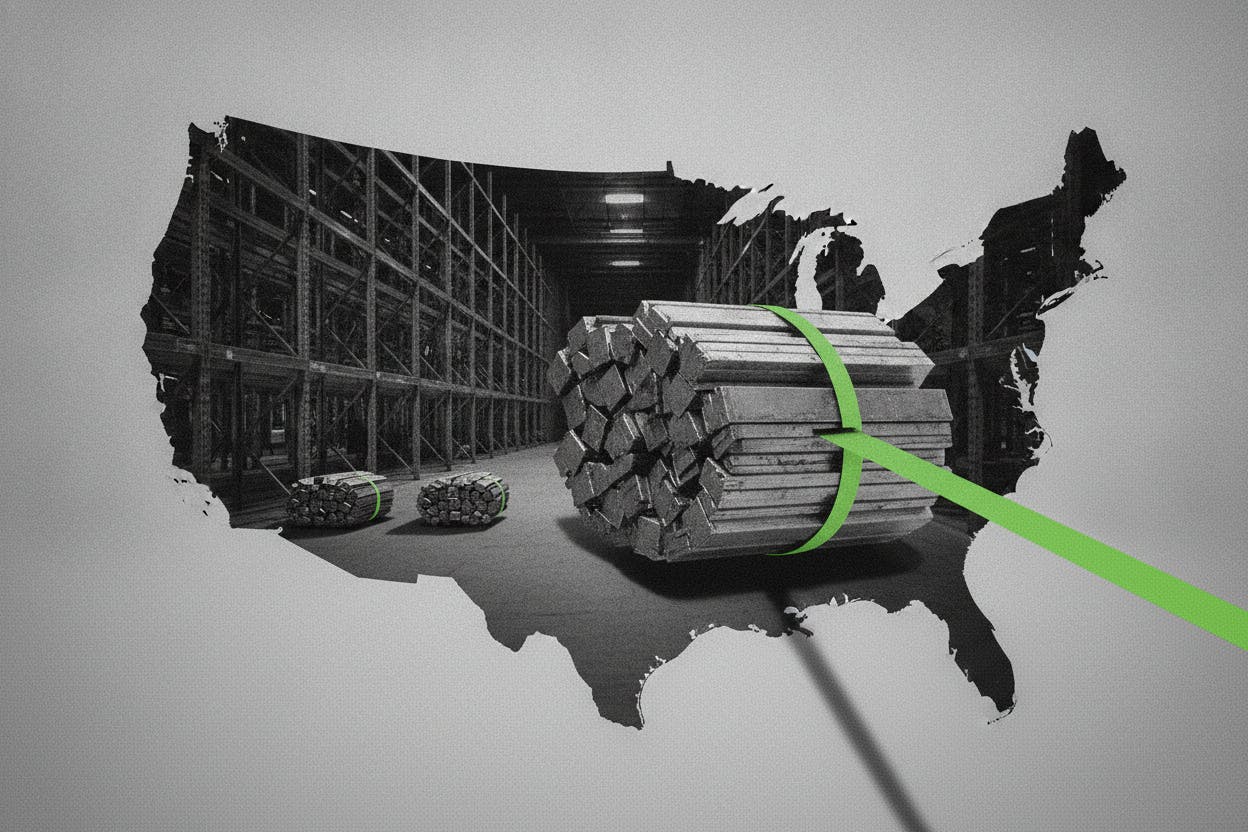
Copper prices have surged to a six-month high, driven by a combination of shrinking stockpiles on the London Metal Exchange (LME) and a wave of speculative trading. The rally reflects a broader shift in global metal flows as tariff uncertainty prompts traders to move copper toward the United States, where potential import duties could make supplies more expensive.
Why copper is moving to the US
The core of the story is simple: metal is leaving LME warehouses, which are primarily located in Europe and Asia, and heading to the US. This is happening because the US has threatened or imposed tariffs on a range of imports, including metals. If tariffs are applied to copper, bringing metal into the US before they take effect could be cheaper than doing so later. As a result, traders are repositioning inventories to avoid potential costs.
This dynamic has drained LME stockpiles, which are a key indicator of global supply. When inventories fall, it often signals tighter supply, which can push prices higher. The recent decline has been sharp enough to attract the attention of fast-money traders—hedge funds and other speculative investors who bet on short-term price moves. Their entry into the market has added momentum to the rally.
What this means for the broader market
The move in copper is part of a larger pattern of trade-related disruptions. The US has already doubled tariffs on Canadian auto imports and warned China over Iran, while Canada has retaliated with dollar-for-dollar tariffs. These actions have created an environment where commodity flows are increasingly shaped by policy rather than pure supply and demand.
For copper specifically, the metal is a bellwether for global economic health. It is used in everything from construction to electronics, so its price often reflects expectations for industrial activity. A six-month high could be read as a sign of optimism about demand, but the current rally is more about trade dynamics than a sudden surge in consumption.
What it means for investors
For everyday investors, the copper rally is a reminder that commodity prices can be influenced by factors beyond the underlying economy. Tariff policies, geopolitical tensions, and even the logistics of where metal is stored can create price swings that are not necessarily tied to fundamentals.
If you hold copper-related investments—such as shares in mining companies or exchange-traded funds that track the metal—this move could be positive in the short term. However, it is worth noting that fast-money traders can exit as quickly as they enter, and the rally could reverse if tariff expectations change or if stockpiles begin to rebuild.
Investors should also consider the broader context. Copper's rise comes amid falling US consumer confidence and rising inflation worries, which could eventually weigh on demand. Additionally, the threat of auto tariffs continues to loom over industrial sectors, which could affect copper demand indirectly.
Looking ahead
The key question is whether the tariff-driven flow of copper to the US will persist. If the US reaches trade deals with major partners, as some analysts suggest is possible by year-end, the incentive to hoard metal in the US could fade, and prices might settle back. On the other hand, if tariffs escalate, the dislocation could continue, keeping prices elevated.
For now, the market is watching LME inventory data closely. Any sign that stockpiles are stabilizing could cool the rally, while further declines might attract even more speculative interest. Copper's move is a clear example of how trade policy has become a dominant force in commodity markets, and investors should stay alert to policy headlines as much as to supply-demand fundamentals.



