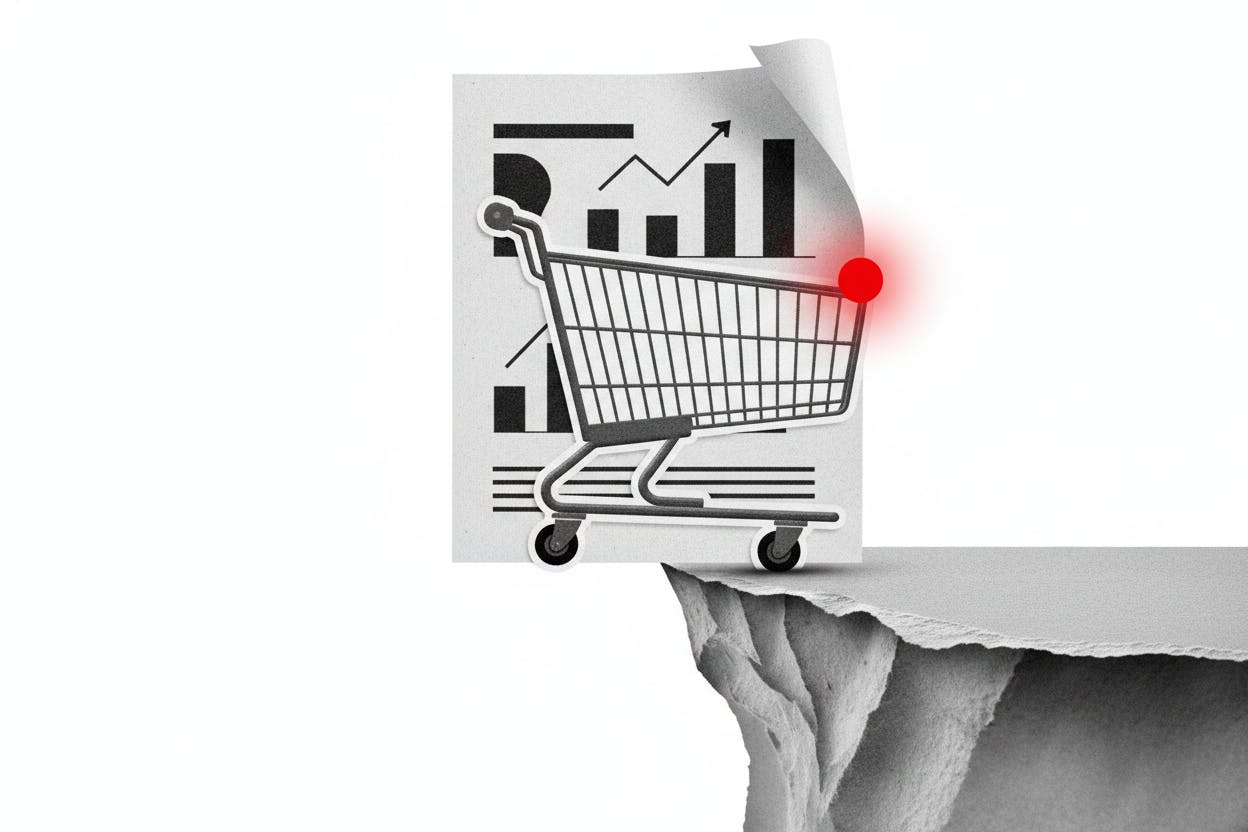
American consumers are feeling less optimistic about the economy. The Conference Board, a business research group, reported Tuesday that its consumer confidence index fell to 89.4 in August, the lowest reading since January. That's down from a revised 90.3 in July, and it marks the second straight monthly decline.
The drop was driven largely by a 7.8% slide in the expectations index, which measures how consumers view the next six months. At the same time, the present situation index—which gauges current conditions—actually improved for the first time in four months. That split is notable: it suggests households feel okay about today but are bracing for a tougher road ahead.
Why expectations matter
Economists pay close attention to the expectations component because it tends to be a leading indicator for big-ticket spending. When people are worried about their job security or the cost of living, they're less likely to buy a new car, upgrade their kitchen appliances, or book a vacation. Those purchases are often financed, so they depend on both a steady paycheck and manageable monthly payments.
The Conference Board's survey also showed that consumers expect inflation to rise to 5.8% over the next 12 months, up from 5.3% in July. That's a significant jump and suggests that the recent cooling in price increases hasn't fully eased household concerns. Higher inflation expectations can feed into actual spending behavior—if people think prices will keep climbing, they may rush to buy now, which can push prices up further.
This comes at a time when the Federal Reserve is trying to steer the economy toward a soft landing, where inflation cools without triggering a recession. The central bank has raised interest rates aggressively over the past couple of years, and those higher rates have made borrowing more expensive for everything from mortgages to credit cards. While inflation has moderated from its peak, it remains above the Fed's 2% target, and the latest confidence data suggests consumers are still feeling the pinch.
What this means for investors
For everyday investors, a drop in consumer confidence is a signal to watch, not necessarily a reason to panic. Consumer spending drives about two-thirds of U.S. economic activity, so if confidence continues to slide, it could weigh on corporate earnings, particularly for retailers, restaurants, and travel companies. Stocks in those sectors often react quickly to shifts in consumer sentiment.
However, it's important to keep perspective. Confidence surveys are just one piece of the puzzle. The labor market remains relatively strong, with unemployment still low by historical standards, and many households continue to spend. The fact that the present situation index improved suggests that consumers aren't in crisis mode—they're just more cautious about what's coming.
Investors should also watch how the bond market reacts. If inflation expectations keep rising, the Fed may be forced to keep interest rates higher for longer, which could pressure stock valuations and increase borrowing costs for companies. On the other hand, if the economy slows too much, the Fed might cut rates, which could boost bond prices and support stocks.
For those with a diversified portfolio, this kind of data is a reminder to stay balanced. No single indicator tells the whole story, and trying to time the market based on monthly surveys is rarely a winning strategy. Instead, focus on your long-term goals and make sure your asset allocation matches your risk tolerance.
Looking ahead
Investors will be watching upcoming data releases, including the next jobs report and inflation readings, to see whether the consumer mood stabilizes or deteriorates further. The Conference Board's next survey will also be closely scrutinized for any shift in expectations.
In the meantime, the latest confidence reading adds to a mixed picture of the U.S. economy. While some indicators point to resilience, others suggest that households are feeling the strain of higher prices and borrowing costs. For investors, the key takeaway is to stay informed and avoid overreacting to any single data point.
As always, it's wise to keep an eye on how these trends evolve. If consumer confidence continues to slide, it could signal broader economic weakness, which might affect everything from corporate profits to your own financial planning. But for now, the data is a caution flag, not a red alert.