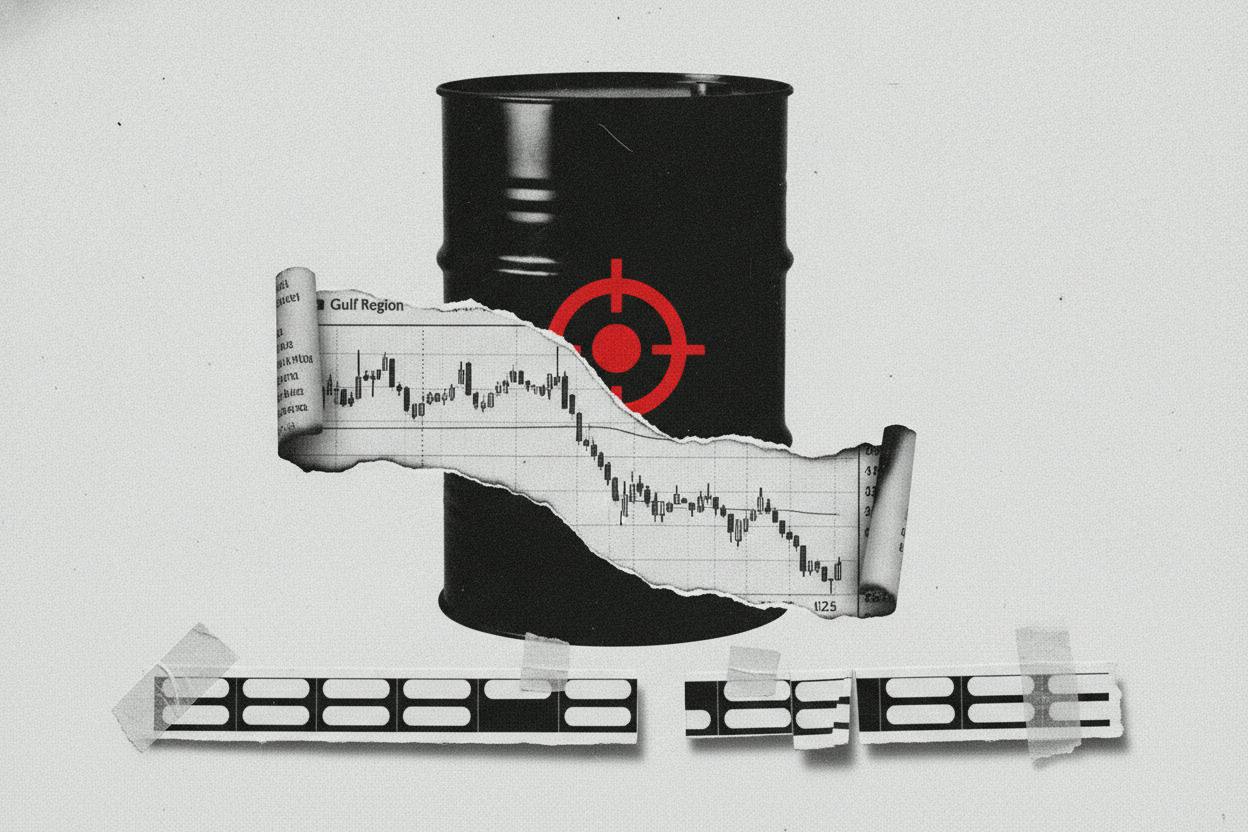
Copper prices are treading water, with three-month contracts on the London Metal Exchange (LME) hovering around $14,355 a metric ton. The market is caught between two forces: the possibility of US import tariffs on refined copper and signs that the physical market is already tight, especially for scrap in China.
For everyday investors, copper is more than just a metal—it's a bellwether for global economic health. When factories, builders, and utilities buy more copper, it often signals growth. When prices stall, it can mean uncertainty about demand or supply. Right now, the uncertainty is coming from Washington.
US stockpiles hit a record
The White House is deciding whether to slap tariffs on refined copper imports. That possibility has already changed behavior: US buyers are pulling imports forward and parking metal in exchange warehouses. As a result, copper inventories on COMEX—the main US metals exchange—have surged to a record 718,199 metric tons, up from just 87,241 tons in January 2025.
This stockpiling is a classic response to tariff threats. If tariffs are imposed, imported copper becomes more expensive, so buyers want to lock in supplies now. But it also means metal is being trapped in the US, which can distort prices.
Meanwhile, banks including Goldman Sachs point to a different problem in China: a shortage of copper scrap. Chinese smelters and manufacturers are being forced to rely more on refined metal, which can drain local inventories even when overall demand is soft.
So you have one region stockpiling while another scrambles for feedstock. That's a setup that can keep headline prices steady even as the plumbing of the market gets stressed.
What the COMEX–LME gap means
COMEX and the LME are both benchmark prices for copper, but they're tied to different warehousing and delivery systems. That means they can diverge when metal gets trapped in one place. If tariffs look possible, stocking up in the US can loosen the local deliverable supply for COMEX while the rest of the world prices copper off a different pool on the LME.
The result can be a wider, more volatile COMEX–LME spread. That complicates hedging for manufacturers and traders who buy physical copper in the US but use global benchmarks in contracts. In plain English: even if the global price looks calm, the US price you actually pay can get harder to predict.
For investors, this is a reminder that commodity prices aren't always what they seem. A flat headline number can hide significant stress underneath. If you're invested in companies that use copper—like wire and cable makers, electronics manufacturers, or construction firms—a wider spread could mean higher costs or more volatile input prices.
What to watch next
The key catalyst is the US tariff decision. If tariffs are imposed, expect more divergence between COMEX and LME prices, and possibly higher US copper prices. If tariffs are avoided, some of the stockpiled metal could be released, which might pressure prices.
Also watch China's scrap situation. If scrap supply remains tight, Chinese smelters will keep leaning on refined metal, which could support prices even if global demand is soft. That's a dynamic that has been supporting copper prices recently.
For context, copper prices have been volatile this year, with moves tied to everything from supply disruptions in Chile to broader market sentiment. The current standoff is just the latest chapter.
Investors should also keep an eye on the broader metals complex. If copper stays range-bound, it could signal that traders are waiting for more clarity on trade policy and global growth. That's a wait-and-see mood that often extends to other industrial metals.
In the meantime, the takeaway is simple: copper prices may look calm, but the market underneath is anything but. Tariff decisions and scrap shortages are pulling the market in different directions, and that tension could break one way or the other soon.