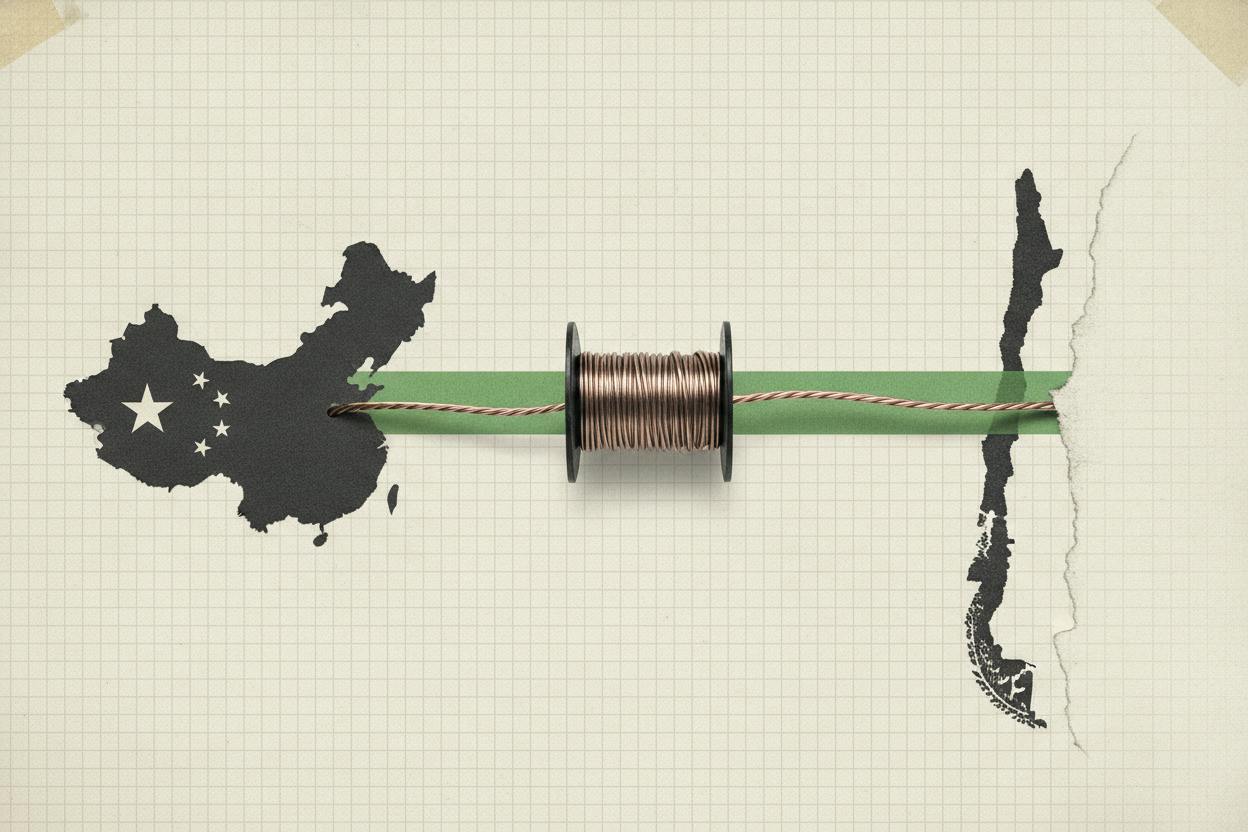
Copper prices regained their footing on Tuesday after a sharp pullback in the previous session, as fresh signs of tight physical supply met growing appetite for imported metal in China, the world's largest consumer of the red metal.
London Metal Exchange (LME) copper recovered most of its earlier drop, supported by two key developments: China's Yangshan import premium jumped to $125 a ton, its highest level since November 2022, and a strike at Antofagasta's Centinela mine in Chile threatened to disrupt output.
What is the Yangshan premium telling us?
The Yangshan premium is a fee that Chinese buyers pay on top of global copper prices to bring refined metal into the country. When this premium rises, it signals that buyers are willing to pay extra to secure shipments, often because local inventories are low or demand is strong.
At $125 a ton, the premium is at its highest in more than two years, a clear indication that Chinese buyers are feeling the pinch of scarce deliverable copper. This is not just about long-term demand for wiring, electronics, or electric vehicles; it is about the availability of physical metal right now.
"A high Yangshan premium is effectively China advertising that deliverable copper is scarce enough locally to justify paying extra to pull metal in from abroad," said one metals trader. "When that happens alongside a supply disruption, the market starts to price in a squeeze."
Strike threat at Centinela
Adding to the supply concerns, workers at Antofagasta's Centinela mine in Chile have gone on strike. The union has warned that November output could be cut in half, even as the company downplays the impact. Centinela is a significant copper producer, and any prolonged disruption could tighten global supply further.
Chile is the world's largest copper producer, and labour disputes there have historically had outsized effects on prices. The Centinela strike comes at a time when the market is already sensitive to supply risks, including reports that copper has been drawn into the United States ahead of possible tariffs on refined imports.
Those tariff concerns have encouraged shipments to the US, leaving inventories elsewhere thinner. Combined with the Chinese premium and the strike, the market is facing a "here and now" squeeze that tends to lift spot and near-term contracts more than longer-dated ones.
What it means for investors
For everyday investors, the key takeaway is that copper prices are not just about global economic growth or the green-energy transition. They are also about the physical availability of metal at any given moment. When supply tightens, the front end of the pricing curve—spot prices and near-term LME contracts—can strengthen relative to later delivery dates, a condition known as backwardation.
Backwardation can hurt traders and industrial users who rely on prompt supply, because rolling short-dated hedges and financing working inventories becomes more expensive when the nearest contracts are the priciest. For investors in copper miners or exchange-traded funds (ETFs) that track copper prices, a sustained backwardation could signal higher near-term prices, but it also reflects underlying supply stress.
Investors should also keep an eye on the broader commodity complex. Copper's rebound comes amid a mixed picture for raw materials, with palm oil prices snapping a losing streak and oil and gold gains pointing to a rebound in Australian shares. Meanwhile, copper's earlier bounce faded as dollar strength took over, highlighting the currency's influence on commodity prices.
For those with exposure to copper through mining stocks, such as Ivanhoe's Kamoa-Kakula operation, the current supply dynamics could support prices in the near term. However, the market remains sensitive to demand signals from China, where property-sector weakness has weighed on industrial metals demand in recent months.
What to watch next
Investors will be watching several factors in the coming days: the duration of the Centinela strike, any further moves in the Yangshan premium, and whether US tariff threats continue to divert copper shipments. Also on the radar are broader economic data from China, including manufacturing activity and import figures, which could influence demand expectations.
While the immediate picture points to tighter supply, copper prices remain vulnerable to swings in the US dollar and global risk sentiment. A stronger dollar makes dollar-priced metals more expensive for foreign buyers, which can cap gains.
For now, the market is paying a premium for "right now" metal, and that is a signal worth heeding.