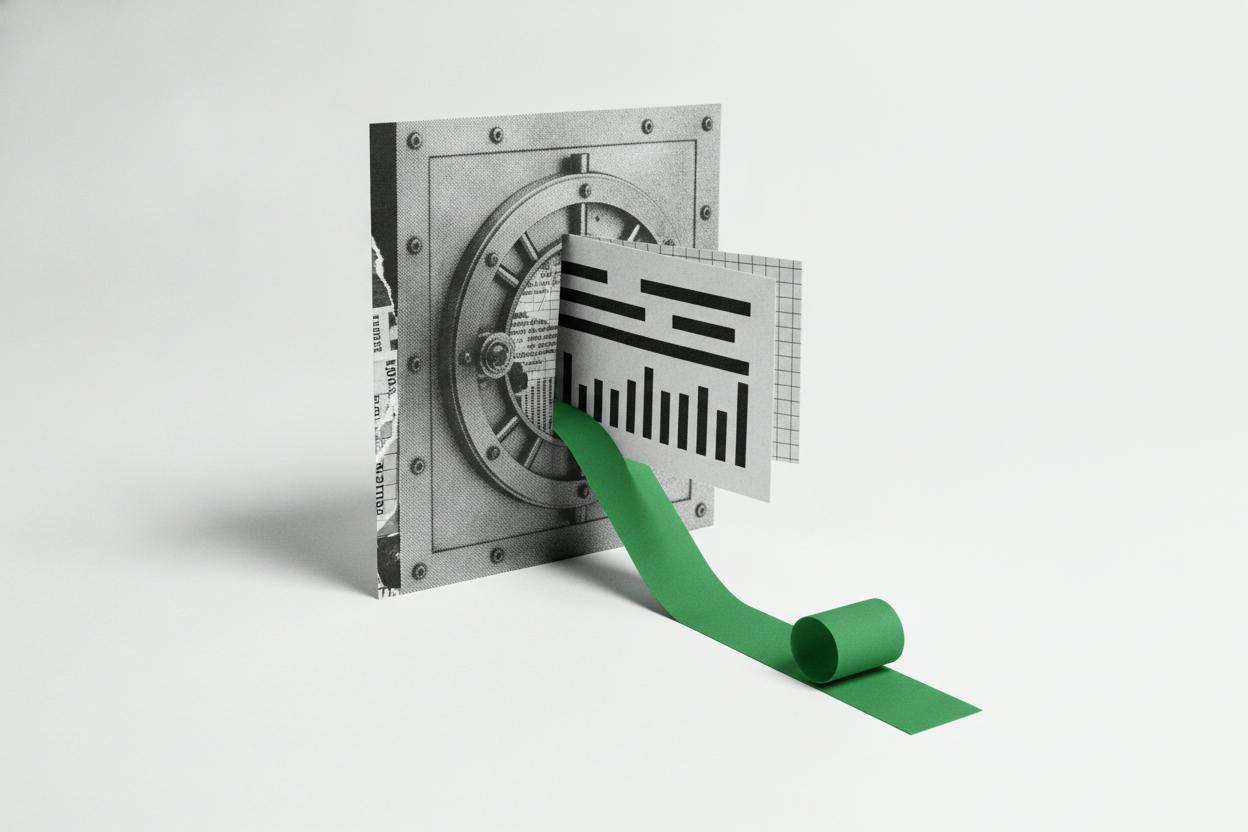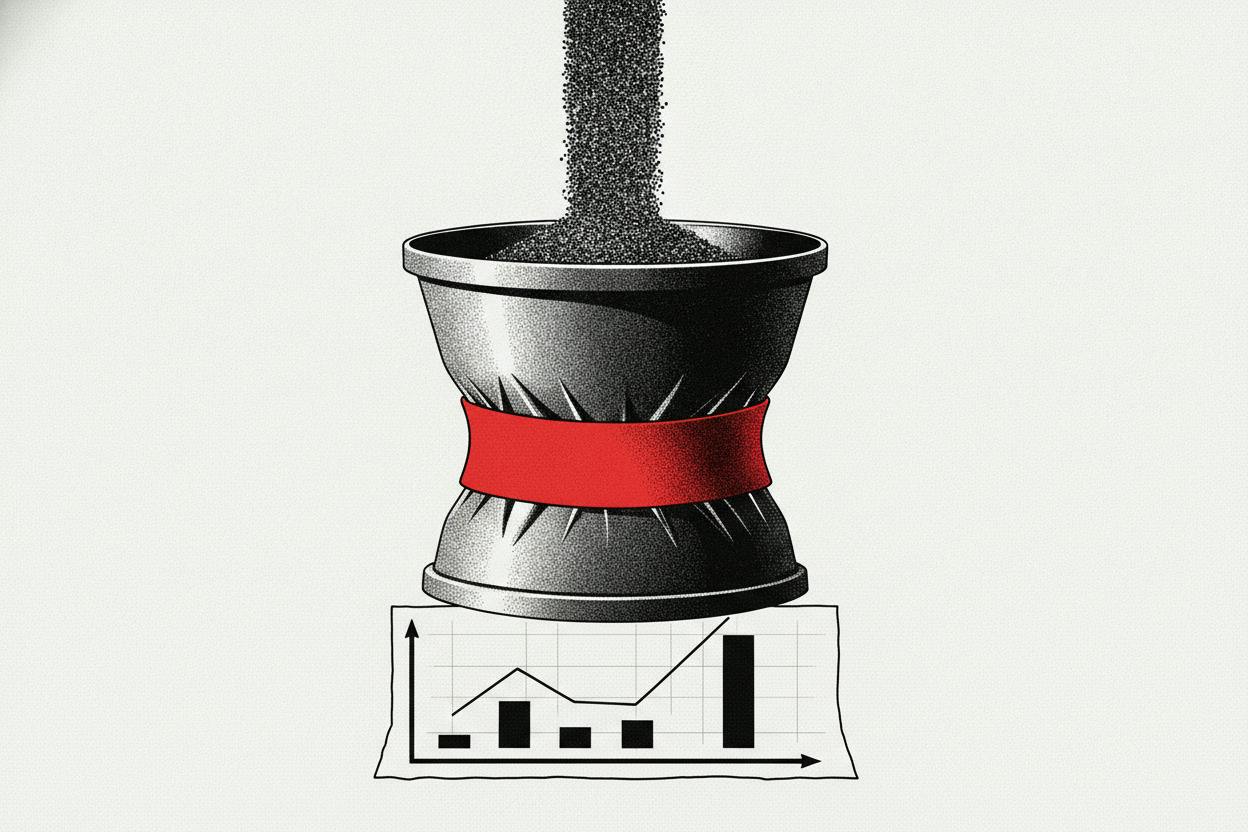
The copper industry is bracing for a historic shift: smelters that turn raw ore into refined metal may soon have to pay for the privilege. A Reuters poll of 35 industry participants found that most expect the 2027 benchmark “treatment charge” to turn negative, after the 2026 benchmark was already set at zero.
Treatment and refining charges are the fees that miners pay smelters to process copper concentrate into refined metal. When the benchmark drops below zero, the math flips: smelters effectively pay miners for scarce concentrate, squeezing their processing margins. This is not just a symbolic number—it reflects a market where there is too much smelting capacity chasing too little ore.
Why are charges turning negative?
The root cause is a supply-demand mismatch. Smelting capacity has grown faster than mine supply, pushing spot charges into negative territory and dragging the annual benchmark down with it. In other words, there are more smelters than there is concentrate to feed them, so smelters are competing fiercely for limited raw material.
This dynamic has been building for years. China, the world's largest copper smelter, has expanded its capacity aggressively, but mine output has not kept pace. As a result, the industry is now facing what some call a structural shortfall of concentrate.
At the World Copper Conference Asia in Shanghai, Nicholas Snowdon, an analyst at commodity trader Mercuria, said that more-negative charges could be a “healthier” way to force the supply chain to adjust. His point: if smelters are losing money, they will eventually cut output, which could rebalance the market.
China's industry body, the China Nonferrous Metals Industry Association, has also weighed in. It wants a capacity-monitoring mechanism to help smelters dial back output and restore charges to “sustainable levels.” That would be a significant step, as it would mark a coordinated effort to manage supply.
What the poll shows
The Reuters poll of 35 industry participants found that 21 expect a negative fixed benchmark for 2027, with estimates ranging from minus $50 to minus $150 per ton. That would be a dramatic departure from historical norms, where smelters were typically paid to process ore.
If the benchmark does turn negative, it would hand miners the leverage. Miners selling scarce feedstock would gain pricing power, while concentrate-fed smelters would see their margins squeezed first. The pain would show up unevenly across the industry.
What it means for investors
For investors, negative treatment charges are more than just an industry metric—they signal a shift in bargaining power along the copper supply chain. Smelters that have to pay for concentrate will likely try to defend cash flow by cutting run rates, postponing optional output, or being pickier about what they buy. That can tighten near-term supply of refined copper and lift physical premia, even if the original bottleneck is at the mine.
This could have ripple effects across the copper market. If smelters reduce output, refined copper supply could tighten, potentially supporting prices. But it also means that smelters themselves—especially those without their own mine supply—could face financial strain.
For everyday investors, the key takeaway is that the copper market is undergoing a structural adjustment. The days of easy processing margins may be over, and the industry is being forced to adapt. This could affect companies across the copper value chain, from miners to smelters to traders.
Related coverage: China's smelting capacity is nearing its limit as concentrate runs short, and copper shortages have already squeezed shorts in the market. Also, Sumitomo Metal Mining is expanding its copper output through Pacific Rim deals, and Zambia's ZCCM-IH has unveiled a $2.7 billion expansion plan.
As the industry watches the 2027 benchmark negotiations, the big question is how far charges will fall. A deeply negative benchmark would be a loud signal that the industry has built too much processing capacity relative to the amount of copper coming out of the ground. For now, the market is bracing for a new reality.