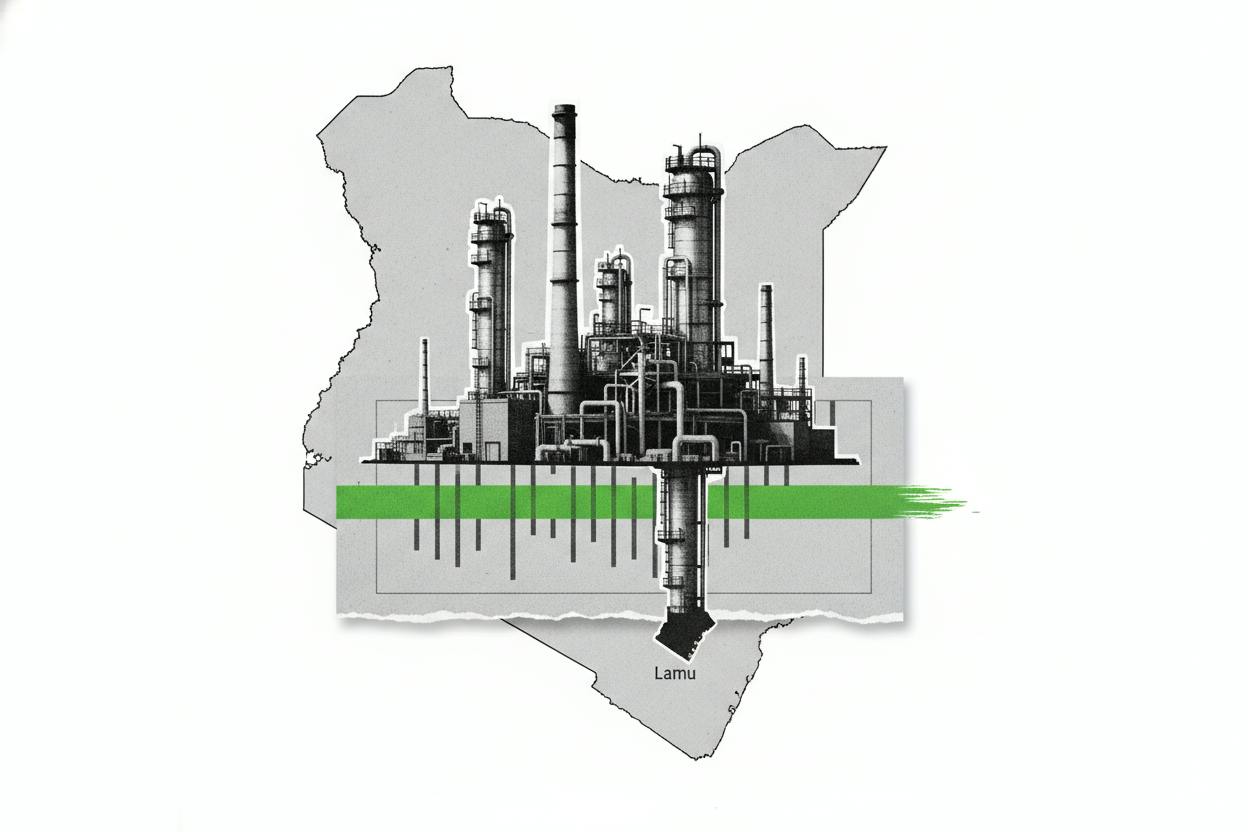
Kenya's government has confirmed it will take a stake in a massive new oil refinery planned by Aliko Dangote, Africa's richest man, and will let ordinary Kenyans buy into the project through the Nairobi Securities Exchange (NSE). The announcement marks a significant step for the proposed 700,000-barrels-a-day facility in the coastal town of Lamu.
A giant refinery for East Africa
Dangote Group, the Nigerian conglomerate led by Aliko Dangote, already operates one of the world's largest single-train refineries in Nigeria, with a capacity of 650,000 barrels per day. The Lamu project would be even bigger, aiming for 700,000 barrels a day, and would be a game-changer for East Africa, a region that currently relies heavily on imported refined fuels.
President William Ruto said the government will take a stake in the project, a move that signals strong state backing. More notably for everyday investors, the plan includes listing shares on the NSE, allowing Kenyans to participate directly in the refinery's ownership. This is a departure from typical large-scale infrastructure projects, which are often funded entirely by foreign investors or state-owned entities.
What this means for investors
For Kenyan retail investors, the prospect of buying shares in a Dangote refinery on the NSE is unusual and potentially attractive. Dangote's track record in Nigeria, where his refinery began operations in 2024, has made him a prominent figure in African energy. However, large refinery projects are complex, capital-intensive, and often face delays and cost overruns. Investors should weigh the potential long-term returns against the risks of construction timelines and global oil price volatility.
The government's stake could provide a layer of stability, but it also means the project is tied to political and fiscal considerations. For the NSE, a listing of this scale would be a major boost, potentially attracting both local and international investors looking for exposure to Africa's energy sector. It could also pave the way for similar public offerings in other infrastructure projects, as seen in other markets where governments use listings to fund development.
Broader context: Africa's refining push
Africa has long been a net importer of refined petroleum products, despite being a major crude oil producer. Refineries on the continent have often been underfunded or poorly maintained, leading to reliance on imports from Europe, the Middle East, and Asia. Dangote's Nigerian refinery was built to change that dynamic, and a Lamu facility would extend that ambition to East Africa.
Kenya currently imports most of its fuel, and a large domestic refinery could reduce import bills, create jobs, and improve energy security. However, the project faces significant hurdles, including environmental concerns in the Lamu region, which is ecologically sensitive, and the logistical challenge of building and operating a facility of this size in a relatively remote area.
The government's commitment to take a stake and list shares suggests a desire to spread both the benefits and the risks among the public. This approach has been used in other countries, such as Saudi Arabia's partial listing of oil giant Aramco, though with mixed results for retail investors.
What to watch next
Investors should watch for further details on the project's financing, timeline, and the specific structure of the NSE listing. Key questions include: How much of the refinery will be offered to the public? At what price? And what protections will be in place for minority shareholders?
Also important is the regulatory environment. Kenya's energy sector is undergoing reforms, and the government's role as both a stakeholder and regulator could create conflicts of interest. Transparency will be crucial to maintaining investor confidence.
For now, the announcement is a signal of intent rather than a done deal. Dangote Group has a history of ambitious projects, but not all have come to fruition on schedule. The Lamu refinery, if built, would be one of the largest industrial projects in East Africa, and the opportunity for everyday Kenyans to own a piece of it is a notable development in the region's capital markets.
As with any major infrastructure investment, potential investors should do their own research and consider the long-term horizon. The refinery could take years to build and begin producing, and oil prices are notoriously cyclical. But for those willing to take on that risk, it offers a rare chance to participate in a transformative national project.