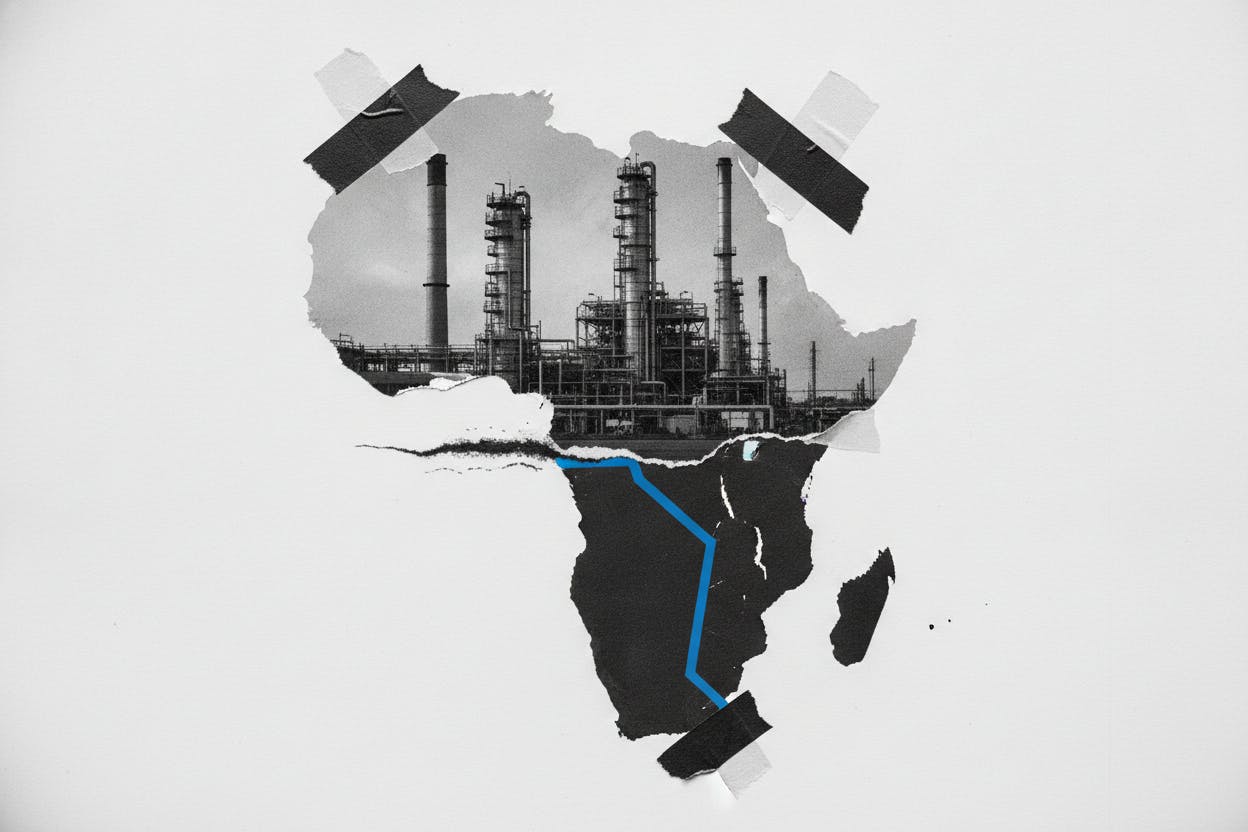
Africa's richest man, Aliko Dangote, is preparing to take his massive oil refinery public, and the listing could eventually reach two different stock exchanges. The $5 billion initial public offering (IPO) is expected to launch first in Nigeria, but South Africa's Johannesburg Stock Exchange (JSE) says it has been in talks with Dangote Group and sees a strong chance of a secondary listing there later.
An IPO is when a private company sells shares to the public for the first time, raising money from investors. For a project as large as the Dangote refinery, a public listing is a way to bring in outside capital and give everyday investors a chance to own a piece of one of Africa's most ambitious industrial projects.
What we know about the listing plan
The JSE told Reuters that it expects Dangote to list in Nigeria first, with what it called "strong intent" to add a South African listing afterward. Reuters also reported that Dangote is targeting a $5 billion raise and has made a preliminary filing with Nigeria's market regulator. Sources have pointed to an October IPO, though no official date has been confirmed.
The refinery, located in Nigeria, is designed to process crude oil into fuel and other products. It has been a long-running project for Dangote, who has invested heavily in the facility. A listing of this size would be a landmark event for African markets, potentially becoming the continent's largest IPO in years.
If the JSE listing goes ahead, it would give South African investors—both institutional and retail—a way to buy into the refinery without having to trade on the Nigerian exchange. That could be attractive because the JSE is one of the most developed and liquid stock markets in Africa, with a large base of pension funds and other big investors.
Why a second listing matters
Companies often choose to list on multiple exchanges to reach a wider pool of investors. For Dangote, a JSE listing would tap into South Africa's deep capital markets, which are far larger than Nigeria's. It could also make the stock more accessible to international investors who are more comfortable trading on the JSE.
The move would follow a pattern seen elsewhere in Africa, where companies list on both their home exchange and a larger regional hub. For example, some firms have sought listings in Johannesburg to gain credibility and liquidity. The JSE has been actively courting African companies, much like it has done with other cross-border listings.
This is not the first time the JSE has tried to attract a big African name. The exchange has been working to position itself as a gateway for African capital, and a Dangote listing would be a major win. It would also come at a time when South Africa's economy is showing only modest growth, as recent data on the country's private sector suggests.
What it means for investors
For everyday investors, the key question is whether they can get access to the IPO. If the listing starts in Nigeria, investors in other countries may find it harder to participate. A JSE listing would change that, making it easier for South Africans and others to buy shares through their local brokers.
But IPOs come with risks. The refinery is a massive, capital-intensive project, and oil prices have been volatile. The success of the refinery will depend on its ability to produce fuel efficiently and compete with imports. Investors should also consider that the company is closely tied to the Dangote family, which could affect corporate governance.
For those watching from the sidelines, the IPO is a signal of confidence in Africa's energy sector. It also highlights the growing interest in African infrastructure projects from global investors. If the listing succeeds, it could pave the way for more large-scale IPOs on the continent.
As with any investment, it's important to do your own research and understand the risks. An IPO of this size will attract a lot of attention, but that doesn't mean it's right for everyone. The refinery's performance will be tied to global oil markets, which can be unpredictable.
For now, investors will be watching for the official filing and any updates on the timeline. The JSE's comments suggest that a dual listing is a real possibility, but nothing is guaranteed until the company makes a formal announcement.
In the meantime, the news adds to a busy period for African markets, with other developments like Glencore's pitch to Australian investors and Nairobi's plans for an AI ETF showing how exchanges are competing for attention.
For South Africa, a Dangote listing could be a boost for the JSE, which has seen a slowdown in new listings in recent years. It would also give local investors a chance to own a piece of a project that could reshape the region's energy landscape.