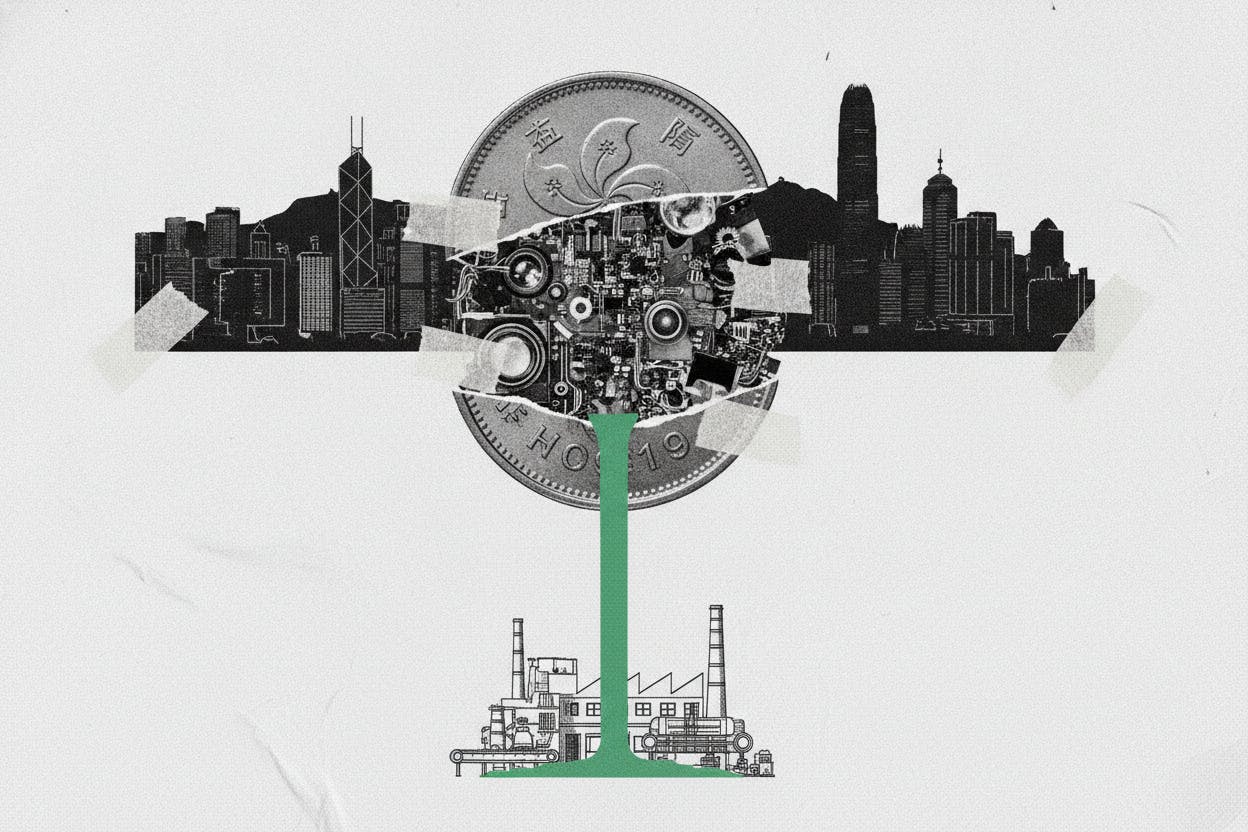
DeepSeek, the Chinese AI startup that made waves by offering ultra-cheap AI models, has told users it is raising prices "substantially" across its services. The move is a notable departure from the company's founding strategy of undercutting US rivals on cost, and it could give American AI firms some breathing room in a fiercely competitive market.
What's happening
DeepSeek's price hike applies to all its AI services, though the company did not specify exact new rates. The startup first grabbed global attention in early 2025 when it released models that performed at levels comparable to leading US systems but at a fraction of the cost. Its V4 Pro, for example, is currently about 25 times cheaper to run than Anthropic's flagship Fable 5 model.
That aggressive pricing helped DeepSeek win widespread adoption, especially among developers and businesses looking for affordable AI tools. It also put pressure on American companies like OpenAI, Anthropic, and Google to either slash their own prices or justify their premium costs.
Why the change now?
Raising prices could signal that DeepSeek is shifting its strategy from buying market share at any cost to focusing on profitability. Building and running large AI models is expensive, and sustained ultra-low pricing may not be sustainable in the long run. By raising prices, DeepSeek might be looking to improve its margins while still offering competitive rates.
The move could also reflect a broader shift in China's AI approach. As US-China tensions rise, Chinese tech firms are under pressure to balance innovation with self-reliance and commercial viability. DeepSeek's price hike might be an early sign that Chinese AI companies are moving away from a pure price war and toward more sustainable business models.
What it means for US AI companies
For American AI firms, DeepSeek's price increase could ease some of the competitive pressure they've faced. If the Chinese startup is no longer undercutting everyone by a wide margin, US companies may have more room to maintain their pricing and invest in further research and development. That could be welcome news for investors who have worried about a race to the bottom in AI pricing.
However, the reprieve may be temporary. DeepSeek's prices are still likely to be lower than many US rivals, and the company could always reverse course if it wants to regain market share. The broader trend of falling AI costs is unlikely to reverse entirely.
What it means for investors
For everyday investors, this news is a reminder that the AI landscape is still in flux. Companies that rely on selling AI services—whether they are startups or established tech giants—face constant pressure to innovate and keep costs down. Price changes like this can affect revenue and profit margins, which in turn can move stock prices.
Investors should watch how US AI companies respond. If they hold their prices steady, that could be a positive sign for their margins. If they cut prices to compete, that could squeeze profits. Either way, the AI sector remains highly competitive and sensitive to shifts in pricing strategy.
DeepSeek's move also highlights the importance of keeping an eye on Chinese tech companies, which can have a global impact. As AI chip selloffs have shown, developments in the sector can ripple through markets worldwide.
The bigger picture
DeepSeek's price hike is just one data point in a rapidly evolving industry. The company's initial low-cost strategy helped democratize access to advanced AI, but it also raised questions about how sustainable such pricing could be. Now, with prices going up, the market is adjusting to a new reality.
For now, US AI companies have a bit more breathing room. But the underlying competition—and the pressure to deliver powerful AI at reasonable prices—isn't going away. Investors should stay informed and consider how these dynamics might affect their portfolios.