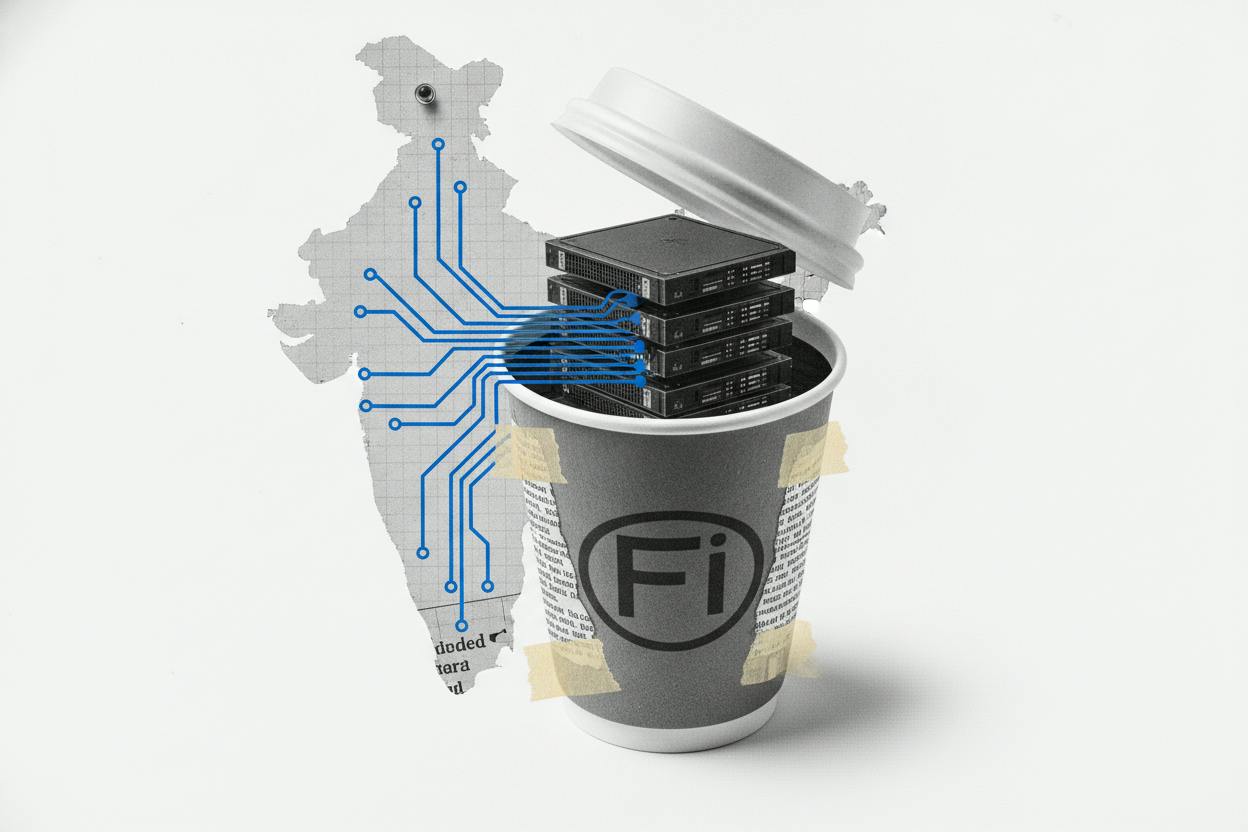
Coffee giant Starbucks is expanding its technology footprint in India with a new global capability center (GCC) in Chennai, according to Tamil Nadu's state government. The company says it plans to hire around 800 technology professionals at the hub, which will handle a range of tech functions for the global business.
The announcement is part of a broader trend: multinational companies are increasingly setting up GCCs in India not just for routine back-office work, but for core technology development, data analytics, and product engineering. Chennai, already a major hub for such centers, is seeing intense competition for skilled tech talent.
What is a global capability center?
A GCC is a company-owned offshore unit that provides services to the parent firm—everything from IT support and software development to finance, human resources, and research. Unlike traditional outsourcing, where work is handed to a third-party vendor, a GCC is run directly by the company, giving it more control over quality, data, and intellectual property.
Chennai has long been a stronghold for GCCs. The city already hosts tech teams for major financial institutions like Citi, Barclays, and American Express. According to Tamil Nadu's government, Chennai is home to roughly a tenth of all GCCs in India, making it one of the country's most important tech hubs.
The Starbucks announcement comes just days after Walgreens signed a similar pact with the state, underscoring how crowded the local hiring race is getting. With so many global firms vying for the same pool of engineers and data scientists, salaries and perks are likely to keep rising.
Why India, why now?
India has become a global favorite for setting up capability centers because of its large, English-speaking workforce, strong engineering colleges, and relatively lower labor costs compared to the US or Europe. But the nature of work has evolved. Earlier, GCCs were often limited to support functions like call centers or data entry. Today, they are increasingly involved in cutting-edge areas like artificial intelligence, cloud computing, and cybersecurity.
For Starbucks, which operates thousands of stores worldwide, a dedicated tech hub in India could help it build digital tools for everything from mobile ordering to supply chain management. The company has been investing heavily in technology to improve customer experience and operational efficiency.
This move also aligns with a broader push by many multinationals to diversify their tech operations beyond traditional centers like China, partly due to geopolitical tensions and partly to tap into India's vast talent pool.
What it means for investors
For everyday investors, this news is a signal about where global companies are directing their technology spending. When a consumer brand like Starbucks opens a tech hub, it's not just about coffee—it's about building long-term digital capabilities that can drive growth and efficiency.
From a market perspective, the expansion of GCCs in India is a positive indicator for the country's economy. It means more high-paying jobs, higher domestic consumption, and a stronger tech ecosystem. That could benefit Indian IT services companies and the broader stock market, though it also means more competition for local tech talent.
For Starbucks shareholders, the Chennai hub is a sign that the company is serious about using technology to stay competitive. However, investors should note that such centers take time to become productive, and the initial costs—hiring, training, infrastructure—will weigh on near-term expenses.
The move also highlights the growing importance of India as a market and a talent base. Starbucks has been expanding its store count in India, and a local tech hub could help tailor its digital offerings to Indian consumers, who are increasingly ordering via mobile apps.
That said, the hiring race in Chennai is fierce. With Walgreens and other firms setting up similar centers, Starbucks will need to offer competitive compensation and a compelling work culture to attract top talent. For investors, the key question is whether these investments will pay off in the form of better margins and faster innovation down the line.
In the short term, the announcement is unlikely to move Starbucks' stock much—it's a long-term strategic play. But it's a reminder that the world's biggest companies are betting on India's tech workforce to power their digital futures.
For those watching the broader trend, the Starbucks news fits into a larger pattern of global firms deepening their India presence, from chipmaking partnerships to digital payments expansions. India is no longer just a back-office destination—it's becoming a core part of the global tech supply chain.
As more companies follow suit, expect to see continued growth in India's GCC sector, which could have ripple effects on everything from real estate in tech hubs to the country's startup ecosystem. For investors, keeping an eye on which companies are building durable tech capabilities in India could offer clues about their long-term competitiveness.