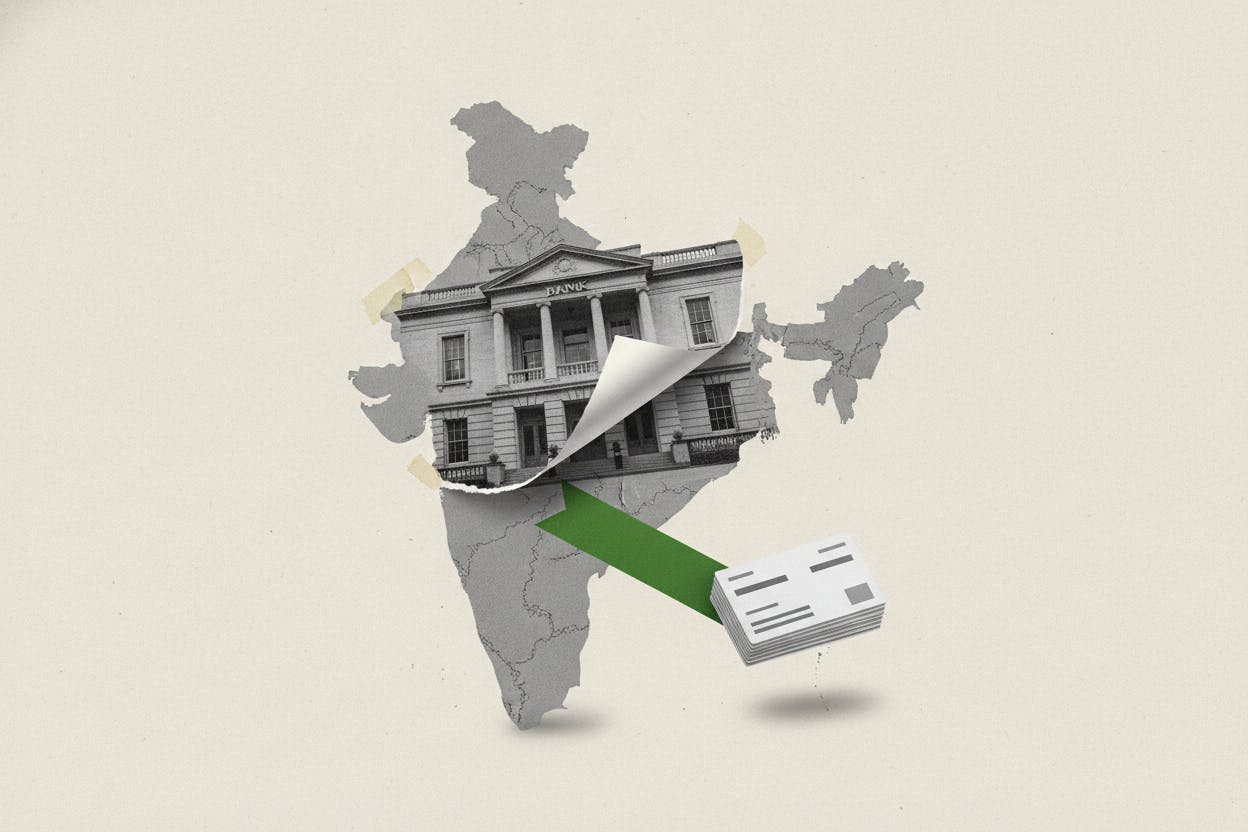
Deutsche Bank is selling its retail banking and wealth management business in India to Kotak Mahindra Bank, one of several large transactions highlighted in Reuters’ latest deals round-up. The move reflects a broader trend of companies reshaping their portfolios and capital allocation.
What's happening
For Deutsche Bank, the sale is a simplification play. Retail and wealth operations can be operationally heavy, with lots of staff, branches, and regulatory work, and they can tie up capital that could earn more elsewhere. By shrinking its footprint in India, the German lender says it can streamline operations and redeploy resources into businesses that scale more easily across markets.
For Kotak, one of India’s largest private-sector banks, the deal brings in customers and assets that can deepen relationships and add more fee income from wealth products. The transaction fits a broader pattern in which companies are reshuffling portfolios and capital: in the same Reuters compilation, Barclays agreed to buy a 999-year leasehold interest in its Canary Wharf headquarters for £750 million, Adani Ports said it would sell MSC Group a 49% stake in its Vizhinjam port for $1.4 billion, and data center operator Digital Realty said it would pay $3.5 billion to increase its stake in three Northern Virginia data centers from Blackstone, a global asset manager.
Why it matters for investors
Investors tend to judge banks on how efficiently they turn shareholder capital into profits. When Deutsche talks about “streamlining” and “redeploying capital,” it’s really saying it wants less management time and balance-sheet capacity tied up in branch-led banking, and more pointed at areas where growth doesn’t require the same infrastructure. That’s the key read-through: not the one-off gain from the sale, but whether a simpler, tighter group can sustain a better medium-term return profile.
For Kotak, the payoff is different: if it can keep the new customers and cross-sell wealth services, the bank’s earnings mix can lean more toward steady deposits and recurring fees, which markets often view as more resilient than pure lending income. This is especially relevant in the context of India’s broader financial landscape, where the Reserve Bank of India has warned about AI cyber threats and bad loans remain below 2% (see RBI Warns AI Cyber Threats Top Risk List as India's Bad Loans Stay Below 2%).
Broader market context
The deal also comes amid a period of active portfolio reshuffling by global companies. Barclays’ purchase of its Canary Wharf headquarters leasehold is a bet on long-term occupancy cost savings, while Adani Ports’ sale of a stake in its Vizhinjam port to MSC Group reflects a strategy of monetizing infrastructure assets. Digital Realty’s increased stake in Northern Virginia data centers from Blackstone underscores the growing demand for data center capacity driven by cloud computing and AI.
For investors, these transactions highlight a common theme: companies are increasingly focused on capital efficiency and strategic focus. Deutsche Bank’s exit from retail banking in India is a clear example of a bank narrowing its scope to improve returns. Meanwhile, Kotak’s acquisition is a bet on the resilience of fee-based income in a growing economy like India, where the rupee recently posted its first quarterly gain since March 2025 (see India's Rupee Posts First Quarterly Gain Since March 2025 on Cheaper Oil and Dollar Inflows).
What to watch next
Investors will be watching whether Deutsche Bank can deliver on its promise of higher returns from a simpler structure. For Kotak, the focus will be on how well it integrates the new customers and assets, and whether it can cross-sell wealth services effectively. The broader trend of portfolio reshuffling is likely to continue as companies seek to optimize their capital allocation in a world of higher interest rates and geopolitical uncertainty.