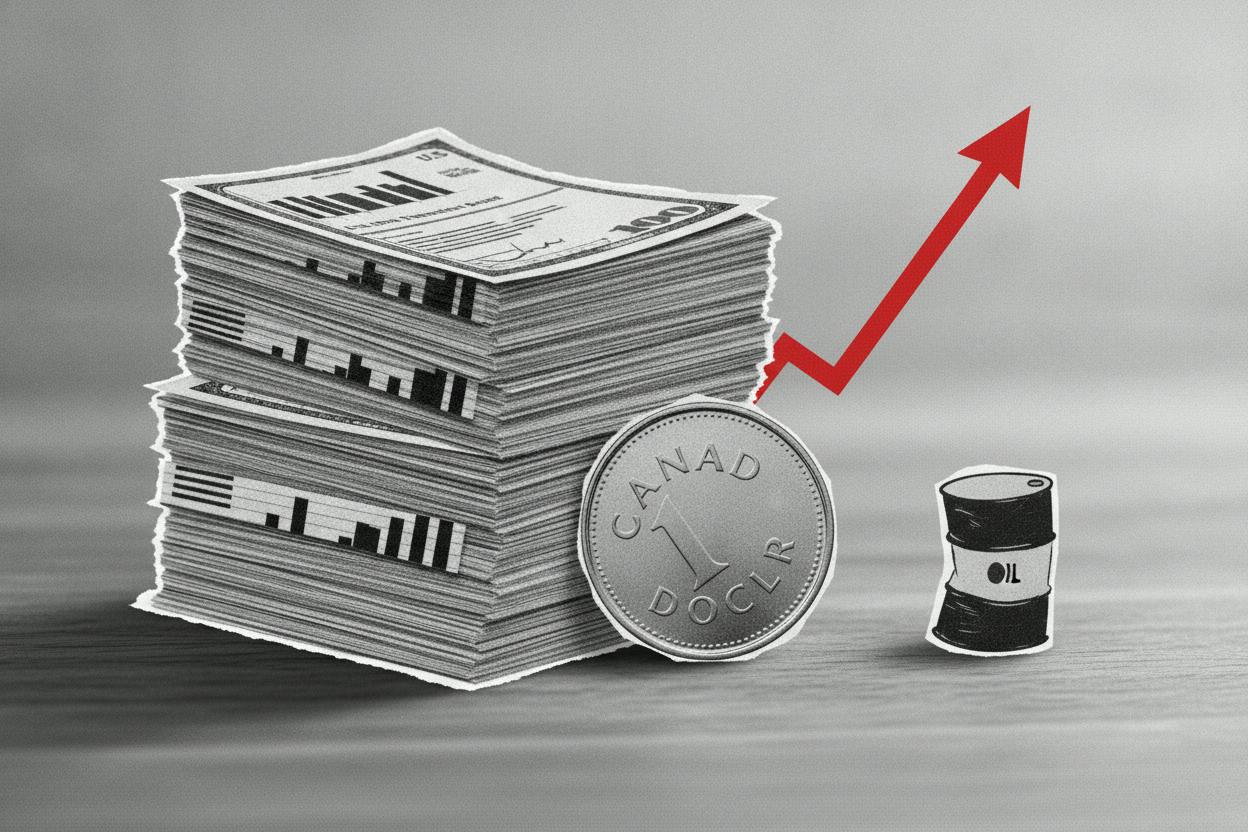
The US dollar strengthened against its Canadian counterpart on Tuesday, climbing 0.2% to CA$1.4045, as Treasury yields ticked higher and oil prices retreated. The moves come as investors position themselves ahead of the Federal Reserve's interest rate decision, scheduled for Wednesday.
What's driving the currency pair?
The dollar's gain reflects a familiar dynamic between the US and Canada. When US government bond yields rise, holding dollars becomes more attractive to global investors, which tends to support the greenback. The 10-year Treasury yield nudged up to 4.991%, while the 30-year yield stood at 5.302%, keeping the pressure on risk assets and currencies like the loonie.
At the same time, oil prices slipped, with West Texas Intermediate crude for December delivery falling 1.7% to $100.04 a barrel, and December Brent dropping 1.6% to $114.01. The decline came as hopes grew that tensions in the Middle East could ease following a meeting between Saudi and Iranian officials in Tehran. For Canada, oil is a major export, so weaker crude prices can reduce the foreign income flowing into the country, putting downward pressure on the loonie.
This combination—higher US yields and softer oil—creates a one-two punch for the Canadian dollar. As the yield advantage for the US widens, the cost of hedging US dollar exposure rises for Canadian investors, and the loonie loses one of its traditional supports.
US data keeps the 'growth is holding up' narrative alive
Adding to the dollar's strength, US economic data released Tuesday showed durable goods orders rose 1.8% in September, helped by a surge in aircraft orders. That report reinforced the view that the US economy remains resilient, even as the Fed has been raising interest rates to combat inflation.
Strong data gives the Fed more room to keep rates higher for longer, which in turn supports elevated Treasury yields. That backdrop has kept markets cautious heading into Wednesday's decision, with traders looking for clues about the central bank's next moves.
What it means for investors
For everyday investors, the move in USD/CAD matters in a few ways. If you hold US stocks or bonds, a stronger dollar can boost the value of those investments when converted back into Canadian dollars. But it also makes hedging that exposure more expensive, as the forward rates used to lock in future conversions reflect the yield gap between the two currencies.
Canadian companies that earn revenue in US dollars or have expenses in the US also feel the impact. A higher USD/CAD rate can improve their earnings when translated back to loonies, but it can also raise the cost of hedging those cash flows.
The oil price decline is another factor to watch. Energy is a key driver of Canada's economy, and sustained weakness in crude could weigh on the loonie over time. However, oil prices remain elevated by historical standards, and the recent dip is modest.
Looking ahead, all eyes are on the Fed's decision. Markets have largely priced in a pause in rate hikes, but the tone of the statement and Fed Chair Jerome Powell's press conference will be scrutinized for signals about future moves. A hawkish surprise could push yields higher and further support the dollar, while a dovish tilt might give the loonie some breathing room.
For those tracking the currency markets, the loonie's recent pause near 1.40 highlights the tension between the two central banks. The Bank of Canada also has a rate decision this week, and its stance will influence the pair's direction.
As always, these moves are part of a broader market picture. Rising Treasury yields are also reviving concerns about US banks' underwater bond portfolios, and traders are bracing for bigger swings in tech stocks ahead of mega-cap earnings. The dollar's strength is just one piece of a complex puzzle that investors are trying to solve.