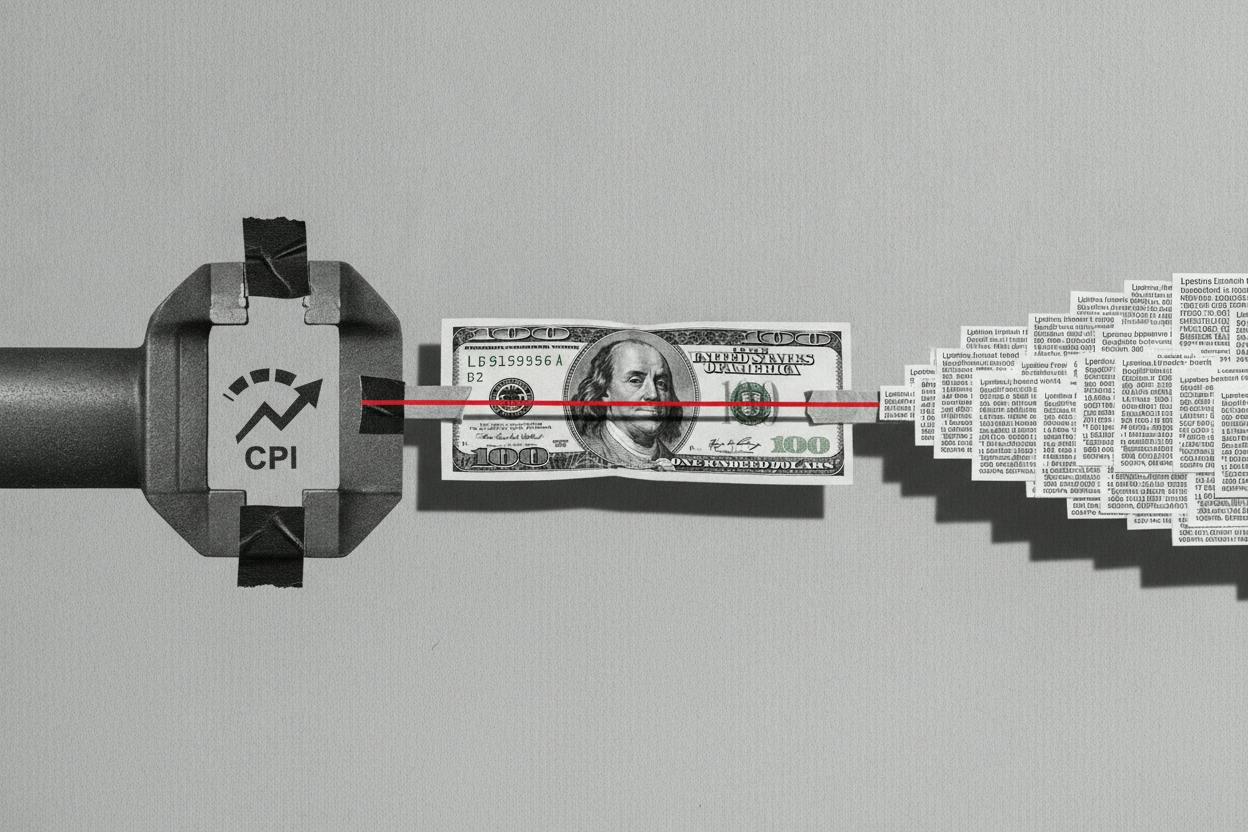
The US dollar eased on Tuesday as traders held their breath for September inflation data and further comments from Federal Reserve officials, while leaders at the International Monetary Fund's annual meetings in Bangkok pressed governments to get their debt under control.
The dollar index, which measures the greenback against a basket of major currencies, slipped to around 102, reflecting growing investor conviction that the Fed may be finished raising interest rates. That view has been bolstered by recent remarks from New York Fed President John Williams and Fed Governor Christopher Waller, both of whom sounded less hawkish than in previous months.
What's driving the dollar?
Currency markets are largely a bet on interest rate differentials. When the Fed is expected to keep rates higher for longer, the dollar tends to strengthen as investors seek higher yields. When the opposite is true, the dollar often softens.
Recent comments from Fed officials have shifted the narrative. Williams and Waller have both suggested that the central bank may be nearing the end of its tightening cycle, even as inflation remains above the Fed's 2% target. That has led traders to price in a higher chance that the Fed holds rates steady at its late-October meeting.
But the picture is far from settled. The upcoming September consumer price index (CPI) report will be a key data point. If inflation comes in hotter than expected, it could force the Fed to reconsider. If it comes in cooler, it would reinforce the "done" camp.
"The market is really waiting for the CPI print," said one currency strategist. "It's the last major data point before the Fed's October meeting, and it could swing the dollar either way."
IMF's fiscal warning
Meanwhile, at the IMF and World Bank annual meetings in Bangkok, officials were focused on a different kind of pressure: government debt. IMF leaders urged countries to rein in borrowing and rebuild fiscal buffers, warning that high debt levels could leave economies vulnerable to future shocks.
This is a familiar theme for the IMF, which has long cautioned against excessive government borrowing. But the message carries extra weight now, as many countries emerged from the pandemic with record debt loads and now face higher interest costs as central banks around the world have raised rates.
For the US, the fiscal picture is also in focus. The government's debt load has grown steadily, and higher rates mean the cost of servicing that debt is rising. Some analysts worry that this could eventually put pressure on the dollar and US Treasury yields.
What it means for investors
For everyday investors, the dollar's direction matters in several ways. A weaker dollar tends to be a tailwind for international stocks and emerging markets, as their earnings become more valuable in dollar terms. It can also support commodity prices, since many commodities are priced in dollars.
On the flip side, a weaker dollar can make imported goods more expensive for US consumers, potentially feeding into inflation. That's a delicate balance for the Fed, which is trying to bring inflation down without tipping the economy into recession.
Investors should also keep an eye on the Fed's October meeting. If the central bank does hike again, it could send the dollar higher and put pressure on risk assets. If it holds, the dollar could continue to soften, providing some relief to international investors.
As always, it's important to remember that currency moves are just one piece of the puzzle. A diversified portfolio that includes both domestic and international exposure can help smooth out the impact of currency swings.
What to watch next
The immediate focus is on the September CPI report, due out later this week. Traders will also be listening for any additional comments from Fed officials in the run-up to the October meeting.
Beyond that, the IMF meetings in Bangkok could produce headlines about global fiscal policy, which may influence market sentiment. And with the dollar near 102, a break below that level could signal further weakness, while a rebound could indicate that the market is still not convinced the Fed is done.
For now, the dollar is in a holding pattern, waiting for the next piece of data to point the way.