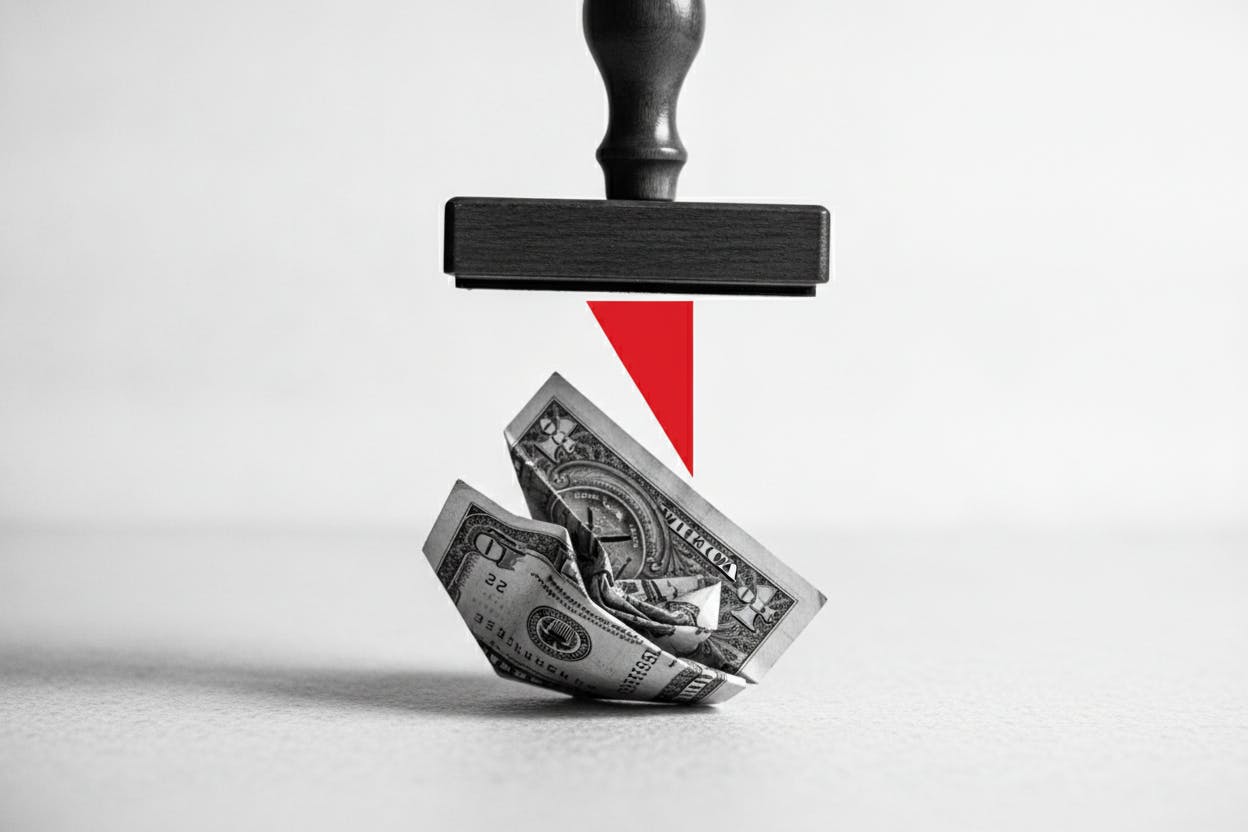
The US dollar began the week in a cautious mood, with traders holding fire ahead of two major events: the Federal Reserve's policy decision on Wednesday and the first reading of second-quarter US economic growth on Thursday. The currency's direction remains uncertain as markets weigh the odds of further rate hikes against signs of a cooling economy.
What's happening with the dollar?
The dollar's recent moves have been driven by shifting expectations for interest rates. The Federal Reserve's benchmark rate currently sits at 3.50%-3.75%, and futures markets are pricing in a clear favorite: a 64.2% chance that the Fed will hold rates steady at this week's meeting, according to the CME FedWatch tool. The remaining 35.8% probability points to a quarter-point hike.
When market expectations are this lopsided, the actual decision often has less impact on the dollar than the accompanying commentary from Fed Chair Jerome Powell. Investors will be listening closely for any hints about the central bank's next moves, especially after recent data showed inflation easing but still above the Fed's 2% target.
GDP data adds another layer
Thursday brings the first estimate of US gross domestic product for the second quarter. This is a key snapshot of how the economy is performing, and any surprise could shift the outlook for rates. A stronger-than-expected reading might increase the case for another hike, while a weaker number could reinforce the case for a pause.
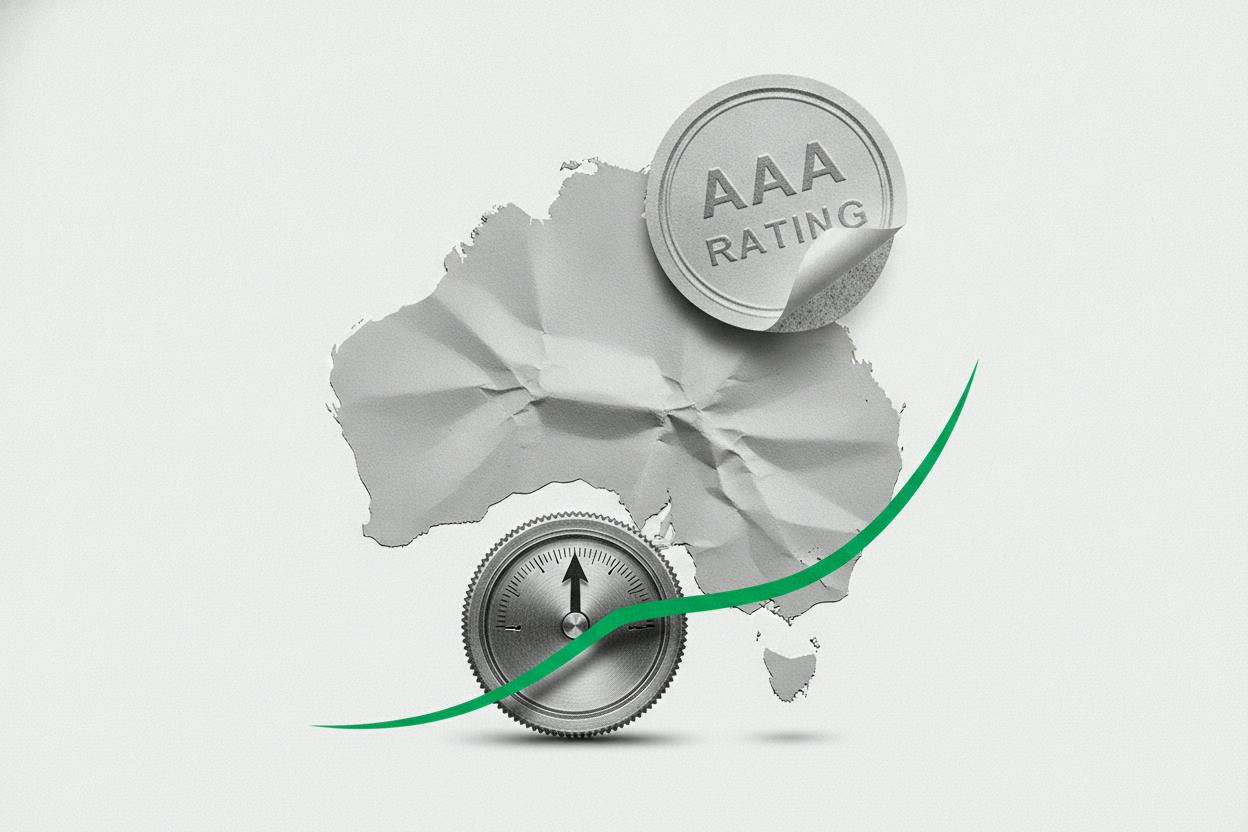
The dollar has also been influenced by broader market trends. A recent drop in oil prices has helped ease inflation fears, which in turn has supported Treasury yields falling and reduced some upward pressure on the dollar. Meanwhile, other currencies have been moving in response to their own central bank actions. For example, the Aussie and kiwi dollars gained recently as cooling oil prices eased inflation concerns in those economies.
What it means for investors
For everyday investors, the dollar's direction matters because it affects the value of international investments, commodity prices, and even the returns on US stocks and bonds. A stronger dollar can hurt US exporters by making their goods more expensive abroad, while a weaker dollar can boost multinational companies' earnings when they convert foreign profits back into dollars.
The Fed's decision also has implications for bond yields. If the central bank signals that rates will stay higher for longer, yields could rise, which would make bonds more attractive relative to stocks. Conversely, a dovish tone could push yields lower and support equity markets.
Investors should also keep an eye on other central banks. The India's central bank pulled in nearly $32 billion through dollar inflow schemes recently, showing how emerging markets are managing currency pressures. And in a surprise move, Indonesia's central bank chief resigned unexpectedly, rattling markets in that region.
The bigger picture
The dollar's fate is tied to the broader narrative of whether the US economy can avoid a recession while inflation continues to cool. The Fed has been walking a tightrope, trying to slow price increases without causing a sharp downturn. This week's data will provide fresh clues about whether that balancing act is working.
Commodity markets are also watching closely. Copper held steady recently as oil eased and stockpiles shrank, reflecting the cautious mood ahead of the Fed decision. A weaker dollar tends to support commodity prices, since they are priced in dollars and become cheaper for foreign buyers.
In the currency markets, the yuan strengthened as the dollar weakened recently, with traders also watching for policy clues from China's Politburo meeting. This interconnectedness means that the Fed's decision will ripple through global markets, affecting everything from emerging market currencies to the cost of imports for US consumers.
What to watch next
After Wednesday's Fed decision and Thursday's GDP data, investors will turn their attention to the next round of economic reports, including jobs data and inflation readings. The path for interest rates remains uncertain, and the dollar will likely continue to react to each new data point.
For now, the message from the markets is clear: the dollar is waiting, and so are investors.