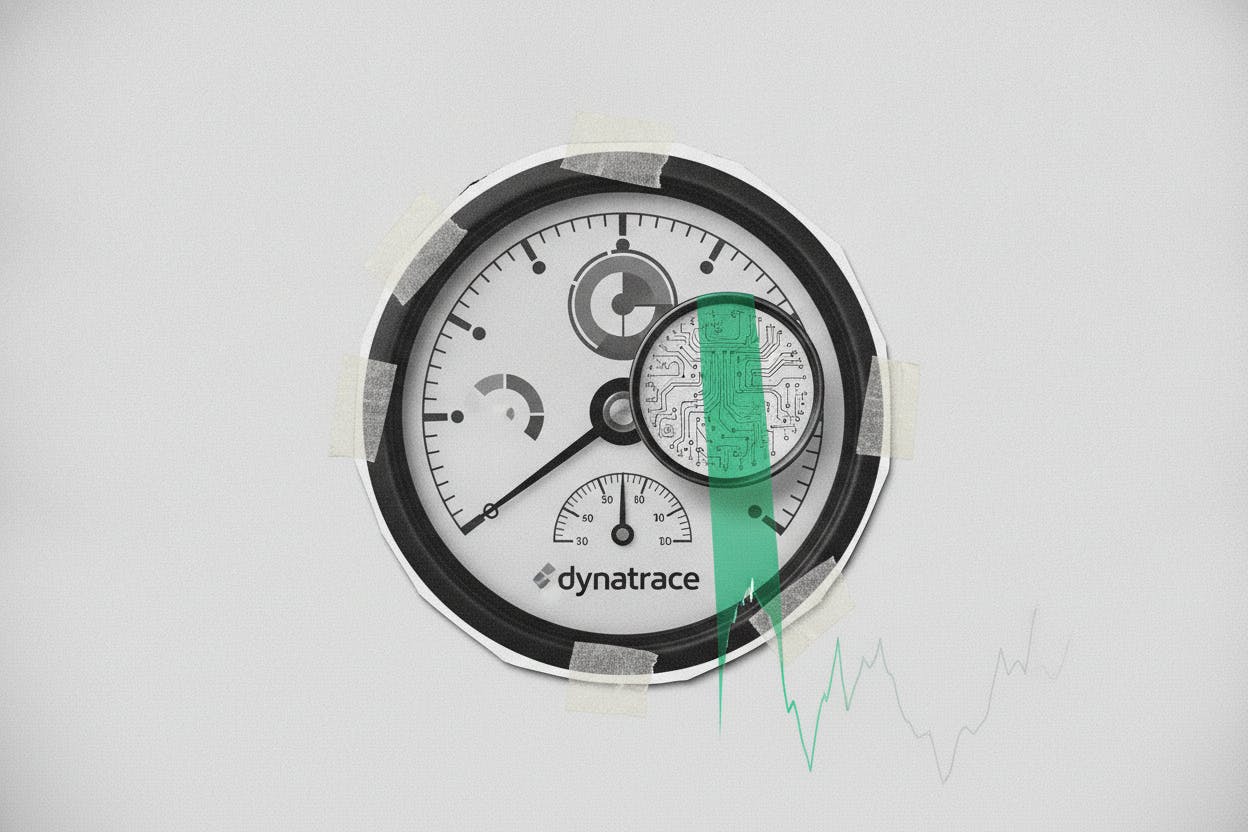
Dynatrace, a software company that helps businesses monitor and secure their IT systems, said it is acquiring Arize, a startup focused on observing and improving artificial intelligence models. The deal is aimed at strengthening Dynatrace's position in the fast-growing field of AI observability, which involves tracking how AI systems perform in real-world use.
Shares of Dynatrace slipped in Friday trading even as the company announced the acquisition. That kind of reaction is not unusual when a company makes a purchase, as investors weigh the cost of the deal against the potential long-term benefits.
What is AI observability?
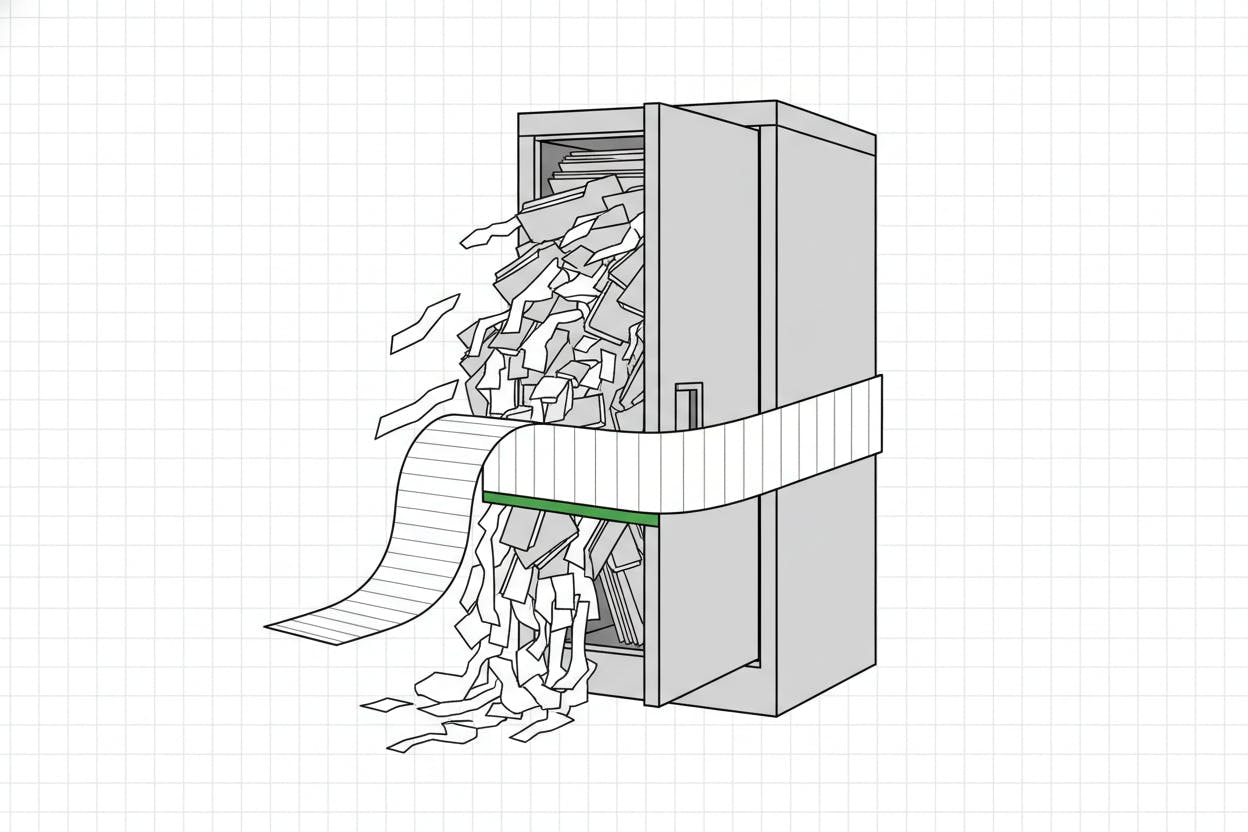
Observability is a term from the software world that refers to how well you can understand what a system is doing by looking at its outputs. For traditional software, that means tracking things like response times, error rates, and server usage. For AI, observability is more complex because AI models can behave in unpredictable ways.
Arize specializes in this newer area. Its tools help companies evaluate large language models (LLMs) — the technology behind chatbots and other generative AI — and detect when those models start to drift, or become less accurate over time. Model drift can happen when the data a model was trained on no longer matches the real-world data it is seeing, which can lead to poor or even harmful outputs.
RBC Capital Markets, an investment bank, said in a note that the acquisition could help Dynatrace with LLM evaluation and model drift tracking over time. That suggests the deal is not just about adding a new product, but about building a deeper capability that could become increasingly important as more companies deploy AI.
Why the deal matters
Dynatrace is already a major player in the broader observability market, competing with companies like Datadog and New Relic. But as AI becomes more central to how businesses operate, the tools they use to monitor their systems need to evolve. Traditional monitoring may not be enough to catch problems with AI models, which can fail in subtle ways.
By bringing Arize in-house, Dynatrace is betting that AI observability will become a key part of its offering. That could help it attract customers who are building AI-powered features and need to ensure those features are reliable and safe.
The deal also comes at a time when many companies are investing heavily in AI. Anthropic's reported IPO plans and other high-profile AI moves highlight the broader trend. For investors, this acquisition is a signal that Dynatrace wants to be a leader in the AI infrastructure space, not just a provider of traditional monitoring tools.
What it means for investors
For everyday investors, the key takeaway is that Dynatrace is making a strategic bet on the future of AI. The company is spending money now to position itself for what it sees as a major growth area. Whether that bet pays off will depend on how quickly AI observability becomes a must-have for businesses.
It is also worth noting that the stock dipped on the news. That could reflect concerns about the price of the deal, or simply the fact that acquisitions often carry execution risks. Investors will likely watch for more details about the deal's terms and how Dynatrace plans to integrate Arize's technology.
In the broader context, this acquisition is part of a wave of consolidation in the tech sector as companies look to add AI capabilities. eBay's purchase of Depop and TSMC's expansion plans are other examples of companies making big moves to stay competitive. For Dynatrace, the Arize deal is a clear attempt to stay ahead of the curve.
As always, investors should consider how this fits into their own portfolio and risk tolerance. The AI market is growing, but it is also competitive and fast-changing. Dynatrace's move shows confidence in its ability to win in this space, but there are no guarantees.
In the coming months, watch for updates on the deal's closing and any early signs of how Arize's technology is being integrated. That will give a better sense of whether the acquisition is delivering on its promise.