East Timor's central bank is betting that a new instant-payments network can do more than make everyday transactions faster. The bank says the digital trail left by payments could help informal small businesses finally qualify for loans, while also putting some of the country's idle bank cash to work.
The system, launched in September, is part of a broader push by the government to modernize the economy of Southeast Asia's newest nation, which joined ASEAN in 2011. Central bank governor Hélder Lopes told Reuters that the data generated by the network could be a game-changer for lenders trying to assess the creditworthiness of small merchants.
Why informal businesses struggle to get loans
In East Timor, a large share of economic activity happens through informal merchants—street vendors, small shops, and family-run stalls—that don't keep formal financial statements or have collateral to offer. That makes banks wary of lending to them, because they can't easily judge whether a borrower will be able to repay.
Without a credit history or documented cash flow, these businesses are often shut out of the formal banking system. They may turn to informal lenders who charge high interest rates, or simply go without the capital they need to grow.
The central bank's idea is that an instant-payments network can change that. Every time a merchant receives a digital payment, the system records a time-stamped transaction. Over weeks and months, that creates a reliable record of sales—essentially a digital cash-flow statement that lenders can use to evaluate whether a business is steady enough to service a loan.
"If a shop's sales are consistent, that's a signal it can repay," Lopes said, explaining the logic behind the initiative.
Putting idle cash to work
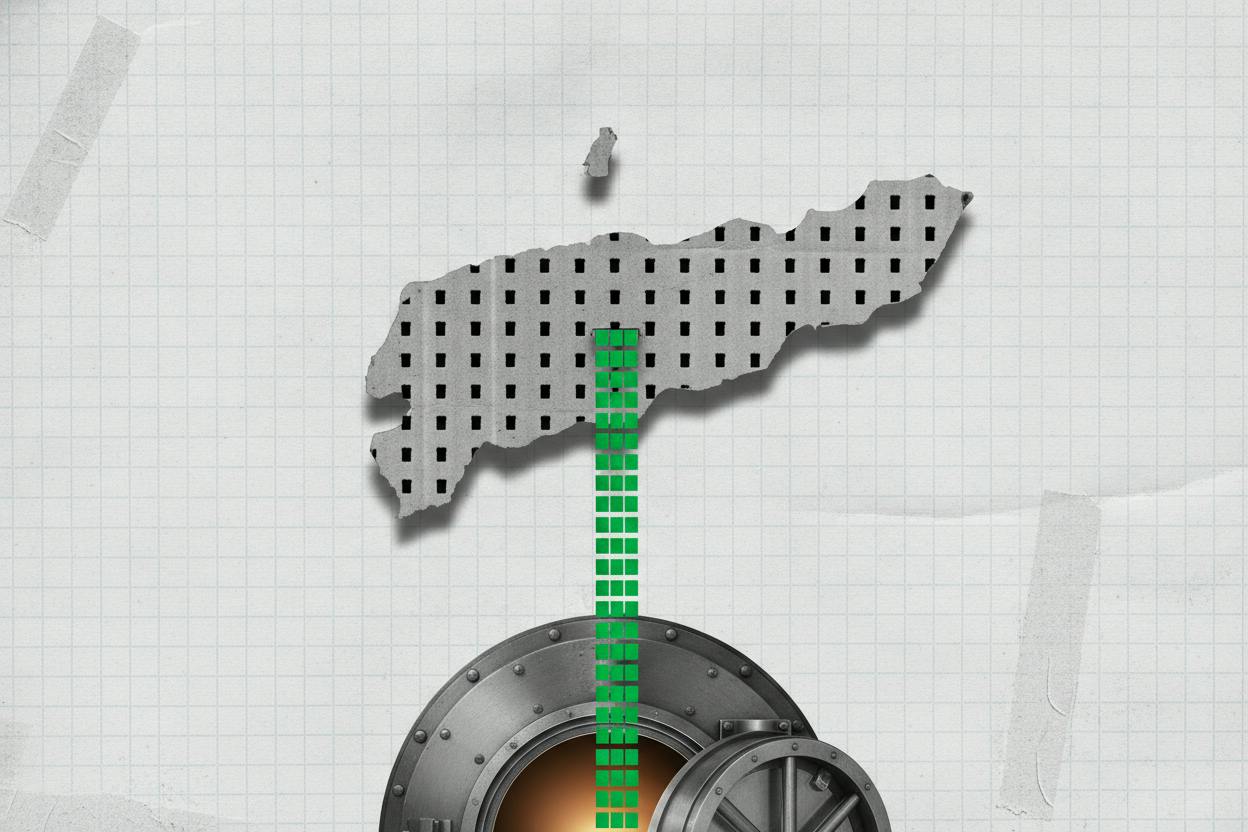
The plan also addresses a separate problem: East Timor's banks are sitting on more deposits than they can lend out. With limited creditworthy borrowers, much of that money stays idle, earning little or nothing. By expanding the pool of potential borrowers, the central bank hopes to channel some of that excess liquidity into productive lending.
That would be a boost not just for small businesses, but for the broader economy. More lending typically means more investment, more jobs, and faster growth. For a country still developing its financial infrastructure, the stakes are high.
What it means for investors
For everyday investors, this story is less about a specific stock and more about the long-term potential of a frontier market. East Timor is small, but its efforts to build a modern payments system mirror trends seen across emerging Asia, where digital finance is rapidly expanding access to credit.
Similar initiatives have been tried elsewhere. In India, the UPI instant-payments system has transformed how millions of people transact, and has been credited with helping small merchants build credit histories. In Thailand, the central bank has been supportive of digital payments as part of its broader monetary policy framework. These examples suggest that digital payment data can indeed become a powerful tool for financial inclusion.
For investors with exposure to Southeast Asian markets, the development is a reminder that fintech and digital infrastructure are key growth areas. Companies that provide payment technology, data analytics, or banking software could benefit as more countries adopt similar systems.
However, it's important to keep expectations realistic. East Timor's economy is small, and the instant-payments network is still in its early days. It will take time for enough transaction data to accumulate, and for banks to develop the underwriting models needed to use it effectively. There are also risks: data privacy, cybersecurity, and the challenge of reaching merchants in remote areas.
Still, the central bank's push is a notable step. By linking payments data to lending, it is trying to solve a problem that has held back small businesses for years. If it works, it could serve as a model for other countries facing similar challenges.
Looking ahead
Investors will be watching to see how quickly the system gains adoption, whether banks start using the data to make loans, and whether default rates stay low. The central bank's commitment to the project is clear, but success will depend on execution.
For now, the message from East Timor is that digital payments are not just about convenience—they're a tool for economic growth. And that's a story worth following.