Dubai's largest listed real estate developer, Emaar Properties, is considering buying out the remaining shares of its development subsidiary, Emaar Development, according to a Bloomberg report. The deal could be worth up to $3 billion, even though Emaar already owns just over 79% of the unit.
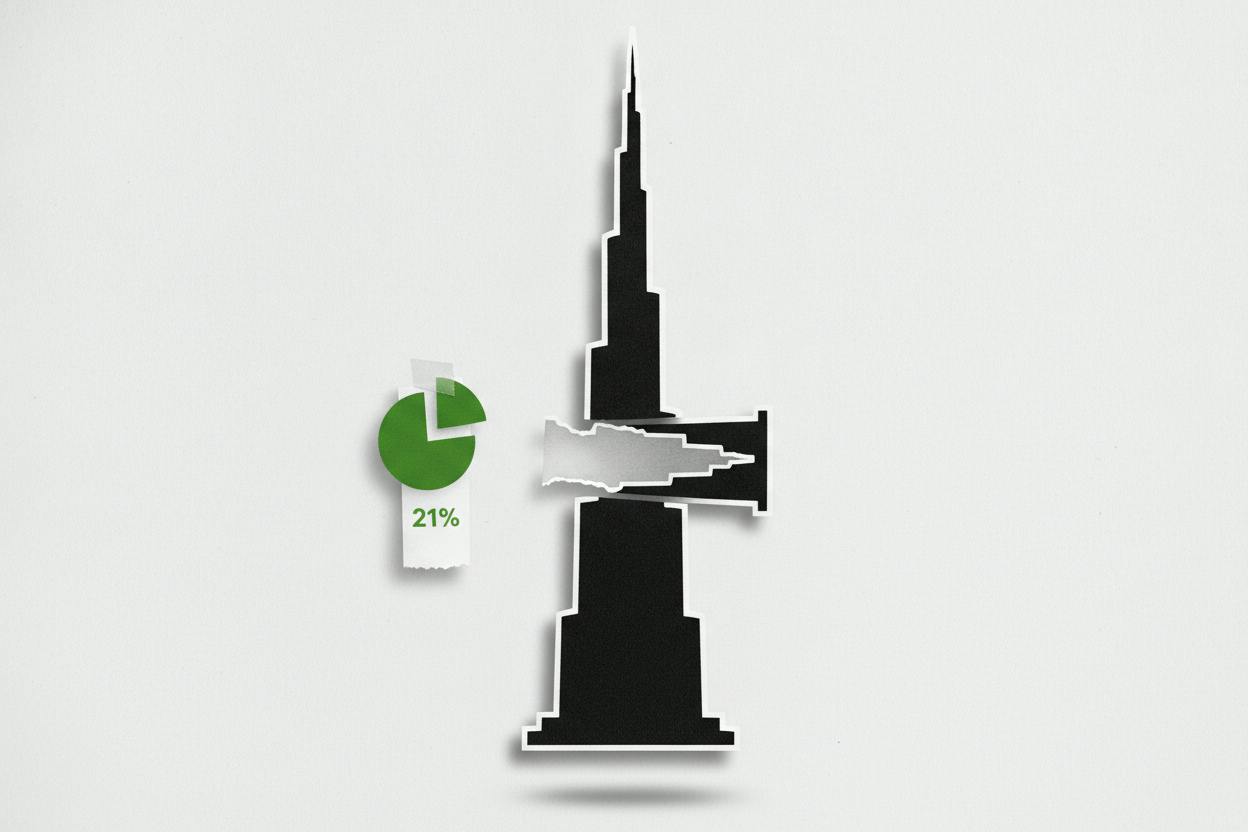
The company is expected to discuss the proposal at a board meeting this week and has already sought legal and financial advice, though no final decision has been made. The news has put the spotlight on the fine print: Emaar Development's market value stands at $13.68 billion, according to LSEG data, which means the "up to $3 billion" figure represents the cost of acquiring the roughly 21% of shares that Emaar does not already own.
Why would Emaar do this?
Emaar Properties is one of the most prominent developers in the Middle East, known for iconic projects like the Burj Khalifa and the Dubai Mall. Its development arm, Emaar Development, handles the construction and sale of residential and commercial properties. By taking full ownership, Emaar would simplify its corporate structure, reduce regulatory and reporting burdens, and gain more flexibility in managing its projects and finances.
This type of move—buying out minority shareholders—is common in the region and elsewhere. Companies often do it when they want to streamline operations, eliminate the costs of maintaining a separate listing, or gain more control over strategic decisions. For Emaar, it could also signal confidence in the future of Dubai's property market, which has seen a strong recovery in recent years.
The deal would be one of the larger buyouts in the region, but it is not without precedent. Other Gulf companies have taken similar steps to consolidate their holdings, especially when they believe the market undervalues their subsidiaries.
What it means for investors
For shareholders of Emaar Properties, the buyout would mean a larger claim on the profits of the development business. Currently, about 21% of those profits go to outside investors in Emaar Development. If the buyout goes through, all of that would flow to Emaar Properties' shareholders.
However, the deal would also require a significant cash outlay. Emaar would need to fund the purchase, either from its own cash reserves or through debt. That could affect its balance sheet and future dividend payments. Investors will be watching how the company plans to finance the deal and whether it will raise borrowing.
For minority shareholders of Emaar Development, the offer price will be the key issue. If the price is too low, they may resist the deal. If it is fair, they could see a nice premium to the current market price. The "up to $3 billion" figure suggests Emaar is willing to pay a premium, but the exact terms are still unknown.
The news also comes amid a broader trend of companies simplifying their structures. In recent months, we've seen other firms consider similar moves, such as RWE and KKR signaling interest in buying state-owned Uniper. And in the banking sector, JPMorgan is expanding in Dubai, highlighting the region's growing financial clout.
What to watch next
Investors should keep an eye on the board meeting this week. If the deal is approved, the next steps would be a formal offer to minority shareholders, likely at a premium to the current trading price. The financing details will also be crucial—whether Emaar uses cash, debt, or a combination.
There is also the possibility that the deal falls through, as many proposed buyouts do. The company has not confirmed the Bloomberg report, and no final decision has been made. If the deal does not happen, Emaar Development's shares could fall back to previous levels.
For now, the market is reacting to the news, with Emaar Development's shares likely to trade higher on the prospect of a buyout. But as with any deal, the devil is in the details. Investors should wait for the official announcement and review the terms carefully before making any decisions.
In the broader context, this move reflects the ongoing consolidation in the real estate sector, as developers seek to streamline operations and focus on core businesses. It also underscores the strength of Dubai's property market, which has rebounded strongly from the pandemic downturn.
For everyday investors, the key takeaway is that corporate actions like buyouts can create value, but they also carry risks. It's important to understand the terms and the company's motivations before reacting.