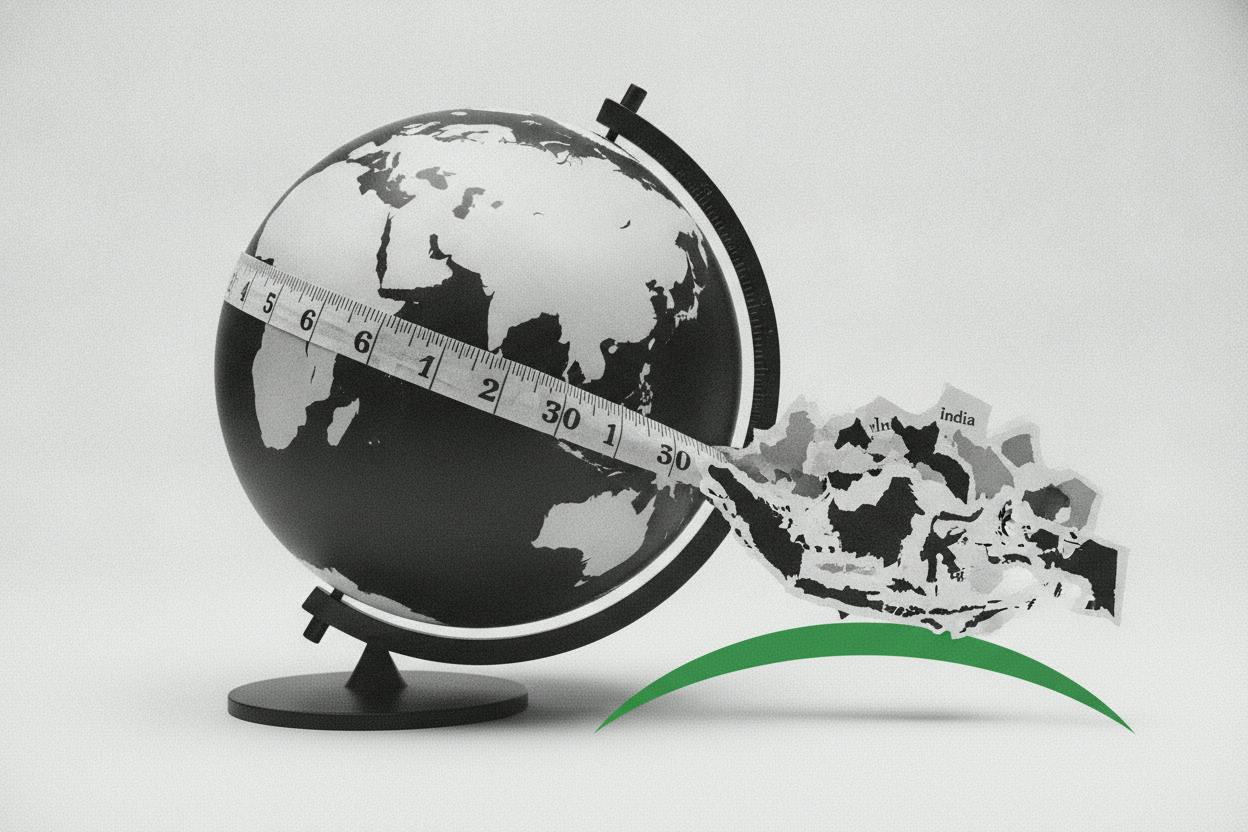
A new report from BRICS+ Thinking, a research group focused on emerging markets, projects that emerging economies will generate more than half of the world's output within the next decade. The shift would mark a significant change in the global economic landscape, moving the center of growth away from today's richest nations.
The report forecasts that emerging economies' share of global output will rise to 53% by 2034, up from 39% currently, crossing the 50% threshold in that year. These figures are measured in real 2021 US dollars at market exchange rates, a detail that carries important implications for how the forecast plays out.
What's Driving the Shift?
The report points to several factors behind this projected rise. Demographics play a key role: many emerging economies have younger, growing populations that can support expanding workforces and consumer markets. Investment and productivity gains are also expected to contribute, as these countries continue to industrialize and adopt new technologies.
India is the headline example. The report pencils in India's economy at $19.5 trillion by 2050, making it a major engine of global growth. Indonesia and Mexico are also projected to enter the world's top 10 economies, a milestone that would reflect their rising economic heft.
The broader BRICS+ bloc—which includes Brazil, Russia, India, China, South Africa, and several new members—is expected to lift its share of global output to 40% by 2050, up from 28% today. That expansion would be driven by the same structural trends: demographics, investment, and productivity.
The Currency Factor
One of the most important nuances in the report is the use of market exchange rates. When forecasts are expressed in US dollars, currency movements become a built-in driver of who “looks bigger” in global rankings. If emerging-market currencies strengthen in real terms, the same local growth translates into more dollar-measured revenue, earnings, and wealth.
That has knock-on effects for global investors and index providers. Bigger dollar footprints can mean larger benchmark weights for these countries, and more attention to risks that sit closer to home, like inflation and exchange-rate swings. So the report's vision implies that emerging-market foreign-exchange dynamics could matter more to how global portfolios experience world growth.
Reuters noted that the report's near-term growth view is broadly in line with the International Monetary Fund's projections. However, the long-run tilt depends on whether those structural trends—and currency strength—actually materialize. Past forecasts of emerging-market dominance have sometimes been derailed by currency crises or policy missteps.
What It Means for Investors
For everyday investors, this report is a reminder that emerging markets are not a monolithic bet. The projected rise is led by specific countries—India, Indonesia, Mexico—each with its own drivers and risks. India's growth story is tied to its young population and digital economy, while Indonesia benefits from commodity exports and a large domestic market. Mexico is increasingly seen as a manufacturing hub, partly due to nearshoring trends.
Investors with exposure to global index funds or emerging-market ETFs may see these countries gain more weight over time. That could mean more of their money is tied to currencies like the rupee, rupiah, or peso, which can be volatile. It also means that inflation and interest-rate policies in these countries could have a bigger impact on returns.
The report's currency call is worth noting. If emerging-market currencies strengthen, dollar-based investors could see an extra boost on top of local growth. But if currencies weaken, the opposite happens. This is a reminder that currency risk is a real factor in international investing, not just a footnote.
For those looking to understand the broader backdrop, global stocks have been reacting to trade policy, and new funds are targeting emerging-market credit, both of which reflect the growing interest in these economies. The report's long-term vision is ambitious, but it aligns with a broader trend of emerging markets becoming more central to the global economy.
As with any forecast, there are no guarantees. The path to 53% by 2034 could be disrupted by geopolitical tensions, policy mistakes, or global recessions. But the direction is clear: the world's growth engine is shifting, and investors who understand the dynamics—including the currency angle—will be better positioned to navigate the change.