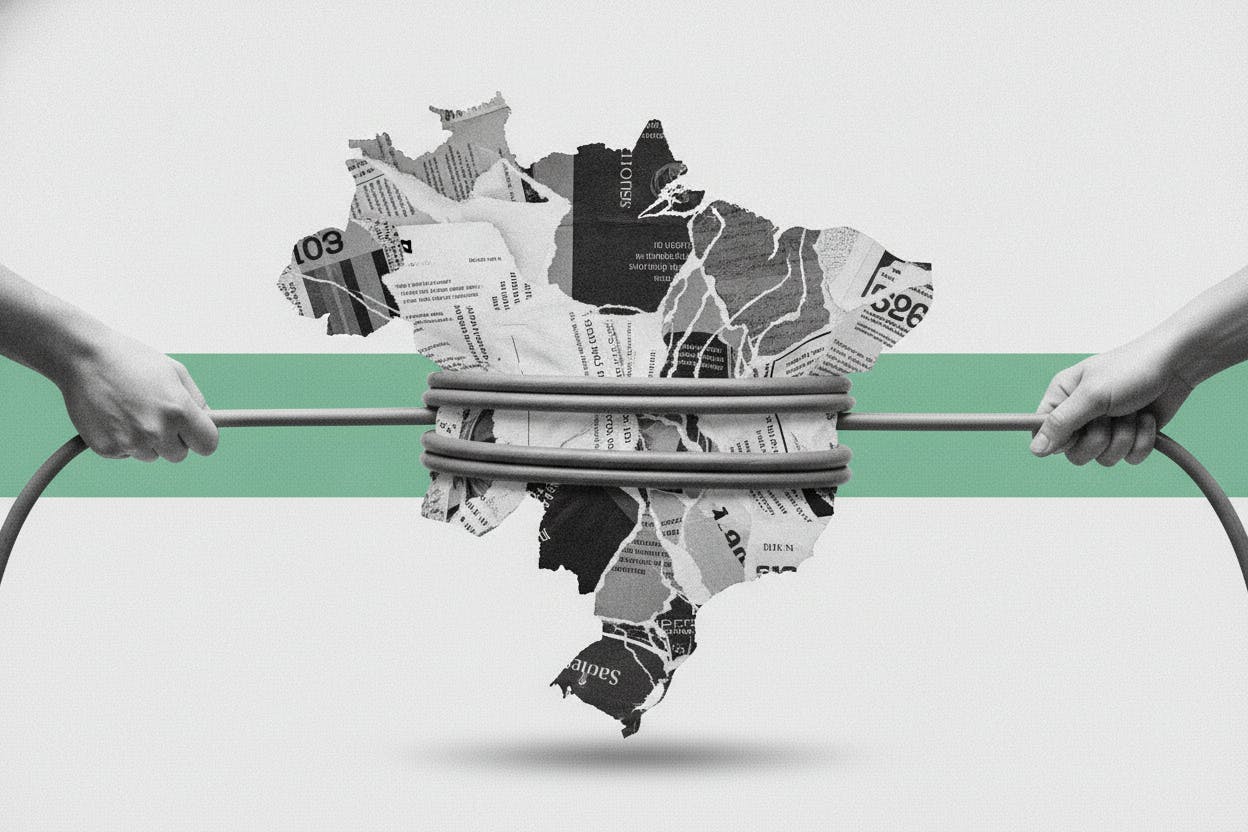
Brazilian utility Equatorial and Spain's Iberdrola are reportedly circling the Brazil electricity assets of Italy's Enel, according to a report from Brazilian business newspaper Valor Econômico. The potential deal comes as Enel faces regulatory pressure over its key Sao Paulo distribution concession after repeated blackouts during heavy rain.
The report says Equatorial and Iberdrola have been talking to Enel and even sent representatives to Rome, with discussions that could go beyond one subsidiary and potentially cover Enel's broader Brazil portfolio. Enel has said it wants the concession renewed and denied talks that would involve a change of control. Equatorial said it monitors opportunities but won't comment on specific deals, and Iberdrola did not immediately respond.
Why the Concession Renewal Is the Key Lever
A power concession is essentially a license to earn regulated cash flows over many years. In Sao Paulo, regulators are weighing whether to renew or even revoke Enel's concession after repeated outages during heavy rain. The would-be buyers want regulators to make any renewal conditional on a sale, turning a reliability problem into a forced negotiating timeline.
For Enel, the Sao Paulo concession is a crown jewel in its Brazil portfolio. The company has invested heavily in the region, but the outages have damaged its reputation with both customers and regulators. If investors start to believe renewal is at risk, they typically apply a higher risk premium, meaning they value those future cash flows less, which can pull down the price a seller can demand.
What It Means for Investors
For Equatorial or Iberdrola, the upside is clear: a new owner might get a cleaner relationship with regulators and a chance to reset service standards. Equatorial, a Brazilian utility group, has a track record of turning around troubled assets, while Iberdrola has deep experience in regulated power markets globally.
For Enel, the key risk is that the longer uncertainty drags on, the more the concession's long-term value gets questioned in public markets and in any deal talks. The company's broader Brazil portfolio includes generation and transmission assets, but the distribution business is the most politically sensitive.
The regulatory backdrop is also important. Brazil's power sector has seen increased scrutiny of concession holders, especially after similar issues with other utilities. The government has signaled it wants to ensure reliability, which could mean tougher terms for any renewal.
For everyday investors, this story highlights how regulatory risk can affect utility stocks. Utilities are often seen as safe, steady earners, but their value depends heavily on the terms of their operating licenses. A dispute over a concession can quickly erode that stability.
If a deal goes through, it could reshape the competitive landscape in Brazil's power sector. Equatorial and Iberdrola are both well-capitalized and could bring new investment to improve infrastructure. But the outcome depends on whether regulators use the renewal as a bargaining chip.
Investors should watch for any official statements from Enel, Equatorial, or Iberdrola, as well as regulatory decisions in Sao Paulo. The next few months could be critical for determining the future of one of Brazil's largest power concessions.
For more on how regulatory pressures are affecting companies in Brazil, see our coverage of Brazilian Firms Turn to Out-of-Court Debt Restructurings as Interest Rates Bite. And for a broader look at power sector deals, check Chevron's Kilby Power Deal with Microsoft Could Reshape Its Earnings Profile.