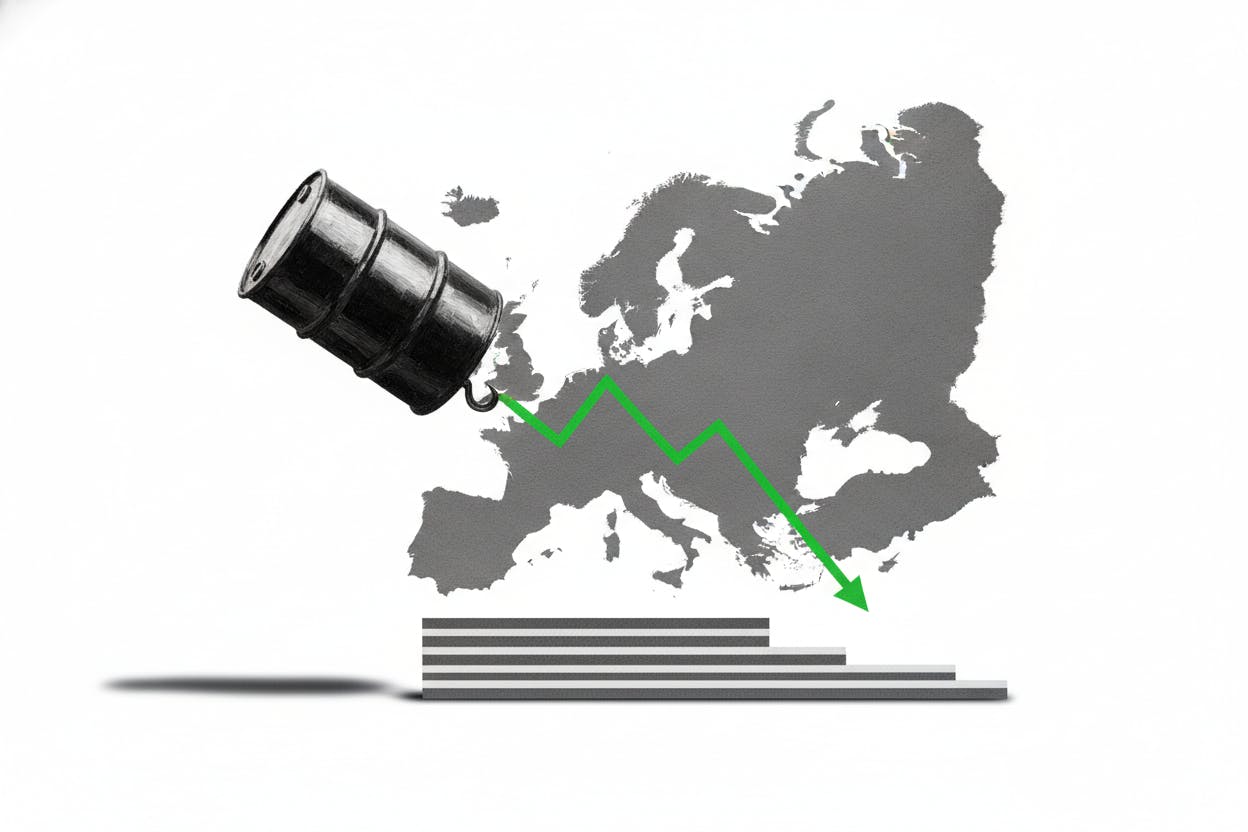
Europe's second-quarter earnings season is shaping up to look impressive on the surface, but a closer look reveals that the headline numbers are heavily skewed by one sector: energy. Analysts expect profits for companies in the STOXX Europe 600 index to rise 14.5% compared with the same period last year. However, strip out oil-and-gas firms, and that growth rate falls to just 5.5%, according to data from London Stock Exchange Group (LSEG) I/B/E/S.
Why Energy Is Driving the Numbers
The gap is stark. Energy sector earnings are forecast to surge 109.3% in the second quarter, far outpacing other groups like basic materials and technology. The main reason is oil prices. Brent crude, the global benchmark, swung sharply during the quarter, briefly topping $100 a barrel on supply fears before sliding to around $70. When the commodity moves that much, producers' profits can move even more because many of their costs are fixed in the short run. This operating leverage means a jump in revenue flows straight to the bottom line, while a drop can quickly squeeze margins.
Non-energy sales are expected to rise 5.1%, a more modest but still positive trend. That suggests the broader European economy is growing, but not at the pace the headline earnings figure might imply. The result is an earnings season that may say as much about the oil market as it does about Europe's wider corporate health.
What It Means for Investors
For everyday investors, the key takeaway is that headline earnings beats can be misleading when they are concentrated in a high-volatility sector. Energy companies have big operating leverage to oil: if Brent falls, revenue drops fast while many expenses don't, so profits and cash flow can swing hard. That's why the STOXX 600's valuation and post-results moves can hinge on a small set of oil-and-gas names. Their guidance and the analyst revisions that follow can lift or drag the index's overall earnings outlook, even if the rest of Europe is delivering a steadier, roughly 5.5% profit trend.
This also puts extra weight on what energy firms say about the second half of the year. If they signal weaker demand or lower prices, it could quickly reshape analysts' forward profit forecasts for the whole index. Conversely, if they remain optimistic, the energy-driven boost could persist.
Broader Context
The energy sector's outsized role in European earnings is not new. Oil and gas companies have been a major driver of index-level profits since the post-pandemic recovery and the surge in commodity prices after Russia's invasion of Ukraine. But the current quarter's numbers highlight how dependent the overall market is on a sector that is inherently unpredictable. For context, recent market moves have shown that energy stocks can hold steady even when oil prices dip, as company-specific news offsets commodity slides, as noted in our coverage of Oil Prices Dip but Energy Stocks Hold Steady.
Meanwhile, other sectors are showing more modest growth. Manufacturing and industrials have been supported by steady demand, as highlighted in Truist Sees Manufacturing Growth Fueling Industrials Earnings This Quarter. But the energy sector's dominance means that any shift in oil prices or energy policy can have an outsized impact on the broader market.
Looking Ahead
Investors should watch for two things in the coming weeks. First, the actual earnings reports from major European energy companies like Shell, TotalEnergies, and BP will provide a clearer picture of whether the 109% profit surge is sustainable. Second, any guidance changes from these firms will be critical, as they can quickly alter the earnings outlook for the entire STOXX 600. The Bank of England has warned that energy shocks could still fuel inflation, as discussed in BoE's Mann Warns Rate Hikes Still Possible If Inflation Expectations Rise or Energy Shocks Return, adding another layer of uncertainty.
In short, Europe's Q2 earnings season is a reminder that not all growth is created equal. For investors, understanding what is driving the numbers is just as important as the numbers themselves.