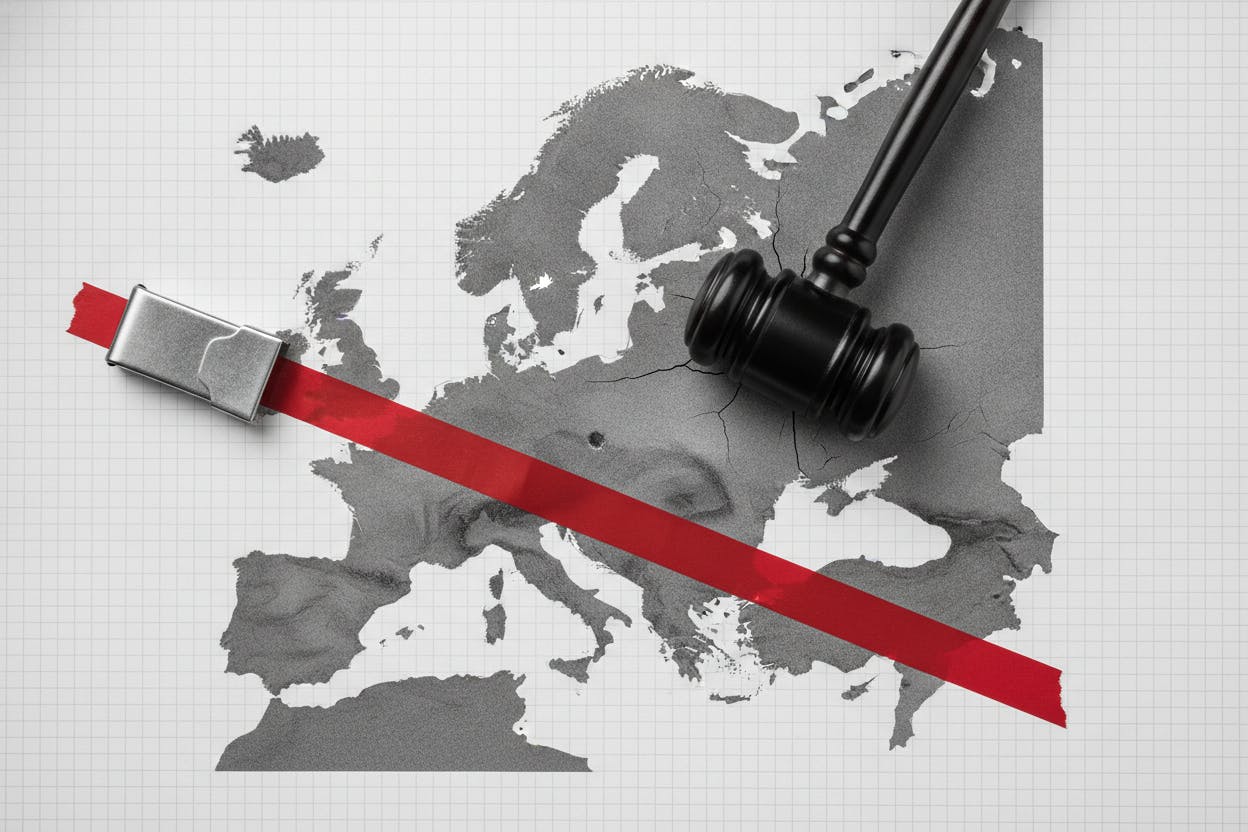
European corporate dealmaking hit a rough patch this week as three separate high-profile moves ran into obstacles from courts, regulators, and investors. The developments underscore the growing friction companies face when trying to execute major transactions in the current environment.
Swedish Court Orders Google to Pay Klarna $2 Billion
A Swedish court ordered Google to pay buy-now-pay-later firm Klarna close to $2 billion in antitrust damages. The case centers on PriceRunner, Klarna's price-comparison unit, and whether Google used its dominance in search to favor its own shopping tool over competitors. This is a reminder that antitrust disputes can result in real financial penalties, not just reputational damage, especially for tech giants facing increased scrutiny across Europe.
For investors, this ruling highlights the ongoing regulatory risks for big tech companies operating in the European Union. Similar cases have emerged in other regions, such as South Korea accusing Google of rigging Android game launches, showing a global trend toward tighter oversight of digital markets.
Getty-Shutterstock Merger Abandoned
Getty Images, a photo-licensing company, announced it was dropping its planned merger with Shutterstock, another image provider, after the UK competition regulator demanded remedies that would have forced Shutterstock to sell its editorial business. The deal, which would have combined two of the largest stock photography platforms, faced antitrust concerns over market concentration.
This decision reflects the increasing willingness of regulators to block or reshape mergers that could reduce competition, particularly in digital markets where a few players dominate. For investors, it means that deal premiums may not materialize if regulatory hurdles become too costly to overcome.
KNDS Pauses IPO Plans Amid Valuation Pushback
Defense manufacturer KNDS, a Franco-German group, paused plans for an initial public offering (IPO) after investors reportedly pushed back on a valuation exceeding €12 billion. The company had hoped to capitalize on rising defense spending in Europe, but the pushback signals that public markets are not willing to pay the prices private investors had hoped for.
This is a classic example of the "IPO discount" — the tendency for new listings to trade at lower valuations than their private-market expectations due to limited trading history and the risk of early volatility. When companies refuse to accept this discount, they often shelve their float and wait for better conditions. The result is a thinner European IPO calendar, fewer large newcomers for broad indexes, and more trading activity concentrated in established names investors already own. For context, the broader European market has been under pressure recently, as rate hike expectations return to haunt markets, making it harder for new issuers to attract demand.
What It Means for Investors
These three events together paint a picture of a European dealmaking environment that is becoming more challenging. Regulatory scrutiny is intensifying, courts are willing to impose large penalties, and investors are becoming more selective about valuations. For everyday investors, this means fewer new investment opportunities from IPOs and mergers, and potentially more volatility in sectors like tech and defense that are subject to regulatory and market pressures.
Investors should also watch for how these developments affect broader market sentiment. The KNDS IPO halt is particularly notable as it comes amid cooling enthusiasm for defense stocks, which had been a hot sector due to geopolitical tensions. Meanwhile, the Klarna ruling could have ripple effects for other tech companies facing antitrust cases in Europe, potentially impacting their stock prices and investment outlook.
Overall, the message is clear: European dealmaking is facing headwinds, and investors should be prepared for a slower pace of corporate activity in the near term.