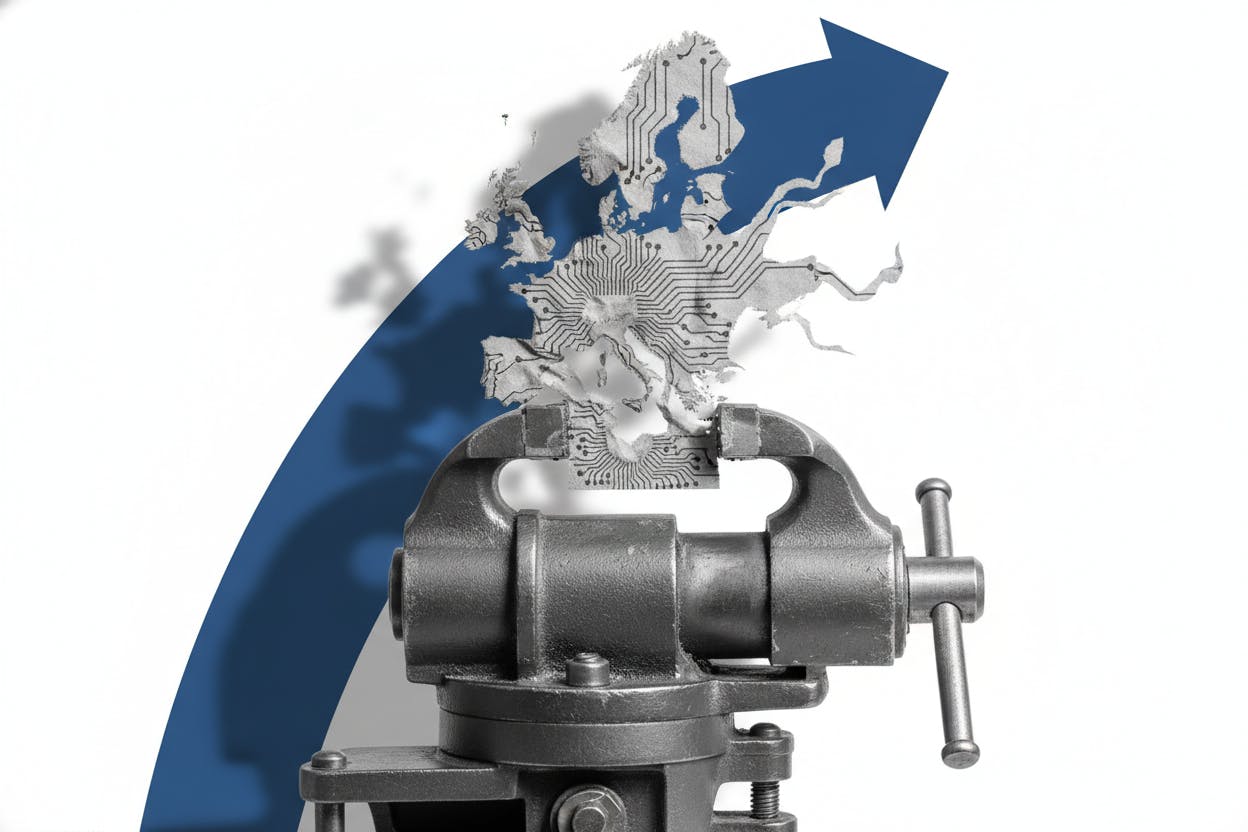
European stocks took a step back on Tuesday as the prospect of further interest rate increases returned to the forefront of investors' minds. The pan-European STOXX 600 index fell 0.4%, while the technology sector took a harder hit, sliding 1.2%.
What's driving the pullback?
The decline comes after a remarkable rally that saw the STOXX 600 post its best quarter since October 2020. Europe's tech index, meanwhile, logged its strongest run since late 2001. But that momentum has stalled as traders reassess the interest rate outlook.
According to data from LSEG, markets are now pricing in at least a quarter-point rate hike from both the Federal Reserve and the European Central Bank later this year. That marks a significant shift from earlier expectations that central banks might begin cutting rates as inflation cooled.
The renewed focus on rate hikes has weighed on stocks across the board, but technology shares have been particularly sensitive. Higher interest rates tend to reduce the present value of future earnings, making growth stocks—which rely on distant profits—less attractive.
Valuation concerns add to the pressure
The recent rally had already pushed valuations higher. Reuters noted that Europe's tech sector now trades roughly in line with comparable US companies, a rare alignment that some analysts see as a warning sign. When valuations rise sharply, any shift in the economic outlook can trigger a swift correction.
This dynamic is playing out across global markets. In the US, stock futures dipped as traders awaited key economic data, including ADP jobs numbers and ISM manufacturing data, amid similar concerns about tech valuations. The Philadelphia Semiconductor Index had surged 88% in the previous quarter, driven by the AI boom, but that rally is now being tested by rate hike fears.
Asian markets have also felt the pinch, with foreign investors pulling a record $137 billion from Asian AI chip stocks. The interconnected nature of global tech investing means that a shift in sentiment in one region can quickly spread to others.
What it means for investors
For everyday investors, the key takeaway is that the interest rate environment remains the dominant force driving market moves. Even as inflation has cooled from its peaks, central banks have signaled they are not yet ready to declare victory. The possibility of further rate hikes means that the path for stocks—especially growth and tech stocks—could remain bumpy.
Investors should also be aware of the valuation dynamic. When markets rally sharply, as European tech did last quarter, it can create a situation where stocks are priced for perfection. Any disappointment—whether from interest rates, earnings, or economic data—can lead to a rapid repricing.
The broader economic backdrop remains mixed. European inflation data showed consumer prices rising 2.8% in June, still above the ECB's 2% target, which keeps the pressure on the central bank to act. Meanwhile, energy prices remain elevated, adding to cost pressures for businesses and consumers alike.
In the UK, the FTSE 100 dipped as US-Iran talks stalled, while defense stocks rose on a £15 billion UK spending pledge. These crosscurrents highlight the many factors influencing European markets beyond just interest rates.
Looking ahead
Traders will be watching closely for any signals from central bank officials in the coming weeks. The next ECB meeting is scheduled for September, while the Fed's next decision comes in late July. Any hints about the direction of rates could trigger further market moves.
For now, the message from the markets is clear: the era of easy money is over, and investors are adjusting to a world where interest rates may stay higher for longer. That adjustment is likely to continue creating volatility, particularly in the sectors that benefited most from the low-rate environment.
As always, the best approach for long-term investors is to stay diversified and avoid making emotional decisions based on short-term market swings. The current pullback may be uncomfortable, but it is a normal part of the market cycle.