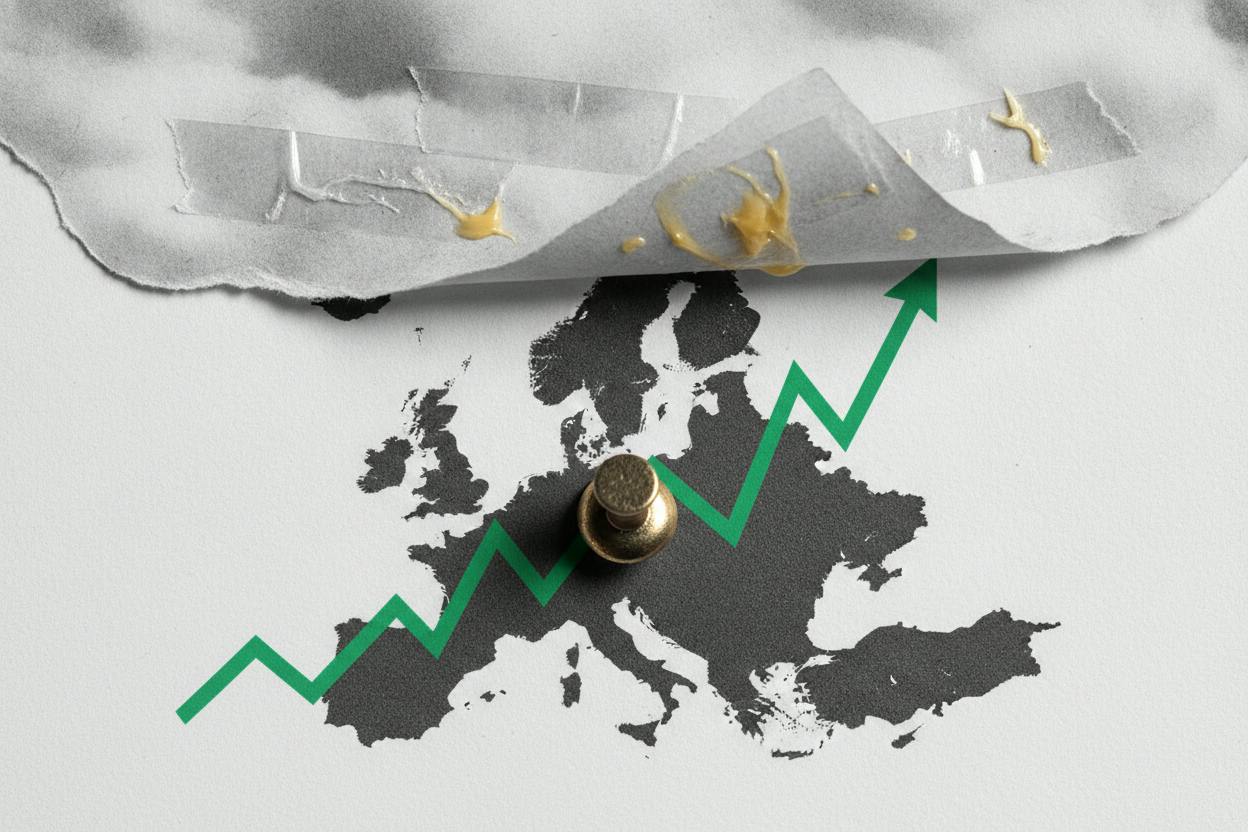
European shares closed higher on [day] as investors welcomed President Donald Trump's comment that the US would not carry out military strikes against Iran before the midterm elections. The Stoxx Europe 600, the broad benchmark for the region, rose 1.1%, with major national indexes also moving up.
Trump's remark reduced the immediate risk of a conflict in the Middle East, a region that supplies a large share of the world's oil. When the chance of a geopolitical shock falls, investors typically demand less extra compensation for holding riskier assets like stocks. That shrinking "fear discount" helped lift the market even though there was no major change in corporate earnings or economic data.
Energy stocks shrug off hurricane disruptions
The energy sector showed how quickly sentiment can override company-specific news. BP and Shell both rose about 0.5% in London even as they shut in some Gulf of Mexico production and evacuated staff ahead of Hurricane Isaias. Such storm-related stoppages are usually temporary, and traders often treat them as a reversible hit to output. In contrast, a lower chance of Middle East disruption can quickly change how the whole sector is priced.
Oil prices themselves were not the main driver of the share moves. Instead, the repricing of geopolitical risk lifted energy stocks broadly, as investors saw less chance of supply disruptions from the region. The earlier dip in energy stocks tied to the storm was reversed as the geopolitical backdrop improved.
Deals and idiosyncratic moves
There were also company-specific stories. Norway's Equinor climbed after agreeing to sell Shell a 30% stake in its Bay du Nord offshore project in Canada. The deal, which has been covered in our M&A roundup, gives Shell a foothold in a promising Atlantic Canadian development and provides Equinor with cash and a partner to share development costs.
Deutsche Bank also gained after announcing a financing package for an Australian wind farm. That news highlighted the bank's push into renewable energy lending, a sector that has been attracting more capital as governments and companies shift toward cleaner power.
What it means for investors
For everyday investors, the key takeaway is that markets can rally even without better earnings if the perceived odds of a shock drop. Trump's comment reduced the chance of an imminent Iran-related escalation, so investors required less compensation for uncertainty. That can push up broad indexes and other "risk-on" corners of the market, such as cyclical stocks and commodities.
But it's important to remember that geopolitical headlines can change quickly. A single statement can ease fears, but a new development could just as easily bring them back. Investors should focus on their long-term allocation rather than trying to time the market based on political statements.
The hurricane-related shutdowns at BP and Shell are a reminder that operational hiccups are often short-lived. Weather events can temporarily reduce output, but they rarely change the long-term outlook for an oil company. In contrast, shifts in geopolitics can alter the backdrop for energy profits and sentiment across the whole sector for months.
For those watching European markets, the Swiss market's 1.1% gain despite weak consumer confidence shows that geopolitical relief can outweigh domestic data. Similarly, European ADRs traded higher as the risk-on mood spread across the Atlantic.
Overall, the day's action was a textbook example of how geopolitical risk premiums work. When the threat of conflict recedes, stocks tend to rise, and energy shares often lead the way. But investors should keep an eye on the news flow, as the situation can evolve quickly.