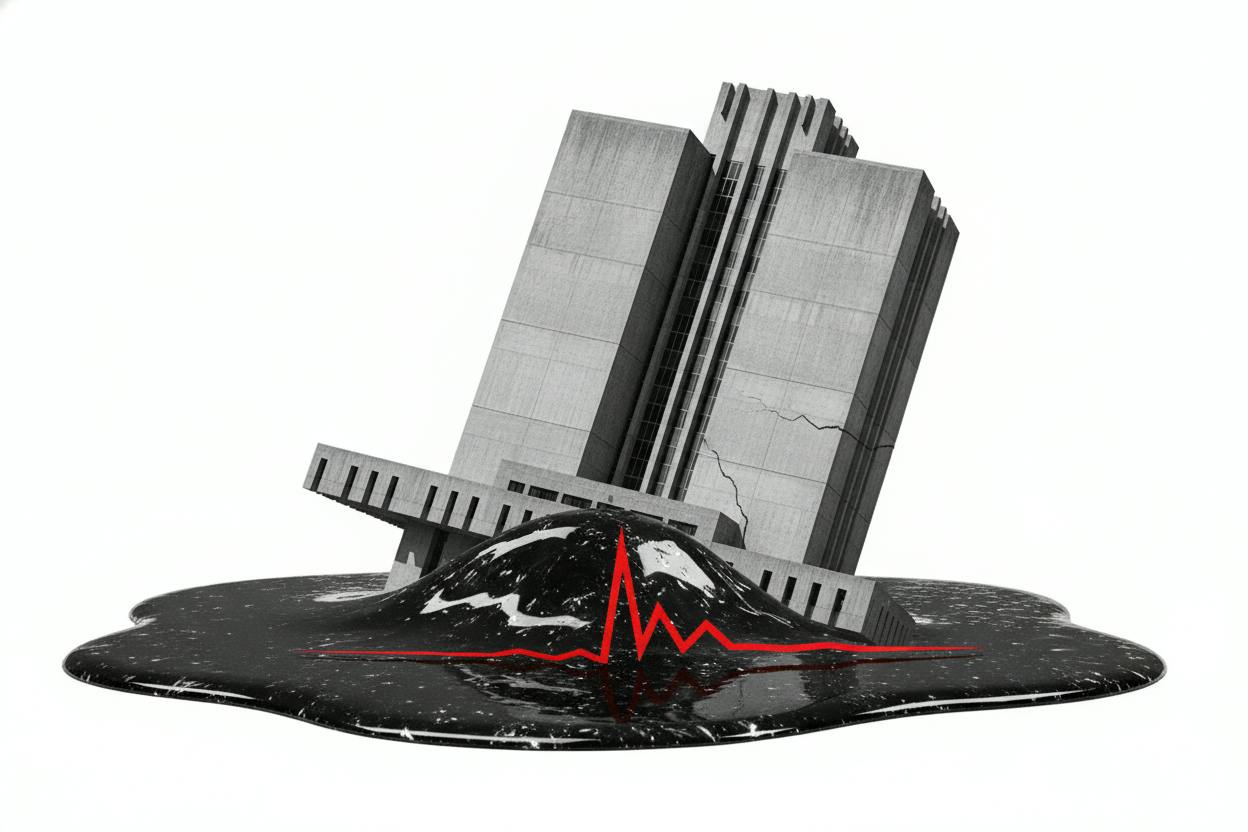
The Federal Reserve delivered a surprise on Wednesday, voting 9-3 to keep interest rates unchanged at a range of 3.5% to 3.75%. The decision came at a time when investors were unusually divided on what the central bank would do, with many expecting a rate hike to combat persistent inflation.
Why the split vote matters
The three dissenting votes signal that not all Fed officials are on the same page about the path forward. The central bank's dual mandate—maximizing employment while keeping prices stable—is pulling policymakers in different directions. On one hand, the labor market remains strong, with unemployment near historic lows. On the other, inflation, while cooling, is still running above the Fed's 2% target.
Inflation dropped to 2.6% last month, but recent data suggests it may have picked up since then. That has kept the Fed cautious, even as some economists argue that higher rates could slow the economy too much.
What the Fed's decision means for your money
Interest rates shape everything from the returns on your savings account to the cost of borrowing for a home or car. When the Fed holds rates steady, it means those costs won't change for now. But the split vote and lingering inflation concerns suggest that further rate hikes could still be on the table.
For investors, this creates uncertainty. Stock markets had been holding steady in the days leading up to the decision, with many traders betting on a hold. The actual outcome, however, leaves the door open for more tightening, which could weigh on corporate profits and stock valuations.
The broader economic backdrop
The Fed's decision didn't happen in a vacuum. Geopolitical tensions, particularly in the Middle East, have pushed oil prices higher, adding to inflationary pressures. A surge in oil prices can ripple through the economy, raising costs for transportation, manufacturing, and consumer goods. That makes the Fed's job even harder, as it tries to balance fighting inflation with supporting growth.
Bond markets have also been on edge. European bond yields rose ahead of the Fed decision, reflecting global uncertainty. Higher yields can make borrowing more expensive for governments and companies, potentially slowing economic activity.
What investors should watch next
With the Fed holding steady for now, all eyes will be on upcoming inflation data and the central bank's next meeting. If inflation continues to fall, the case for rate cuts later this year could strengthen. But if it picks up again, the Fed may have no choice but to hike.
For everyday investors, the key takeaway is to stay diversified and avoid making big bets based on one decision. Rate decisions are just one piece of the puzzle. Corporate earnings, global events, and economic data all play a role in shaping market performance.
The Fed's split vote is a reminder that even the experts don't always agree on the right path forward. That's why it pays to focus on long-term goals rather than short-term noise.