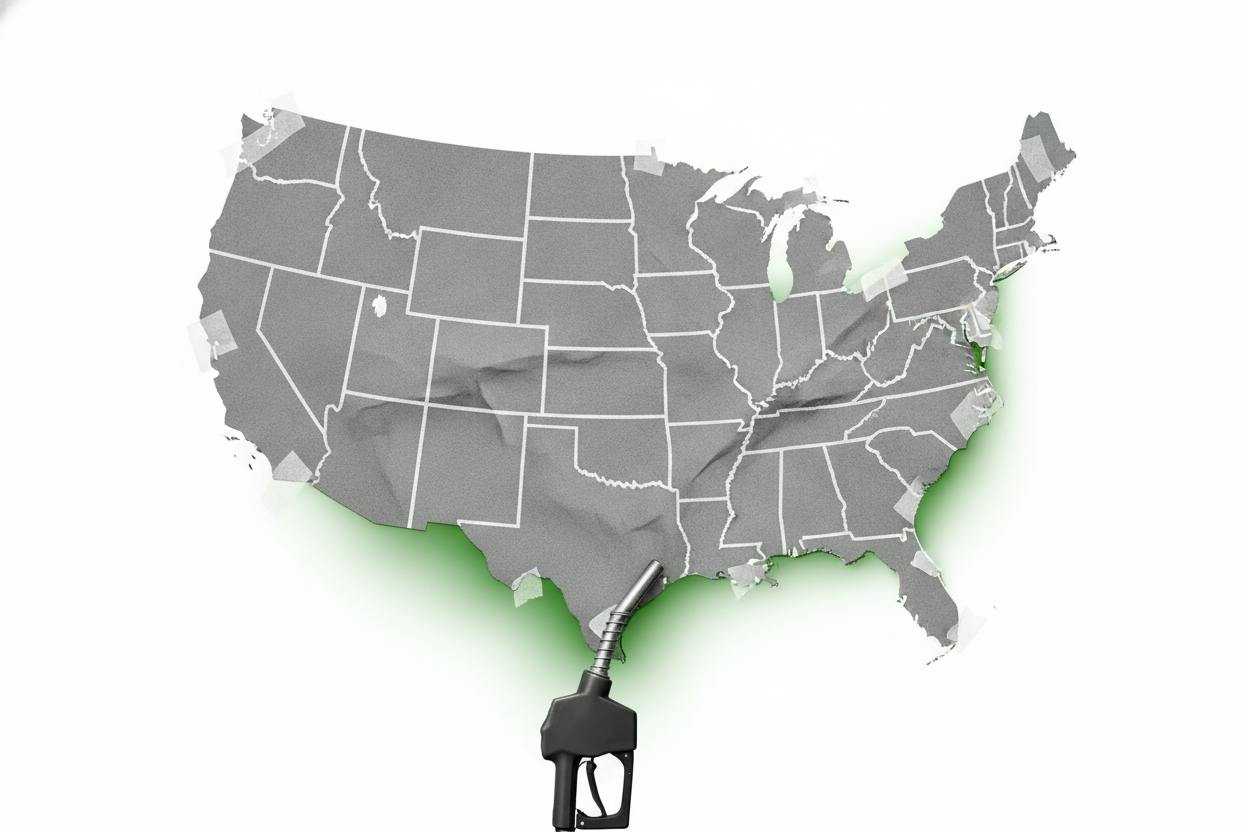
The Federal Reserve's latest Beige Book—a periodic snapshot of economic conditions gathered from business contacts across the country—paints a picture of an economy that is moving forward, but at an uneven pace. The report, released Wednesday, shows that while some regions are seeing modest growth, others are barely treading water, and inflation pressures remain stubbornly present.
What the Beige Book Shows
The Beige Book compiles anecdotal information from the Fed's 12 regional districts, offering a ground-level view of how businesses are faring. In this edition, the overall tone was described as "steady but soft" rather than accelerating. Two districts reported moderate growth, three saw modest growth, four reported slight growth, and three saw no meaningful change from the previous report.
Consumer spending, a key driver of the US economy, was largely stagnant. The Fed noted that "most districts reported little or no change" in consumer spending, with several regions flagging auto sales that were flat to modestly lower. This suggests that households may be pulling back on discretionary purchases, possibly due to lingering inflation and higher borrowing costs.
At the same time, the report highlighted that energy prices and input costs continue to keep inflation pressures in play. Businesses across various sectors are still facing higher costs for materials, transportation, and energy, which could translate into continued price increases for consumers.
Why This Matters for Investors
For everyday investors, the Beige Book is more than just a bureaucratic document—it's a window into the health of the economy and a signal for what the Fed might do next. The uneven growth pattern suggests that the economy is not overheating, which could give the Fed room to hold interest rates steady. However, the persistence of inflation pressures means that the central bank is unlikely to declare victory over rising prices anytime soon.
This mixed picture has implications for different parts of the stock market. Companies that rely heavily on consumer spending, such as retailers and automakers, may face headwinds if demand remains soft. On the other hand, businesses with pricing power—those able to pass on higher costs to customers—might be better positioned to protect their margins.
The report also echoes broader trends seen in other economic data. For instance, China's factory prices have jumped, but consumer inflation there remains muted, a reminder that input cost pressures are a global phenomenon. Similarly, India's consumer goods giants are facing a margin squeeze as input costs climb, illustrating that companies worldwide are grappling with similar challenges.
What to Watch Next
Investors will be closely watching upcoming economic data and Fed communications for clues about the path of interest rates. The Beige Book's assessment of consumer spending will be particularly important, as it could signal whether the economy is heading for a slowdown or a more sustained period of modest growth.
Energy prices will also be a key factor. If oil and gas costs continue to rise, they could feed into broader inflation, forcing the Fed to keep rates higher for longer. That would have ripple effects across asset classes, from bonds to stocks.
For now, the takeaway for investors is that the economy is not collapsing, but it's also not firing on all cylinders. This suggests a cautious approach may be warranted, with a focus on companies that can navigate a slow-growth, high-cost environment. As always, diversification and a long-term perspective remain essential tools for weathering economic uncertainty.
The next Beige Book release will be watched for signs of whether the patchwork economy is stitching together into a more cohesive recovery—or whether the unevenness persists.