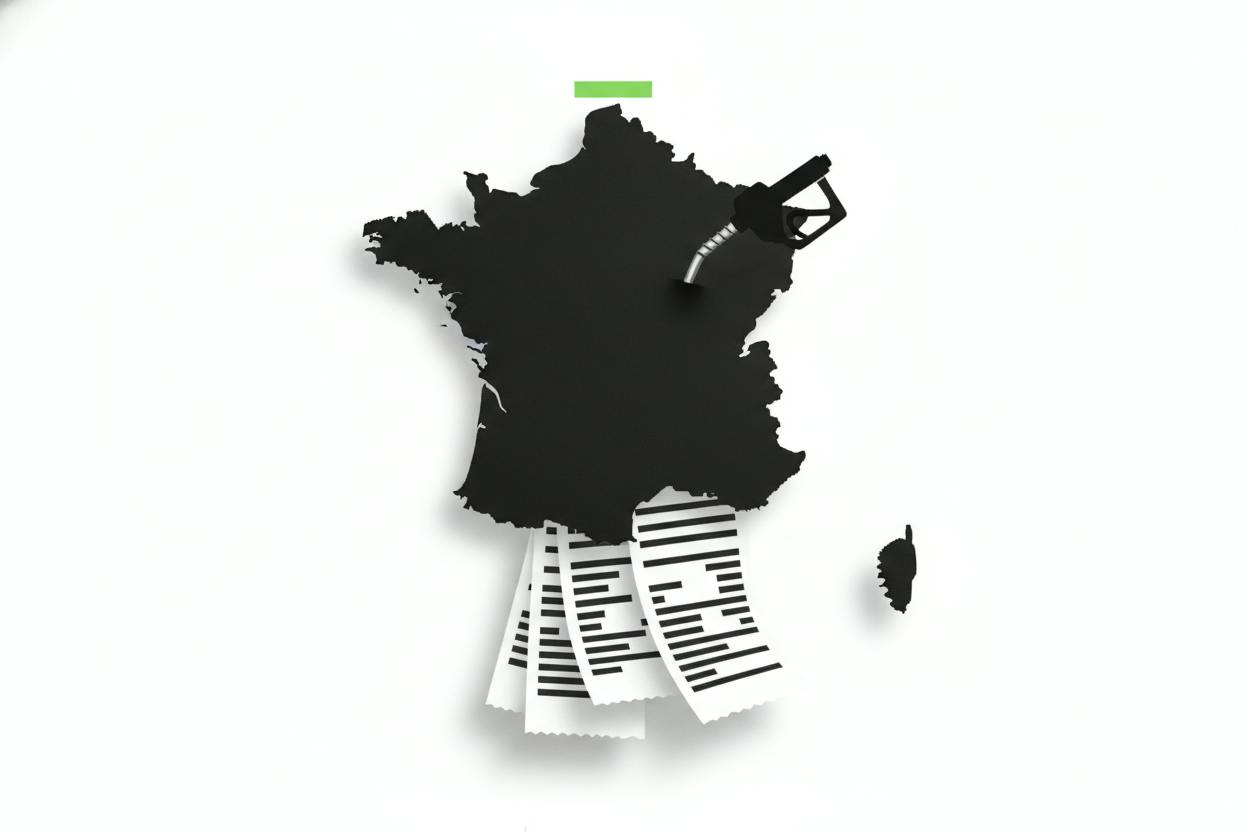
France's economy continues to struggle for momentum. The Bank of France estimates that gross domestic product (GDP) expanded by just 0.1% in the third quarter compared with the previous three months. That's a meager pace that underscores the challenges facing the eurozone's second-largest economy.
The central bank's preliminary reading points to a familiar pattern: a resilient services sector is doing the heavy lifting, while manufacturing, construction, and agriculture all lost ground. The slight overall gain was enough to avoid a contraction, but it leaves France's growth trajectory looking fragile.
What's behind the slowdown?
The Bank of France's estimate is based on a monthly business survey, which gives an early snapshot before official statistics are published. The 0.1% quarter-on-quarter figure is a slowdown from the previous quarter's pace, though the brief doesn't specify the earlier number.
Services—which include everything from tourism and retail to financial and professional services—have been the main support. But the industrial sector is clearly struggling. Manufacturing output has softened, and construction and agriculture are also reported to be weak. This split is typical of an economy where consumer spending on services remains relatively steady, but investment and export-oriented industries face headwinds.
Adding to the concern is the cost of fuel. Rising energy prices are worrying executives, as they squeeze profit margins and raise costs for businesses that depend on transportation and heating. Higher fuel costs can also feed into broader inflation, which erodes household purchasing power and can dampen consumer demand.
Why this matters for investors
For everyday investors, France's sluggish growth is more than just a statistic. It affects the earnings outlook for companies with significant exposure to the French market, from luxury goods makers to industrial firms and banks. When an economy barely grows, corporate revenues tend to stagnate, and that can weigh on stock prices.
The weakness also has implications for the European Central Bank (ECB). With inflation still a concern, the ECB has been keeping interest rates relatively high. But slow growth could push the central bank to consider rate cuts sooner than previously expected. Lower rates would reduce borrowing costs for businesses and households, potentially giving the economy a boost, but they would also mean lower returns on savings accounts and bonds.
France's fiscal situation is another factor to watch. The government has been trying to rein in its budget deficit, and weak growth makes that harder because tax revenues grow more slowly. This is reflected in the rising premium France pays to borrow compared with Germany, which recently climbed back to 142 basis points. A wider spread signals that investors see more risk in French debt, which can push up the government's borrowing costs and, in turn, affect the broader economy.
What to watch next
The Bank of France's estimate is just a preliminary reading. The official GDP figures from the national statistics agency, INSEE, will provide a more complete picture, but they are unlikely to diverge dramatically from this early estimate.
Investors will also be watching the trajectory of fuel prices. If energy costs continue to rise, they could further dampen manufacturing and consumer spending. On the other hand, if the ECB begins to cut interest rates, that could provide some relief to the economy and support asset prices.
For those with exposure to European equities, the sluggish growth is a reminder that the region's recovery remains uneven. While services have held up, the industrial sector is clearly facing headwinds. This is similar to the pattern seen in other European economies, where UK growth is also expected to cool as interest rates stay higher for longer.
In the meantime, France's economy is treading water. The 0.1% growth rate is barely enough to keep pace with population growth, meaning living standards are essentially flat. For investors, that's a signal to be cautious about companies that are heavily reliant on French domestic demand, while keeping an eye on those that can generate growth from overseas markets.
As always, the key is to focus on the long term. A single quarter of weak growth doesn't necessarily change the investment thesis for a well-diversified portfolio, but it does highlight the importance of staying informed about the economic backdrop.