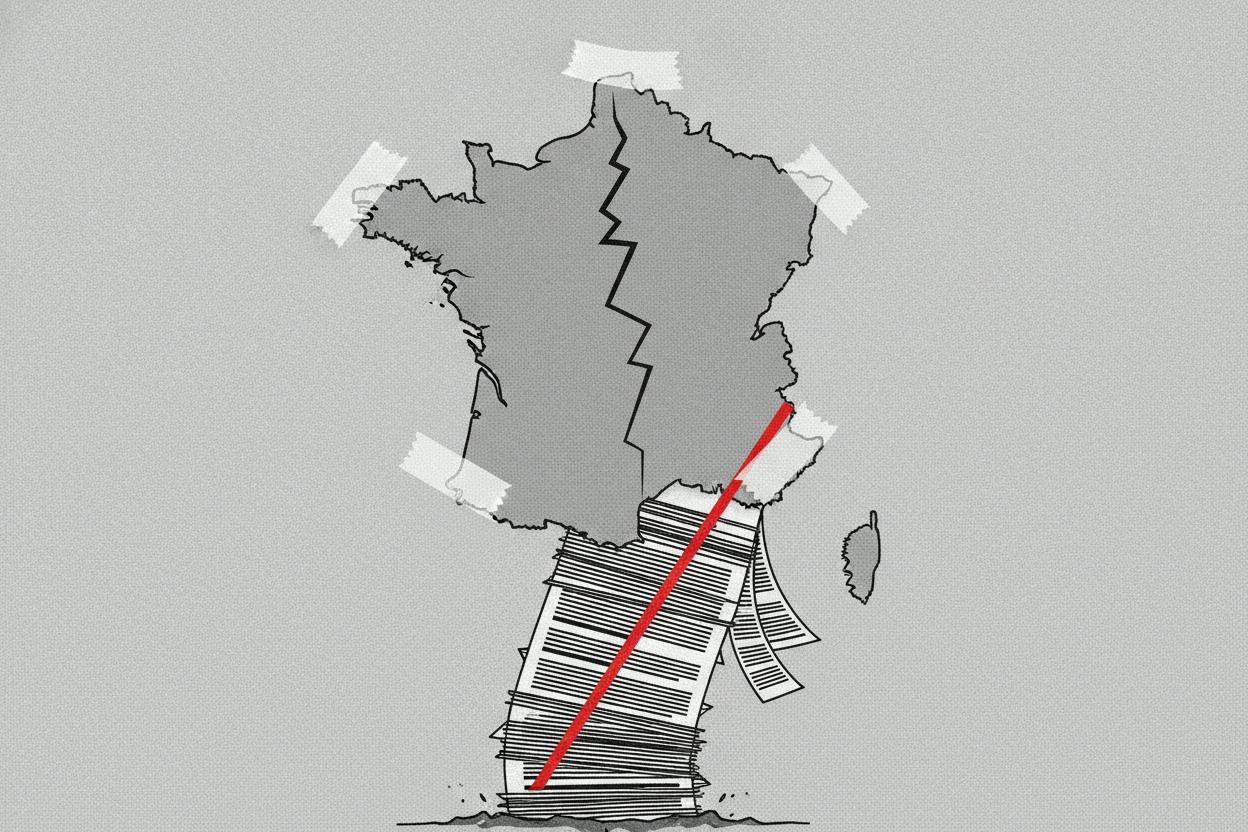
European stocks closed lower on Monday as fresh unrest in France weighed on sentiment, with the country's benchmark CAC 40 falling 1.38% and the broader STOXX Europe 600 slipping 0.79%. The declines came as investors also braced for a busy week of corporate earnings that could set the tone for markets in the coming days.
What's driving the sell-off?
The immediate trigger was a weekend of violent protests in France, which raised concerns about political stability and the government's ability to push through reforms. Markets don't just watch elections and budgets in France – they also watch the street. When protests escalate, investors start to worry about the potential for policy paralysis or even a change in government, which could affect fiscal policy and economic growth.
That anxiety showed up in the bond market. Investors demanded a bit more compensation for holding French government debt, and Reuters noted renewed pressure on those bonds. When government bond yields rise, it's often a sign that investors see higher political and fiscal risk. That can quickly spill into bank shares, because big lenders hold plenty of domestic sovereign bonds and use them as collateral for funding. If bond prices fall, banks' balance sheets take a hit, and their shares tend to follow.
Why it matters for investors
For everyday investors, the key takeaway is that political events can move markets, even in developed economies like France. The CAC 40's drop was sharper than the broader European index, which shows that the unrest is hitting French assets hardest. But the ripple effects spread across the region, as the STOXX Europe 600 also fell.
Investors are also looking ahead to a packed week of earnings. Many of Europe's biggest companies are set to report quarterly results, and those numbers could either calm nerves or add to the gloom. If earnings come in strong, they might offset some of the political worries. If they disappoint, the sell-off could deepen.
What to watch next
Beyond earnings, investors will be watching for any signs that the protests are spreading or intensifying. The situation in France is fluid, and markets could react sharply to any new developments. Also on the radar are central bank meetings, as the euro has already slipped on the unrest, and any further weakness could affect European exporters.
For now, the message from the market is clear: political risk is back on the table in Europe. Investors should be prepared for more volatility, especially in French stocks and bonds. But it's also worth remembering that markets often overreact to short-term events, and the fundamentals of many European companies remain solid.
The bottom line
Monday's decline is a reminder that politics and markets are closely linked. The French protests are a reminder that even in the eurozone's second-largest economy, social unrest can quickly translate into market moves. As the week unfolds, earnings will provide a fresh test of whether investors can look past the headlines and focus on corporate fundamentals.



