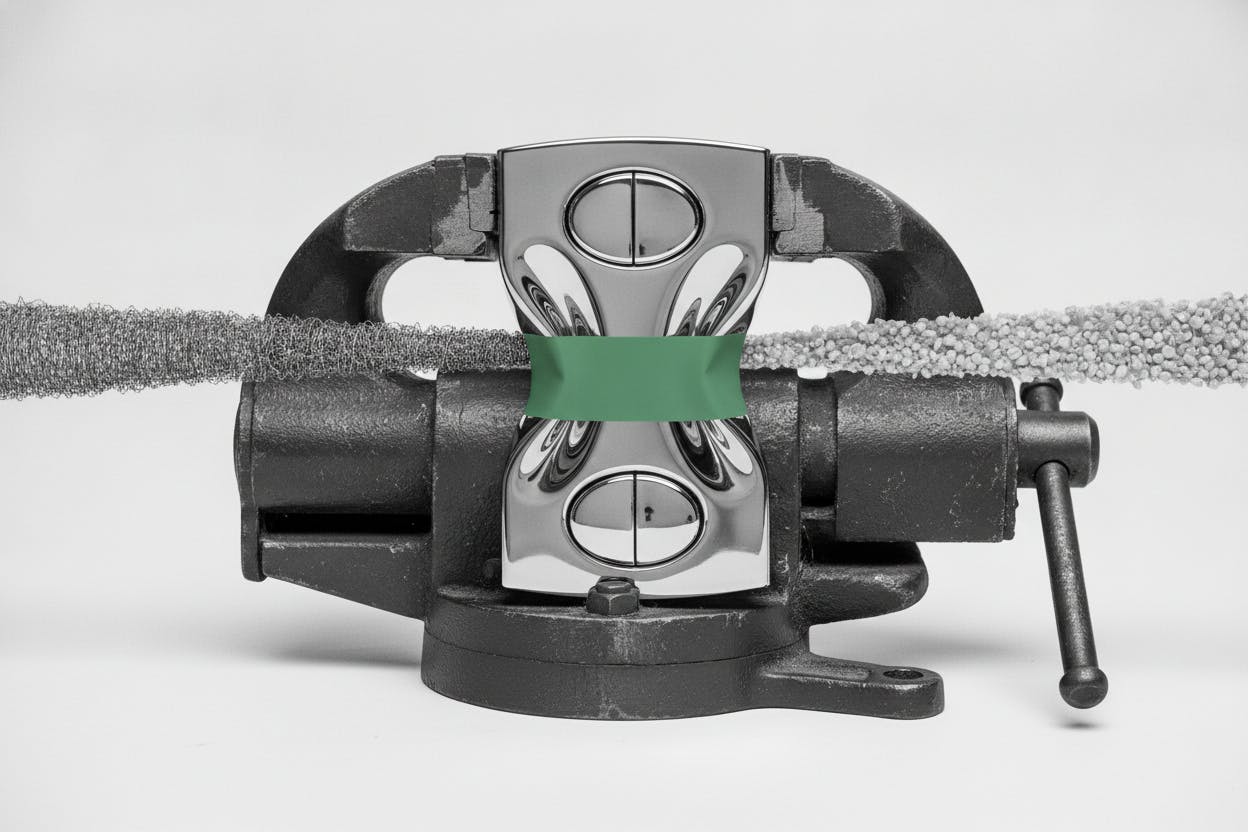
Swiss plumbing supplier Geberit delivered a stronger-than-expected second quarter, thanks to price increases that helped offset a sharp rise in raw material costs. The company reported sales growth of 6.6% and a profit measure that came in ahead of analyst forecasts, signaling that it can pass higher input costs onto customers without losing momentum.
What happened?
Geberit, which makes bathroom and plumbing products such as toilets, pipes, and fittings, said sales climbed to 838 million Swiss francs in the second quarter, up 6.6% from a year earlier. That beat the 810 million francs analysts had expected, according to a Visible Alpha poll cited by Reuters.
The company's EBITDA—a profit measure that adds back interest, taxes, depreciation, and amortization—rose 3.9% to 246.1 million Swiss francs, topping the 238 million francs forecast. Geberit said the improvement came despite a “significant” increase in the cost of plastics and metals, key inputs for its products.
The results show that Geberit's strategy of raising prices to protect margins is working, even as inflation pressures persist across the manufacturing sector. The company also cited higher volumes and efficiency gains as contributors to the beat.
Why it matters
Geberit is a bellwether for the broader building-supplies industry, and its ability to lift prices without crushing demand is a positive sign for investors watching how companies cope with cost inflation. Many manufacturers have been squeezed between rising input costs and cautious consumers, but Geberit's results suggest that strong brands and essential products can command pricing power.
For everyday investors, the key takeaway is that not all companies are equally vulnerable to inflation. Firms with well-known products, loyal customers, and limited competition often have more flexibility to raise prices. That can protect profits even when the cost of raw materials climbs.
The results also come against a backdrop of mixed economic signals. While some recent data, such as US factory output, has been softer than expected, other indicators point to lingering price pressures. Geberit's performance suggests that demand for construction and renovation remains resilient, at least in Europe.
What to watch next
Investors will be watching whether Geberit can sustain its pricing power as raw material costs evolve. If plastic and metal prices continue to rise, the company may need to implement further price hikes, which could eventually test customer tolerance.
Geberit's results also offer a window into the health of the broader European construction sector. Strong sales of plumbing products often reflect activity in new building and home renovations, both of which are sensitive to interest rates and consumer confidence.
In Switzerland, where Geberit is based, the Swiss franc's strength has been a recurring theme for exporters, though Geberit's global footprint helps diversify its revenue. The company's ability to beat forecasts despite currency headwinds and cost pressures is a sign of operational discipline.
What it means for investors
For investors, Geberit's report is a reminder that earnings beats can come from smart pricing strategies, not just rising demand. Companies that can manage costs and maintain margins are often better positioned to weather inflationary periods.
However, it's important to note that past performance doesn't guarantee future results. If raw material costs keep climbing, Geberit may face tougher comparisons in the second half of the year. Analysts will be listening for any commentary on pricing plans and demand trends when the company discusses its results.
Geberit's stock is a component of the Swiss Market Index, and its performance can influence Swiss equities more broadly. A strong earnings season from blue-chip Swiss companies can lift sentiment across the market.
For now, Geberit's ability to beat forecasts while navigating cost pressures is a positive signal, both for the company and for investors who are watching how businesses adapt to a high-cost environment.