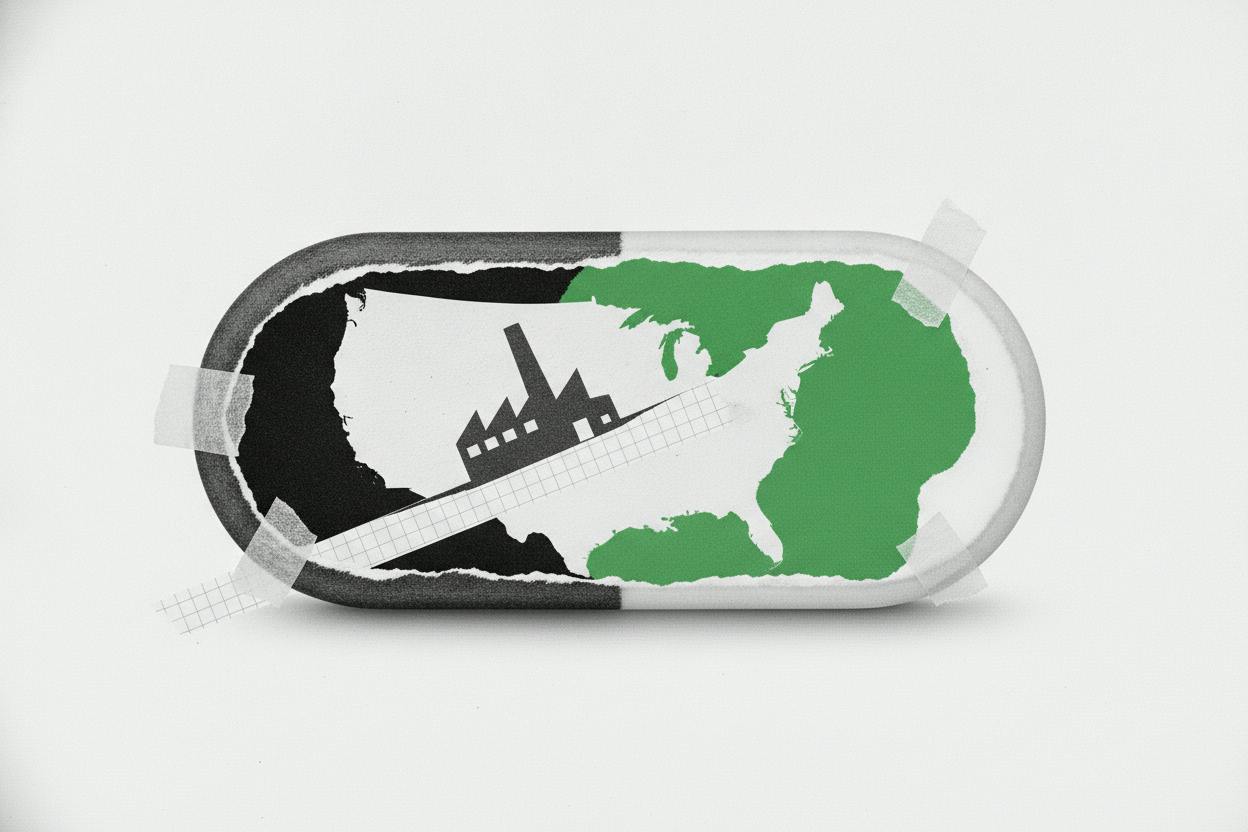
American factories and other industrial sites produced a bit more in July, but the increase fell just short of what economists had anticipated. The Federal Reserve's latest report shows industrial production rose 0.2% last month, slightly below the 0.3% gain forecast in a Bloomberg survey. June's figure was revised up to a 0.3% increase.
What the numbers show
The Fed's industrial production report tracks output from three broad sectors: manufacturing, utilities, and mining. In July, manufacturing and mining each grew 0.2%, while utilities jumped 0.5%. That utility gain is a reminder that the headline number can be swayed by weather-driven power demand as much as by underlying factory momentum.
Capacity utilization—a measure of how much of the nation's industrial capacity is actually being used—ticked up to 76.3%, matching expectations. That's a modest improvement from the previous month and suggests factories are running at a fairly steady pace, though still below the levels seen during stronger economic expansions.
Why this matters for investors
Industrial production is a key gauge of the broader economy's health. When factories are busy, it often signals that businesses and consumers are spending, which can translate into stronger corporate earnings. The fact that output rose but missed forecasts points to an economy that is growing, but not at a breakneck pace.
For everyday investors, this kind of data can influence how the Federal Reserve thinks about interest rates. If the economy is growing steadily without overheating, the central bank may feel less pressure to cut rates aggressively. Conversely, if industrial activity were to weaken sharply, it could raise concerns about a slowdown and prompt the Fed to act more quickly.
The report also offers clues about specific sectors. The rise in utilities output, for instance, often reflects hot summer weather driving up air conditioning use—something that can affect energy stocks. Meanwhile, the steady manufacturing gains suggest that companies like Lumos Robotics, which is seeking factory proof before a possible 2025 IPO, are operating in a supportive environment.
What to watch next
Investors will be keeping an eye on upcoming economic data to see whether this modest growth trend continues. The Fed's next policy meeting will be closely scrutinized for any hints about rate moves. Also on the radar are corporate earnings reports from industrial companies, which can provide a more detailed picture of demand and pricing power.
Globally, factory activity has been mixed. For example, China's steel output hit a six-month low recently as demand and profits weakened, which could have ripple effects on global supply chains. Meanwhile, Canada's factory sales edged up in June, though backlogs hit a record high, suggesting some ongoing supply constraints.
For the average investor, the takeaway is that the US industrial sector is chugging along, but not accelerating. That's consistent with an economy that's cooling gradually from its post-pandemic surge. It's not a reason to panic, but it's also not a signal of booming growth. As always, diversification and a long-term perspective remain the best strategies for navigating these ups and downs.