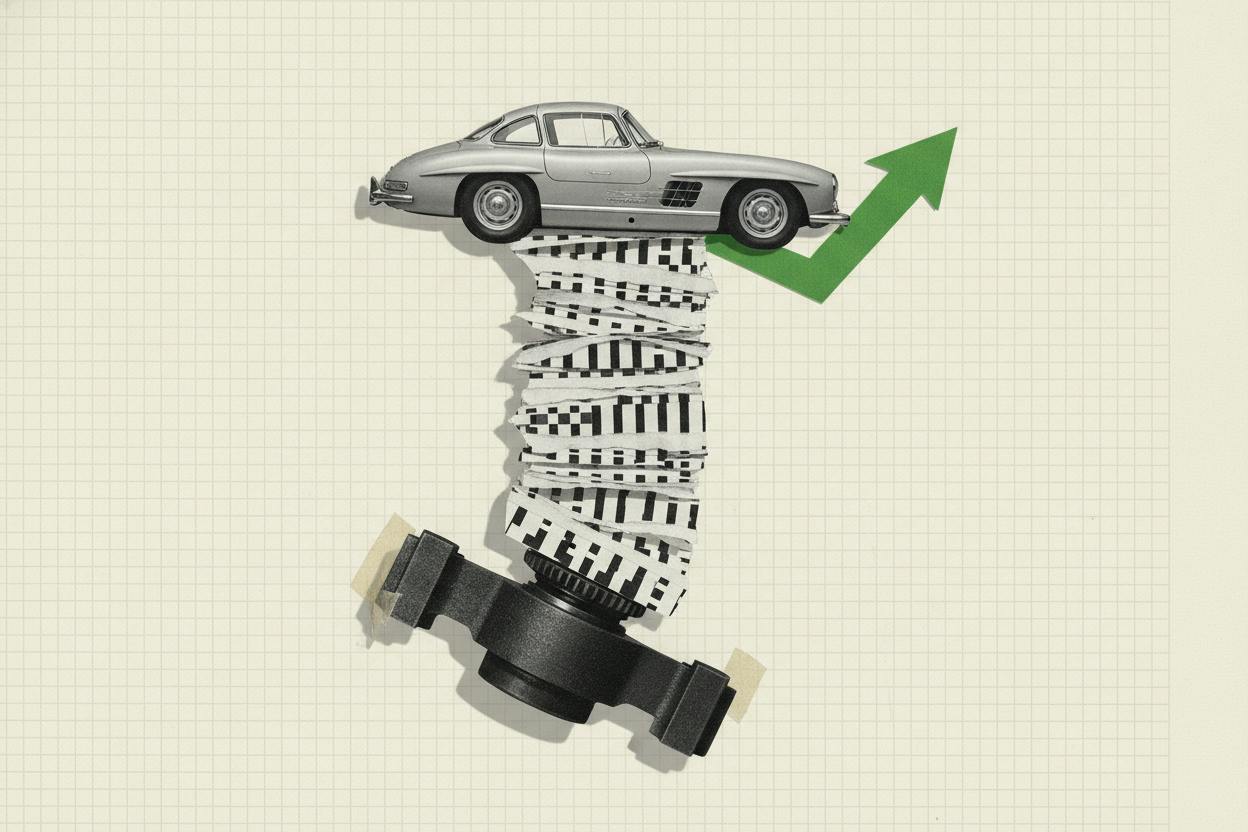
Germany's factories delivered a surprise in September: industrial production rose 0.7% from the previous month, according to data from the country's statistics office, Destatis. The increase beat forecasts for flat output and offered a rare bright spot for Europe's largest economy, which has been grappling with a manufacturing slowdown.
The main driver was a sharp rebound in the automotive sector, where output jumped 17.1% month over month. That surge helped offset declines elsewhere, including a 2.6% drop in construction and a 6.5% slide in machinery and equipment. Pharmaceuticals rose 8%, and energy-intensive industries edged up 0.8%.
Why the auto surge may not last
Economists at ING were quick to temper enthusiasm, describing the September figure as more of a post-holiday bounce than a lasting turnaround. The summer months often see production disruptions due to factory shutdowns and vacations, and September typically brings a rebound as plants resume full schedules. The 17.1% jump in car output likely reflects that seasonal catch-up rather than a fundamental improvement in demand.
Germany's manufacturing sector has been under pressure for some time, facing high energy costs, weak export demand, and structural challenges in key industries like autos. The country's industrial production has been volatile, with monthly swings often driven by one-off factors. Investors should be cautious about reading too much into a single month's data.
What it means for investors
For everyday investors, the report is a reminder that economic data can be noisy. A single month's production figure doesn't necessarily signal a trend. The broader picture remains one of a manufacturing sector that is struggling to gain momentum, even as some pockets—like pharmaceuticals—show resilience.
The auto sector's bounce is notable, but it comes amid a broader transition in the industry. Carmakers are investing heavily in electric vehicles and software, and some are adjusting production lines to prepare for new models. That transition can create short-term volatility in output numbers.
For investors with exposure to German or European equities, the data may offer some reassurance that the economy isn't in freefall, but it doesn't signal a robust recovery either. The European Central Bank has been cutting interest rates to support growth, and German bond yields have recently fallen as investors seek safety, reflecting ongoing concerns about the region's economic outlook.
Looking ahead
Investors will be watching upcoming data releases for signs of whether the September bounce extends into October. Key indicators include industrial orders, which provide a forward-looking view of production, and business sentiment surveys. A sustained recovery would require improvements in export demand, particularly from Asia and the U.S., as well as a resolution of energy cost pressures.
In the meantime, the mixed data underscores the uneven nature of the German economy. While some sectors like autos and pharmaceuticals show strength, others—such as construction and machinery—remain weak. For investors, diversification across sectors and regions remains a prudent approach, as the economic outlook remains uncertain.
As always, it's important to focus on long-term trends rather than monthly noise. The September production data is a useful data point, but it's just one piece of the puzzle.