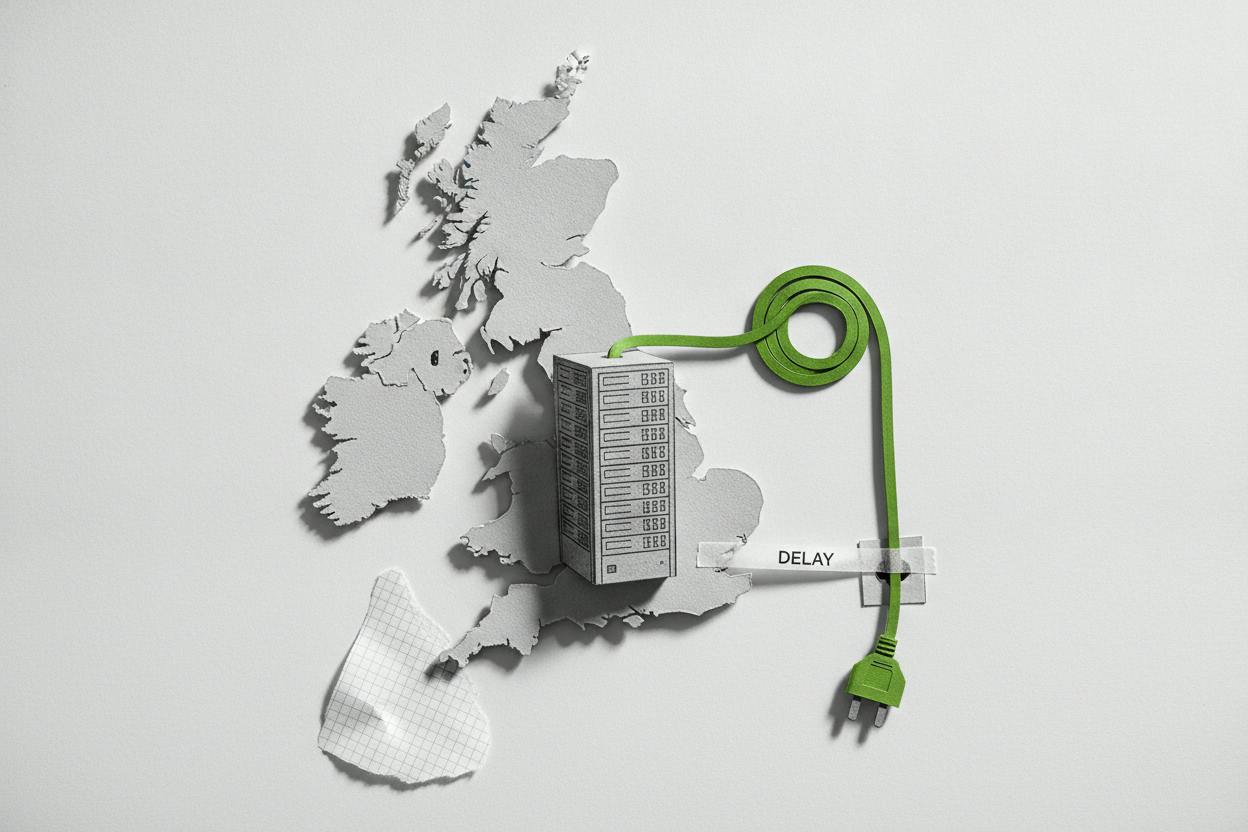
Germany's cabinet is expected to approve a sweeping 152-measure plan aimed at making it easier for startups to hire talent, raise capital, and grow within the country, according to a government document seen by Reuters. The initiative, which includes extending the Future Fund beyond 2030, signals Berlin's push to strengthen its innovation ecosystem and compete with other global tech hubs.
What the Plan Includes
The plan focuses on two main areas: attracting more private investment and reducing bureaucratic hurdles for young companies. Key measures include extending the Future Fund, a state-backed investment vehicle that provides capital to startups, beyond its current 2030 sunset date. The government also aims to simplify hiring processes, making it easier for startups to bring in skilled workers from abroad and offer competitive compensation packages.
Other proposals reportedly target tax incentives for investors, streamlined visa procedures for foreign founders, and reduced red tape for company formation and fundraising. The broad scope reflects Germany's recognition that its startup ecosystem lags behind the United States and parts of Asia in terms of venture capital availability and scaling success.
Why Germany Is Acting Now
Germany has long been Europe's economic powerhouse, but its startup scene has struggled to produce the kind of billion-dollar exits seen in the US or China. High labor costs, complex regulations, and a conservative investment culture have often pushed promising founders to relocate to friendlier jurisdictions. The new plan aims to reverse that trend by making Germany more attractive for both entrepreneurs and the investors who back them.
The extension of the Future Fund is particularly significant. Launched in 2021 with €10 billion in commitments, the fund was designed to bridge the gap between early-stage venture capital and later-stage growth funding. By extending it beyond 2030, the government signals a long-term commitment to supporting startups through their most capital-intensive phases.
This move also comes as private markets gain traction among wealthy individuals and institutions. For context, Goldman Sachs recently merged its private investing teams for wealthy clients, and opened a private markets platform for wealthy clients, reflecting growing demand for alternative assets like startup equity.
What It Means for Investors
For everyday investors, the plan could open up new opportunities to participate in Germany's startup growth. If the measures succeed in attracting more private capital, it may lead to more initial public offerings (IPOs) and secondary market listings from German startups, giving retail investors a chance to buy shares in companies that previously stayed private longer.
However, the impact won't be immediate. Startup ecosystems take years to develop, and the plan's success depends on effective implementation. Investors should watch for concrete changes in visa rules, tax treatment of startup investments, and the actual deployment of Future Fund capital. If the plan works, it could also boost Germany's broader economy by creating high-skilled jobs and fostering innovation in sectors like tech, biotech, and green energy.
On the flip side, the plan does not address some structural challenges, such as Germany's relatively small venture capital market compared to the US. While the Future Fund extension helps, private investors will still need to step up. The government's ability to crowd in private capital will be a key metric to monitor.
For those invested in German equities, the plan could be a positive long-term signal. Companies that supply services to startups—like office space providers, cloud computing firms, or recruitment agencies—might see indirect benefits. But as always, diversification remains important. No single policy change guarantees market outperformance.
Broader Context
Germany's push comes at a time when other European countries are also vying to become startup hubs. France, for instance, has launched its own initiatives to attract tech talent and venture capital. The competition for innovation leadership is intensifying, and Germany's 152-point plan is a clear bid to stay in the race.
Meanwhile, the global economic backdrop is mixed. Germany's factory order backlog hit a record high in May, showing that industrial demand remains strong despite supply chain constraints. This resilience could provide a tailwind for startups serving the manufacturing sector, such as industrial software or automation firms.
On the energy front, oil prices have topped $85 amid geopolitical tensions, which could increase costs for startups and their investors. Higher energy prices may squeeze margins for young companies that are not yet profitable, making the government's capital support even more critical.
In the private credit space, investors face steep discounts to exit non-traded BDCs, highlighting the risks of illiquid investments. This serves as a reminder that startup investing, while potentially rewarding, carries significant liquidity and valuation risks. The German plan's emphasis on extending the Future Fund may help mitigate some of those risks by providing a stable source of growth capital.
Looking Ahead
The cabinet's sign-off is the first step. The measures will then need to be implemented through legislation and regulatory changes. Investors should track progress over the coming months, particularly on visa reforms and tax incentives, which are often the most impactful for startup ecosystems.
If Germany executes well, the plan could transform its startup landscape and create new investment opportunities. If not, it may join a long list of well-intentioned government initiatives that failed to move the needle. Either way, the 152-point plan is a clear signal that Berlin is serious about innovation—and that's a development worth watching.