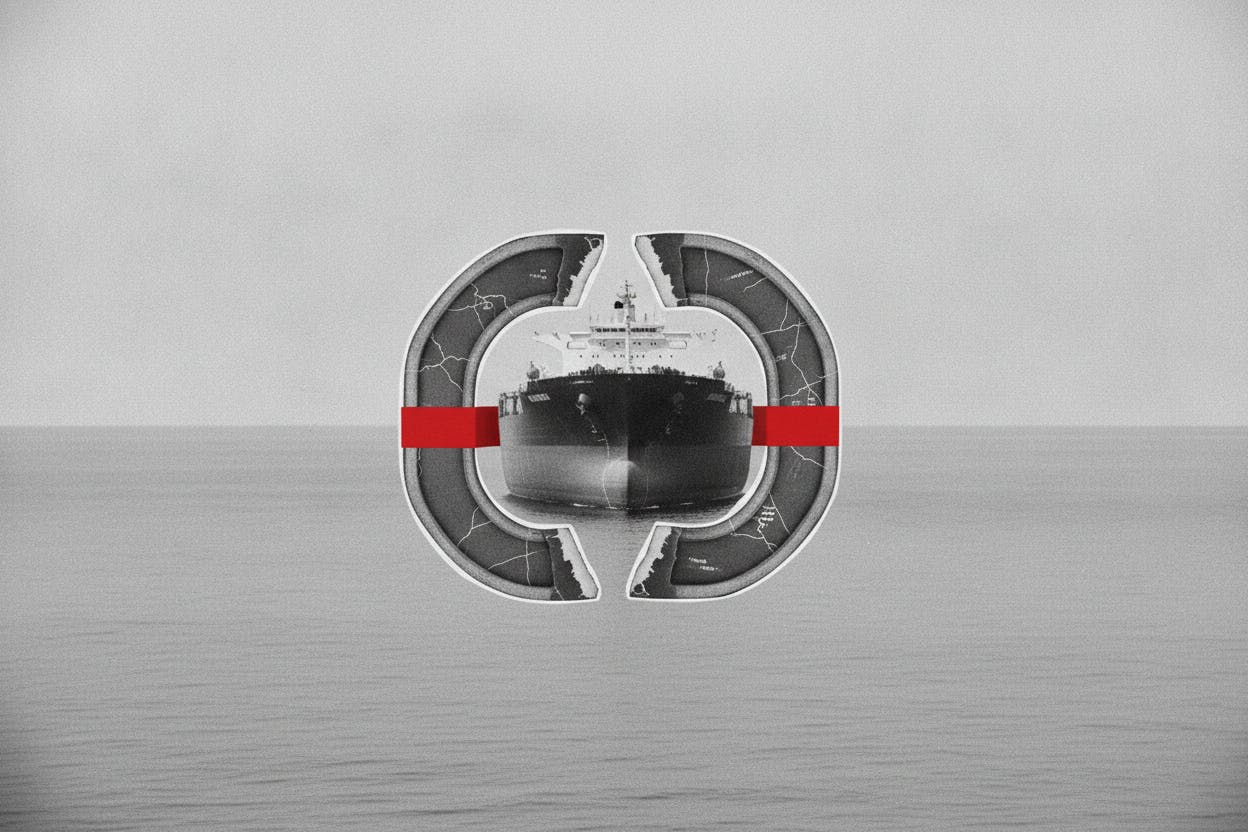
Oil prices jumped on Monday after a Reuters report revealed that Iran has instructed Yemen's Houthi rebels to prepare to shut the Bab el-Mandeb strait — a narrow waterway that serves as a critical gateway into the Red Sea. The warning came as a potential response if the United States strikes Iranian power infrastructure, escalating tensions in a region already on edge.
Brent crude, the global benchmark, rose 1.09% to $85.88 a barrel, while West Texas Intermediate (WTI), the U.S. benchmark, gained 1.12% to $80.49. The moves reflect growing concern among traders that supply disruptions could shift from oil production sites to the shipping routes that carry crude to refineries and markets worldwide.
What Is Bab el-Mandeb and Why Does It Matter?
The Bab el-Mandeb strait, located between Yemen and Djibouti, connects the Red Sea to the Gulf of Aden and the Indian Ocean. It is one of the world's most important maritime chokepoints for oil and natural gas shipments. According to data firm Kpler, roughly 7.4 million barrels per day of petroleum moved through the strait in June — a significant portion of global seaborne trade.
Closing the strait would force tankers to take a much longer route around the southern tip of Africa, adding days to transit times and raising shipping costs. This would not only affect crude prices but also ripple through refined products like gasoline and diesel, potentially hitting consumers at the pump.
The Houthis, a Yemeni rebel group backed by Iran, have previously targeted ships in the Red Sea during the ongoing conflict in Yemen. A coordinated effort to shut Bab el-Mandeb would represent a major escalation, as it could effectively block a key artery for global energy flows.
Broader Context: Strait of Hormuz Already Under Pressure
The warning over Bab el-Mandeb comes as the Strait of Hormuz — another vital chokepoint at the mouth of the Persian Gulf — is already seeing reduced traffic due to heightened tensions. Iran has long threatened to disrupt shipping through Hormuz, through which about 20% of the world's oil passes. The combination of both straits being at risk amplifies the potential for supply shocks.
For investors, this means the risk premium embedded in oil prices is rising. While actual disruptions have not yet occurred, the market is pricing in the possibility that they could. This is a classic pattern in geopolitical oil trading: prices spike on the threat of disruption, then either hold or retreat depending on whether the threat materializes.
Earlier this week, we noted that oil prices dipped as traders weighed the real risk of Strait of Hormuz disruption, but the latest news has reversed that dip. The situation remains fluid, and any further escalation could push prices higher.
What It Means for Investors
For everyday investors, rising oil prices have several implications. First, energy stocks often benefit from higher crude prices, as their profits are tied to the price they can fetch for each barrel. However, the relationship is not always straightforward — as we saw recently when oil prices jumped to $80+ but energy stocks stayed flat, suggesting that investors may already have priced in some of the geopolitical risk.
Second, higher oil prices can feed into inflation, as transportation and production costs rise across the economy. This could influence central bank policy, potentially delaying interest rate cuts that markets are hoping for. For bond and stock investors, that means higher-for-longer rates could weigh on valuations.
Third, countries that are net oil importers — like India, which we covered in our note on the rupee nearing a record low as Brent tops $85 — face currency pressure and higher import bills. This can affect emerging market stocks and bonds in your portfolio.
Finally, the broader market sentiment can shift. Rising geopolitical tensions often lead to a flight to safe-haven assets like gold and U.S. Treasuries, while riskier assets like equities may see selling. We saw a similar pattern in Indian stocks set for a flat open as Brent topped $85, reflecting the cautious mood.
What to Watch Next
Traders will be closely monitoring any official statements from Iran, the U.S., or the Houthis. A diplomatic resolution could quickly deflate the risk premium, while any military action could send prices sharply higher. Also watch for weekly U.S. inventory data, which will show whether actual supply is being affected.
For now, the oil market is in a wait-and-see mode, with prices elevated but not yet at panic levels. Investors should stay informed but avoid making hasty moves based on headlines alone. The key is to understand how these risks fit into your broader portfolio strategy, rather than trying to time the next price spike.