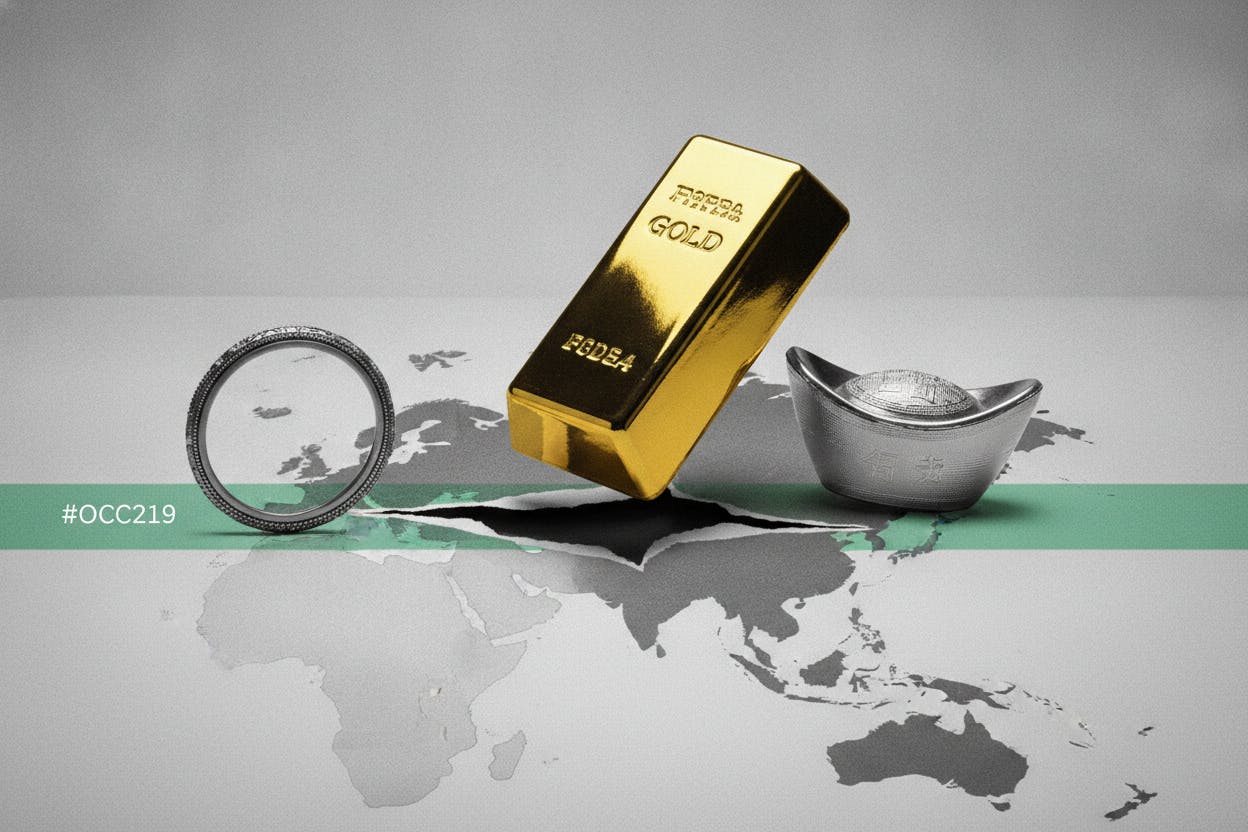
Gold buyers in India are stepping back from the market after prices rebounded from a three-month low, according to a Reuters report. The pullback in demand comes as local prices climbed back toward recent highs, making purchases less urgent for consumers and jewelers. In contrast, Chinese buying has picked up slightly, with traders eyeing the $4,000 per ounce level as a key floor of support.
What's Happening in the Gold Market?
Gold prices had fallen to a three-month low last month, tempting bargain hunters. However, the subsequent rebound quickly reduced the incentive to buy. In India, the world's second-largest gold consumer, dealers told Reuters that local prices jumped back toward recent highs, cooling jewelry demand as the market heads into a seasonally quieter period.
This shift in demand is evident in pricing dynamics. Indian dealers, who had been charging a premium over the official domestic price last week, are now offering discounts of as much as $7 per ounce. This change signals that supply is outstripping demand in the near term.
Meanwhile, in China, the largest gold consumer, buying has picked up slightly. Traders see the $4,000 per ounce level as a support zone, meaning they expect prices to hold above that point. This has encouraged some buyers to step in, though the overall pace remains modest.
Why This Matters for Investors
Gold demand from India and China is a major driver of global prices. When these two countries buy less, it can put downward pressure on gold, and vice versa. The current pause in Indian buying suggests that the recent price rebound may have limited near-term upside, especially if Chinese demand doesn't accelerate further.
For everyday investors, this is a reminder that gold prices are influenced by real-world consumer behavior, not just central bank policies or geopolitical tensions. The fact that Indian dealers are offering discounts indicates that the market is well-supplied for now, which could cap any sharp rallies.
Investors should also watch the rupee's movements, as a stronger rupee makes gold cheaper for Indian buyers, potentially boosting demand. Conversely, a weaker rupee can dampen buying. The recent rebound in the rupee after cooler US jobs data could support Indian gold demand in the coming weeks.
Broader Market Context
Gold prices have been volatile this year, swinging between safe-haven demand and pressure from higher interest rates. The recent bounce from a three-month low came as US economic data showed signs of cooling, reducing expectations for further Federal Reserve rate hikes. This has weakened the US dollar, which typically supports gold.
However, the rebound in gold has been uneven. While Chinese buyers are showing interest at $4,000, Indian consumers are waiting for lower prices. This divergence highlights the fragmented nature of global gold demand.
For investors holding gold or gold-related assets, the key takeaway is that near-term price action may be range-bound. The $4,000 level in China is acting as a psychological floor, but without stronger buying from India, a sustained rally above recent highs may be difficult.
Looking ahead, the market will focus on upcoming US inflation data and Fed policy signals, as these will influence the dollar and gold's appeal. Additionally, any shifts in Indian import duties or Chinese economic stimulus could alter demand dynamics.
What It Means for Your Portfolio
Gold remains a useful diversifier in a portfolio, especially during periods of economic uncertainty. But the current pause in Indian demand suggests that short-term price gains may be limited. Investors should not expect a repeat of the sharp rallies seen earlier this year unless a new catalyst emerges.
If you are considering adding gold, the current environment may favor patience. Waiting for a clearer trend in consumer demand or a pullback toward support levels could offer better entry points. As always, gold should be part of a balanced strategy, not a bet on short-term price moves.
For those interested in broader market trends, the Indian stock market's positive open after US jobs data shows how interconnected global markets are. Similarly, Japan's services rebound and China's NEV sales provide context for the broader economic landscape affecting gold demand.