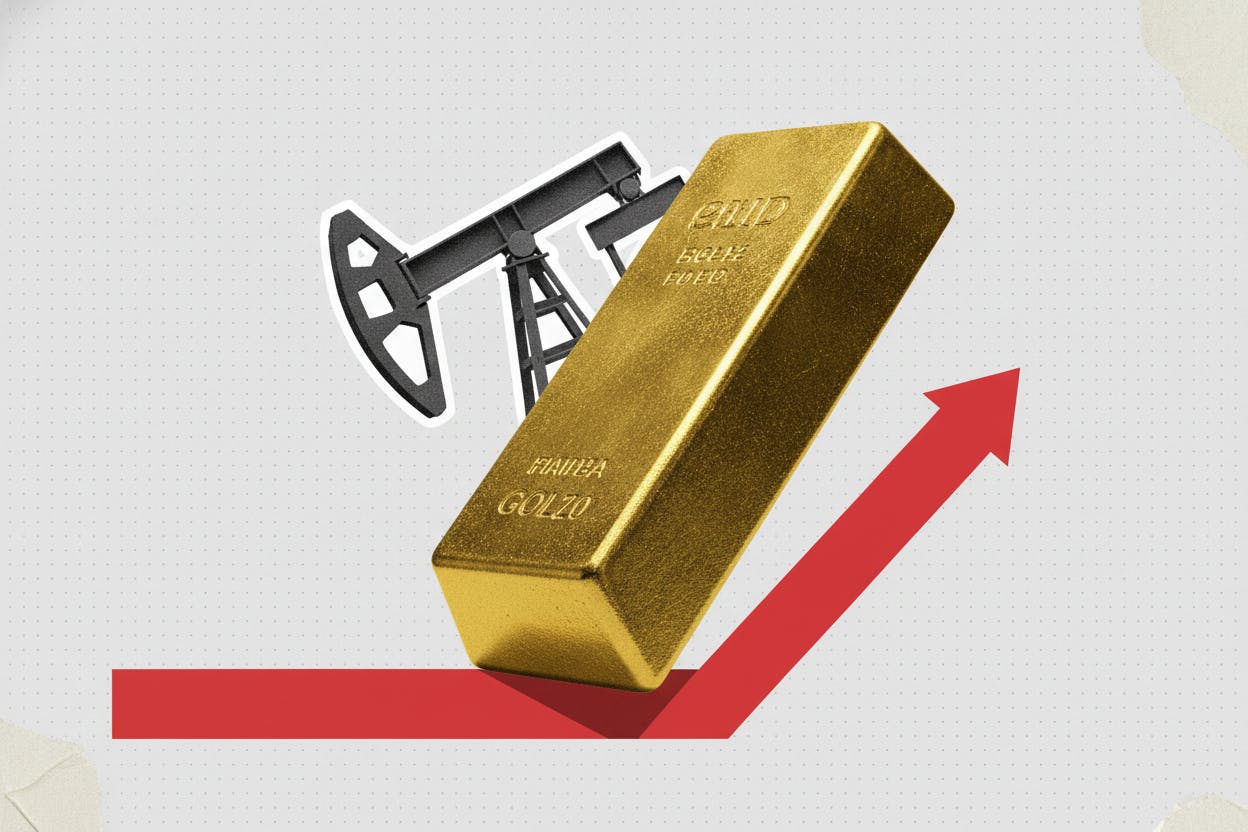
Gold prices edged lower on Thursday, caught in a tug-of-war between its traditional role as an inflation hedge and the reality of rising interest rate expectations. The trigger: a sharp 11% weekly jump in oil prices, driven by escalating conflict between the United States and Iran, which has rekindled fears that the Federal Reserve may need to keep tightening monetary policy.
Why Oil's Rally Is Hurting Gold
The logic is straightforward but powerful for markets. Crude oil is a key input across the global economy, so when its price spikes, it can feed into broader inflation. If investors believe that pressure will persist, they start pricing in higher interest rates for longer. That shift is a direct headwind for gold, which pays no interest or dividends. When rates rise, the 'opportunity cost' of holding gold—what you give up by not owning yield-bearing assets like bonds—increases.
Markets are already leaning that way. According to the CME FedWatch Tool, traders are now pricing in roughly a 73% probability that the Fed will raise rates at its December meeting. That's a notable shift, especially coming on the heels of June data showing both consumer and producer inflation cooling. The oil-driven inflation scare appears to be overriding those more benign readings in the near term.
This dynamic is playing out across asset classes. Japan's long bonds have also wobbled as oil rekindles inflation fears globally, while nickel rallied nearly 2% on Strait of Hormuz supply fears, showing how geopolitical risk is rippling through commodity markets.
The Fed Speakers Test
The next big test for gold—and for broader markets—will come from the Federal Reserve's messaging. Several key officials are scheduled to speak in the coming days, including Fed Governor Lisa Cook, Dallas Fed President Lorie Logan, and Fed Vice Chair Philip Jefferson. Their comments could either reinforce the current rate-hike expectations or soften them, depending on how they interpret the oil price move and its potential impact on inflation.
If the officials signal that the oil spike is transitory and unlikely to derail the disinflation trend, gold could find some relief. But if they emphasize the need to stay vigilant against any inflation resurgence, the December hike probability could climb even higher, putting further pressure on gold prices.
This comes after a period of relative calm for gold. Earlier this month, gold steadied above $4,000 after a surprise drop in US producer prices eased rate hike fears. That relief now looks fragile.
What It Means for Investors
For everyday investors, the key takeaway is that gold's near-term direction is increasingly tied to interest rate expectations rather than backward-looking inflation data. When oil jumps on geopolitical risk, gold can initially look like a natural inflation hedge. But if that same oil shock convinces traders the Fed may tighten more, gold often struggles because the market's expected interest-rate path sets the bar for any asset with no yield.
The 73% December-hike probability is a significant headwind for gold at current levels around $4,029. Investors should watch whether that probability rises or falls after the Fed speakers' remarks. A higher probability would likely mean more downside for gold, while a lower one could allow the metal to recover some ground.
Broader market moves also offer context. The dollar has steadied as Iran tensions lift oil, but soft US inflation data has eased some rate hike fears. Meanwhile, copper slipped on weak China data, though supply woes and the oil surge limited losses, showing how geopolitical and economic forces are interacting across commodities.
For now, gold investors are in a waiting game. The metal's fate hinges on whether the oil-driven inflation scare proves fleeting or becomes a more persistent force that keeps the Fed on a tightening path. The next few days of Fed commentary could provide the answer.