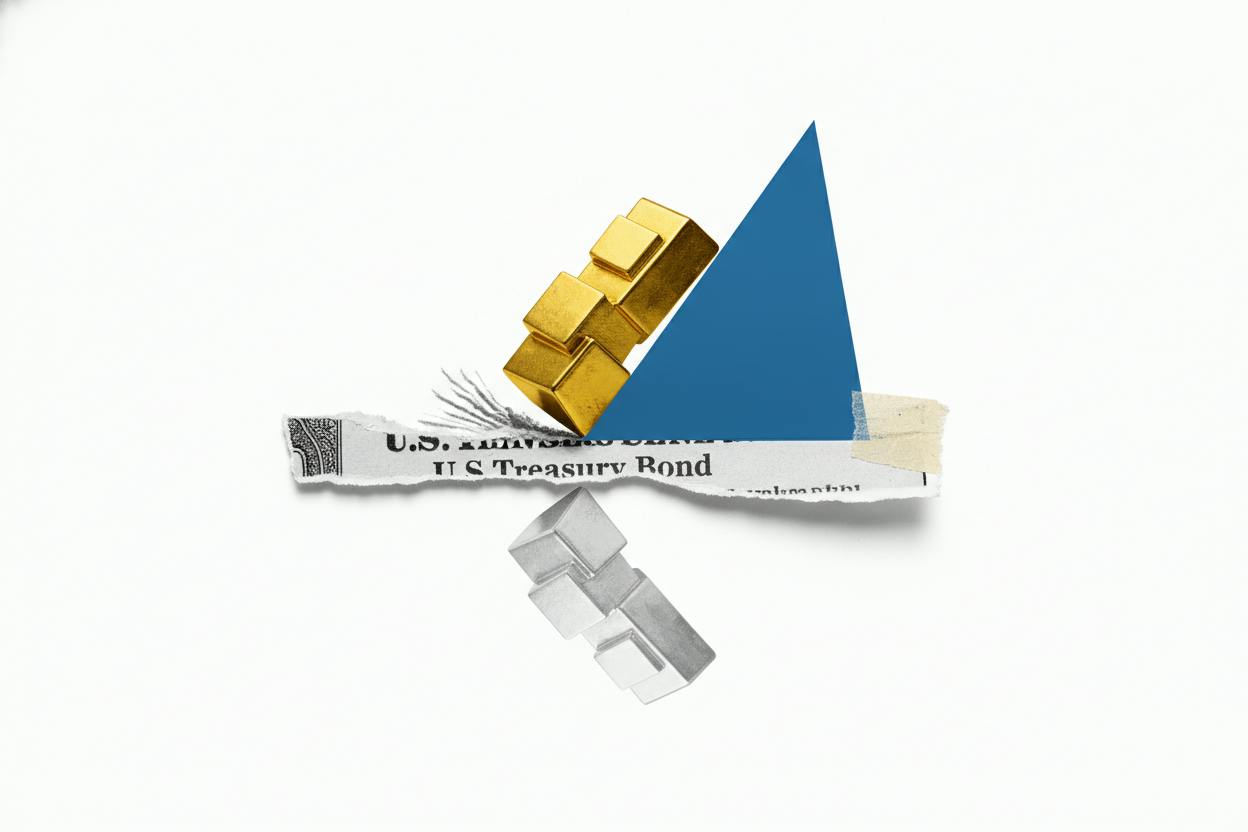
Gold prices took a sharp hit on Wednesday, sliding 1.7% to their lowest level since October 7. The trigger: a hotter-than-expected US inflation report that sent the dollar and Treasury yields climbing, while traders rapidly repriced the odds of another Federal Reserve interest rate hike.
The latest Consumer Price Index (CPI) reading came in above market forecasts, a reminder that the battle against inflation is far from over. In response, the CME FedWatch Tool—a widely watched gauge of market expectations—jumped to roughly a 44% probability of a rate hike at the Fed's meeting later this month, up from about 22% before the data was released. Traders also priced in around a 95% chance of another increase in December.
Why Gold Is Feeling the Heat
Gold is often seen as a hedge against inflation, but in the short term, it is highly sensitive to interest rates. When rates rise, the opportunity cost of holding gold—an asset that pays no interest—increases. Investors can earn a yield on cash or bonds instead, making gold less attractive.
The dollar's strength adds another layer of pressure. Because gold is priced in dollars, a stronger greenback makes the metal more expensive for buyers using other currencies, typically dampening demand. Wednesday's CPI report gave the dollar a boost, and the 10-year Treasury yield also climbed, further undermining gold's appeal.
This dynamic is not new. Gold has been under pressure for much of the past year as the Fed has aggressively raised rates to cool inflation. The latest move is just the most recent chapter in that story.
What the CPI Report Means for the Fed
The CPI report is a key input for the Fed's policy decisions. A hotter-than-expected reading suggests that inflation is proving stickier than hoped, which could push the central bank to keep tightening. The shift in FedWatch probabilities reflects that concern.
Just a day earlier, markets were leaning toward a pause at the upcoming meeting. Now, a hike is nearly a coin flip. This kind of rapid repricing can have ripple effects across asset classes, from bonds to currencies to commodities.
For context, the Fed has been trying to strike a balance between taming inflation and avoiding a recession. If inflation remains elevated, the central bank may have to keep rates higher for longer, which could slow economic growth. That is a scenario that tends to weigh on gold, as real yields rise.
What It Means for Investors
For everyday investors, the immediate takeaway is that gold's slide reflects a broader shift in market expectations. If you hold gold or gold-related investments, you may see continued volatility as long as inflation data remains hot and the Fed stays hawkish.
But it's not all about gold. The same forces that are pressuring the metal—higher yields and a stronger dollar—can also affect stocks, bonds, and emerging market currencies. For instance, European bond yields have also moved higher in response to the US data, and currencies like the South African rand have weakened against the dollar.
Investors should also keep an eye on the Fed's next move. The October rate decision is now a coin flip, and the outcome will have broad implications. If the Fed hikes, it could further strengthen the dollar and push yields higher, adding more pressure on gold. If it pauses, gold might find some relief.
That said, gold has historically served as a long-term store of value and a portfolio diversifier. Short-term price swings are normal, and the metal's role in a portfolio is often about protection against uncertainty rather than quick gains.
Looking Ahead
The next few weeks will be crucial. Investors will be parsing every piece of economic data for clues about the Fed's path. The CPI report has reset the narrative, and rate-cut bets have been pushed back. For gold, the key question is whether inflation will cool enough to allow the Fed to ease off, or whether it will stay hot enough to force more hikes.
In the meantime, expect gold to remain sensitive to every headline. As always, it's wise to focus on your long-term investment goals rather than reacting to daily market moves.