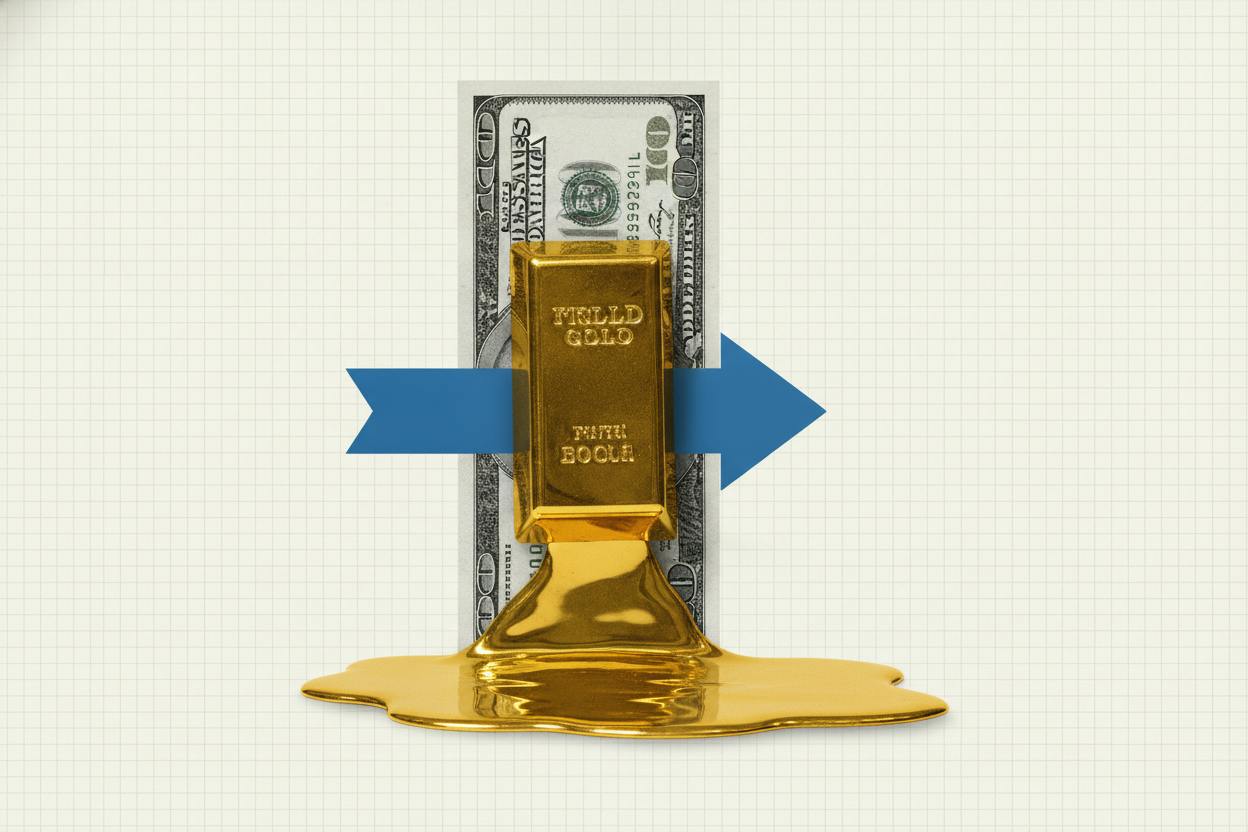
Gold prices tumbled more than 2% on Tuesday, sliding to their lowest level since September, as the US dollar stayed firm and traders grew more convinced that the Federal Reserve will raise interest rates again in December. The move extends a rough stretch for the precious metal, which has been under pressure for weeks as Treasury yields climb and the greenback strengthens.
Why gold is falling
Gold is a classic 'zero-yield' asset—it pays no interest or dividend. That makes it compete directly with assets that do, like cash and government bonds. When the Fed signals it will keep raising rates, expected policy rates rise, which typically pushes bond yields higher and supports the dollar. For gold, that's a double whammy: higher yields raise the opportunity cost of holding a metal that generates no income, and a stronger dollar makes gold more expensive for buyers using other currencies.
That dynamic was on full display after hawkish comments from New York Fed President John Williams and St. Louis Fed President Alberto Musalem. Both policymakers struck a tough tone on inflation, reinforcing market bets that the central bank isn't done tightening. According to CME's FedWatch tool, traders now assign a 97.8% probability to a quarter-point rate hike at the Fed's December meeting—a near-certainty.
The next major checkpoint for investors is the release of the Fed's late-October meeting minutes. As crypto exchange Bybit noted, those minutes could shape whether markets keep pricing a longer run of restrictive policy. If the minutes suggest policymakers are leaning even more hawkish, gold could face further downside.
What it means for investors
For everyday investors, the key takeaway is that gold's slide reflects a broader macro environment that is hostile to non-yielding assets. When a December hike looks locked in, investors can often earn a decent return from cash or high-quality bonds without taking on the price swings of commodities. That shifts the 'required return' for holding gold higher, which can pressure the metal and spill over into the rest of the precious metals complex.
Silver, platinum, and palladium tend to behave like higher-volatility versions of the same trade. They can drop even when they have their own supply-and-demand stories. For instance, the World Platinum Investment Council expects a platinum deficit this year, yet platinum prices have still been dragged down by the broader sell-off in metals.
For those with gold in their portfolios, this is a reminder that gold is often a 'risk-off' hedge, but it doesn't always move in the direction you'd expect. In a rising-rate environment, gold can struggle even when inflation is high, because the opportunity cost of holding it rises. That's why many financial advisors suggest keeping gold as a small part of a diversified portfolio rather than a core holding.
Broader market context
The dollar's strength is a global story, not just a gold one. A firm greenback tends to weigh on commodities priced in dollars, from copper to oil. It also puts pressure on emerging market currencies and can complicate trade for countries with dollar-denominated debt.
In recent weeks, we've seen gold hover near 13-month lows as Treasury yields and the dollar stayed strong. The current slide to a September low is an extension of that trend. Meanwhile, the dollar has paused near April highs as traders keep the December hike in view.
For investors, the watchword is 'patience.' The Fed's next move is widely expected, but the path beyond December is less clear. If inflation cools faster than expected, the Fed could pause, which would likely give gold a reprieve. Conversely, if inflation proves sticky, rates could stay higher for longer, keeping the pressure on bullion.
What to watch next
The Fed's meeting minutes, due for release later this week, will be the next catalyst. Investors will parse the language for any hints about the pace of future hikes. Also on the radar: upcoming US economic data, particularly inflation readings, which could shift the odds of a December move.
For now, the message from the market is clear: the era of cheap money is over, and assets that don't pay interest are feeling the pinch. Whether you're a gold bug or just a curious observer, it's worth keeping an eye on the dollar and the Fed—they're the two forces driving this trade.