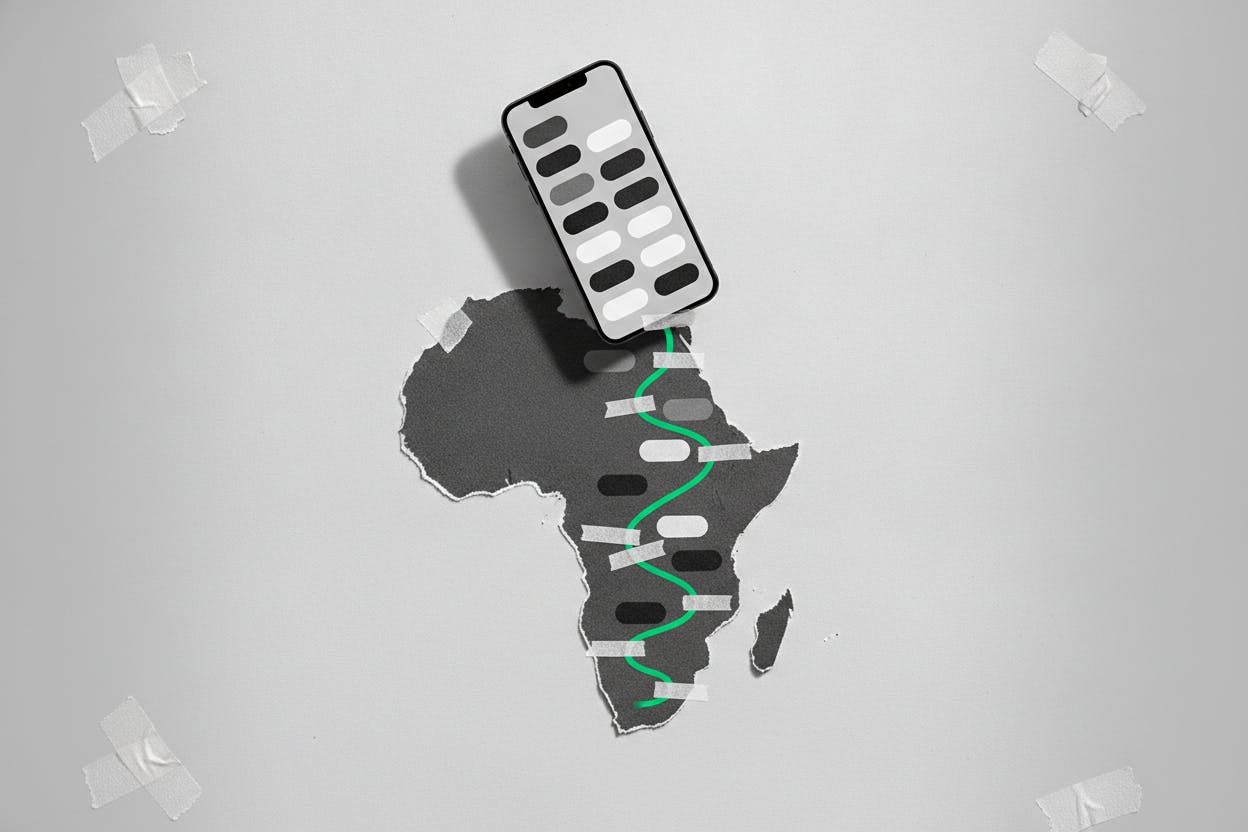
Google has teamed up with actor and producer Idris Elba to launch a roughly $1 million initiative aimed at equipping 100,000 creators across five African countries with access to Gemini, Google's suite of generative AI tools, and other digital resources. The program targets Nigeria, South Africa, Ghana, Kenya, and Sierra Leone, regions where digital content creation is rapidly growing but access to advanced AI tools remains limited.
In addition to the creator training, Google has selected 15 startups to participate in an AI-focused accelerator program that kicks off on July 21. The dual-pronged effort underscores Google's push to expand its footprint in Africa's burgeoning tech ecosystem, where mobile penetration and internet usage are climbing but many creators and small businesses still lack the resources to leverage cutting-edge AI.
What the Initiative Covers
The $1 million fund will provide creators with training on Gemini, Google's multimodal AI model that can generate text, images, and code, as well as other digital tools like YouTube analytics and cloud-based collaboration software. The goal is to help creators produce higher-quality content, automate repetitive tasks, and reach wider audiences. For many, this could mean faster video editing, better scriptwriting assistance, or more personalized audience engagement.
Google's involvement is part of a broader trend of tech giants investing in African talent. The continent has seen a surge in creator economies, with platforms like YouTube and TikTok driving new income streams. However, access to AI tools often requires reliable internet and subscription fees, which can be prohibitive. By offering free training and tool access, Google aims to lower those barriers.
The 15 startups selected for the AI accelerator will receive mentorship, cloud credits, and technical support to build AI-powered solutions for local challenges, such as agriculture, healthcare, and financial inclusion. This mirrors similar programs Google has run in other emerging markets, like India and Brazil, where it has nurtured local innovation ecosystems.
Why Idris Elba Is Involved
Idris Elba, known for his roles in films like Luther and The Wire, has been an active advocate for African creative industries. He has previously launched initiatives to support filmmaking and music production in the continent, including a partnership with the UN to boost rural development. His involvement lends star power and credibility to the project, potentially attracting more attention from global investors and creators.
Elba's focus on Africa is personal: he has roots in Sierra Leone and Ghana, and has spoken about the untapped potential of African storytellers. By aligning with Google, he is betting that AI can democratize access to production tools that were once reserved for well-funded studios. This could help African creators compete on a global stage, from YouTube channels to Netflix productions.
What It Means for Investors
For everyday investors, this initiative signals that Google sees Africa as a long-term growth market. The company's parent, Alphabet, has been investing heavily in AI infrastructure globally, and Africa's young, tech-savvy population represents a large potential user base. While the $1 million is a modest sum for a company with over $300 billion in annual revenue, it is a strategic bet on ecosystem development.
Investors should watch for ripple effects. If the program succeeds, it could boost adoption of Google's cloud and AI services in Africa, potentially driving revenue growth in a region where competitors like Amazon Web Services and Microsoft Azure are also expanding. Additionally, the 15 startups in the accelerator could become acquisition targets or public companies, offering future investment opportunities.
However, risks remain. Africa's digital infrastructure is uneven, with power outages and high data costs in some areas. The program's success will depend on whether creators can sustain their use of AI tools after the initial training. Investors should also consider that similar initiatives in other regions have had mixed results, with some creators struggling to monetize their content.
For those holding Alphabet stock, this is a positive but minor development. It reinforces the company's commitment to AI and emerging markets, but it is unlikely to move the stock in the near term. More significant for Google's Africa strategy will be the performance of its cloud division and partnerships with local telecoms.
Broader Context
This initiative comes as AI adoption accelerates globally, with companies like OpenAI, Meta, and Microsoft racing to capture market share. In Africa, the creator economy is still nascent but growing fast. According to industry estimates, the continent's digital content market could be worth billions by 2030, driven by mobile-first consumption.
Google's move also aligns with its recent investments in AI hardware and robotics, though the African initiative is more about software and training. Meanwhile, the startup accelerator echoes other tech-backed programs, such as Jana Partners' stake in AI-focused Everpure, highlighting the broader investor interest in AI startups.
For creators in the five target countries, the program could be a game-changer. But for investors, the real story is Google's patient bet on a continent that is still finding its footing in the AI era. Whether that bet pays off will depend on execution, local adoption, and the unpredictable dynamics of global tech competition.