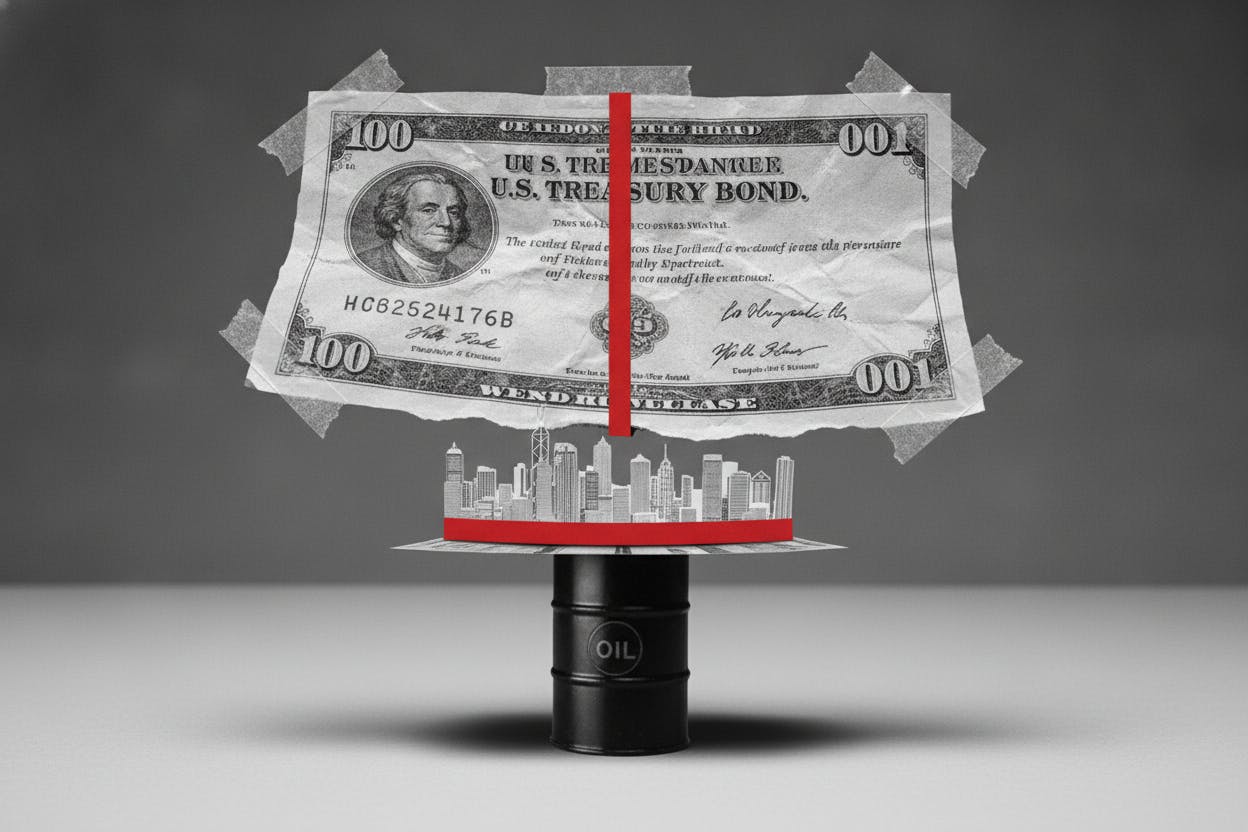
Hong Kong stocks closed lower on Wednesday as a fresh surge in US Treasury yields to their highest level since 2023 reignited concerns that interest rates may stay higher for longer. The Hang Seng Index gave up early gains, with investors turning cautious ahead of Friday's US payrolls report, a key data point that could shape the Federal Reserve's next policy move.
The move in yields reflects a broader repricing in global bond markets, as traders scale back expectations for aggressive rate cuts. Higher yields typically pressure equity valuations, particularly for growth and technology stocks, and can also strengthen the US dollar, which tends to weigh on emerging markets like Hong Kong.
HUTCHMED surges on GSK deal
In a bright spot, HUTCHMED shares jumped after the biopharmaceutical company announced a licensing agreement with British drugmaker GSK worth up to $1.30 billion. The deal covers the development and commercialisation of a novel cancer therapy, and investors welcomed the potential for significant milestone payments and royalties.
For HUTCHMED, the agreement provides a substantial cash infusion and validation of its drug pipeline, while GSK gains access to a promising asset without having to build the platform from scratch. Deals of this nature are common in the pharmaceutical industry, where larger companies often partner with smaller biotechs to fill their pipelines.
The positive reaction in HUTCHMED's shares stood out against the broader market's decline, underscoring how company-specific news can still drive outsized moves even when macro headwinds dominate.
Yields and oil stir rate jitters
The rise in Treasury yields has been driven by a combination of resilient economic data and rising oil prices, which together suggest inflation may not cool as quickly as hoped. Higher energy costs feed directly into consumer prices, and markets are now pricing in a slower pace of rate cuts from the Federal Reserve.
This dynamic is not unique to the US. Eurozone bond yields have also been volatile as energy prices swing, and similar concerns have weighed on other Asian markets. In South Korea, for instance, tech heavyweights like Samsung and SK Hynix slipped on the same bond yield and geopolitical worries.
Oil prices have been supported by tensions in the Middle East, with any disruption to supply threatening to push energy costs higher. Gold has also climbed on safe-haven demand as investors hedge against uncertainty.
What it means for investors
For everyday investors, the key takeaway is that interest rates remain the dominant force driving markets. When Treasury yields rise, borrowing costs for companies and consumers tend to follow, which can slow economic growth and squeeze corporate profits. That is why stock markets often react negatively to yield spikes.
The upcoming US payrolls report is critical because it will give the Fed and investors a clearer picture of the labour market's health. A strong jobs number could reinforce the case for keeping rates higher, while a weak one might revive hopes for cuts. Either way, expect volatility around the release.
For those with diversified portfolios, the current environment argues for patience. Markets across the globe are watching the same data, and moves in one region can quickly spill over into others. Keeping a long-term perspective and avoiding knee-jerk reactions to daily swings remains a sound approach.
While the Hang Seng's decline is notable, it is part of a broader pattern of risk-off sentiment driven by macro factors rather than a deterioration in Hong Kong's fundamentals. Company-specific news, like the HUTCHMED deal, shows that opportunities still exist for selective investors.



