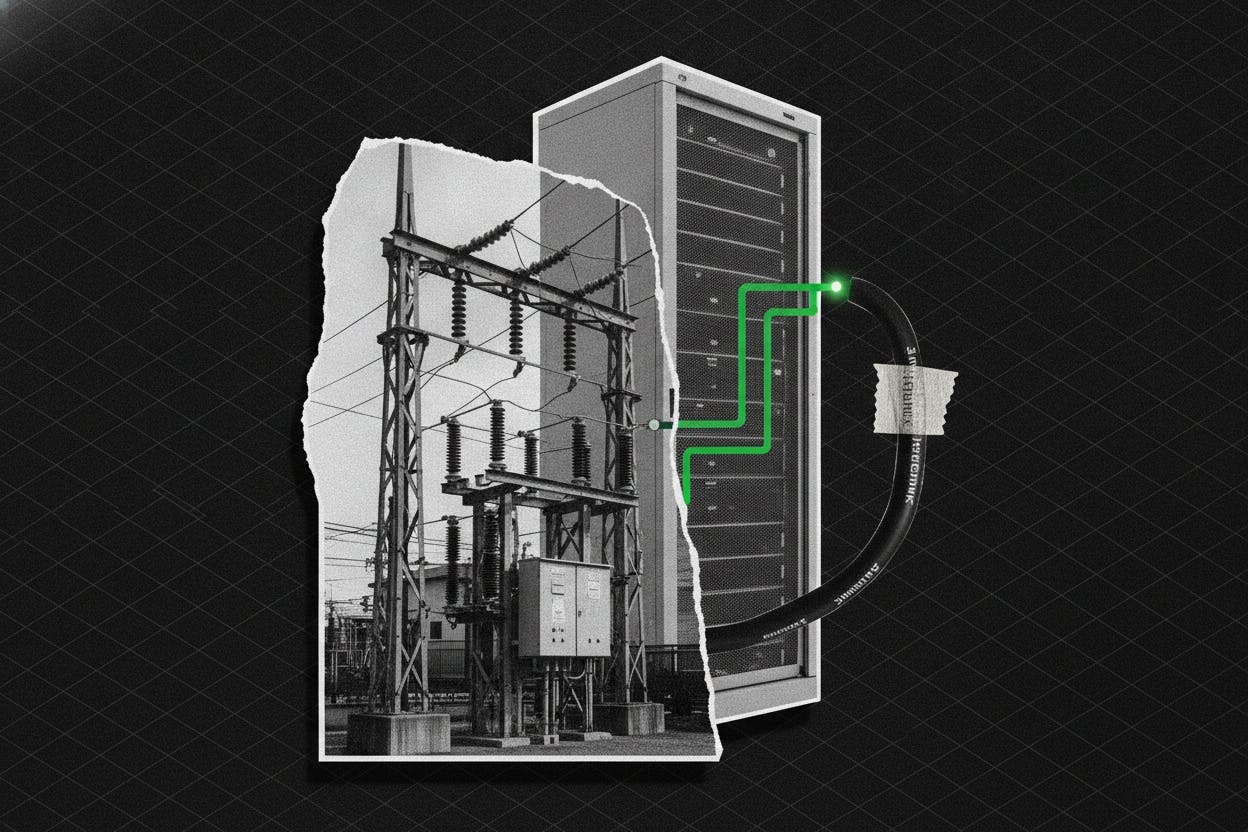
HMC Capital, an Australian investment manager, announced it has secured all necessary regulatory approvals for private equity firm KKR to fund its HMC Energy Platform. The green light from the Australian Competition and Consumer Commission and the Foreign Investment Review Board puts the deal on track to close around June 30, unlocking up to AU$603 million in backing from KKR-managed funds.
Deal Structure and Funding Details
The partnership involves a two-step commitment from KKR. At closing, KKR will provide AU$355 million, with an additional AU$248 million earmarked to finance the platform's first battery energy storage system. Battery storage systems are facilities that store electricity for later use, helping to balance supply and demand on the grid. This technology is increasingly important as renewable energy sources like solar and wind, which generate power intermittently, become more prevalent.
Under the deal, HMC's role shifts from being the primary funder of the platform to its manager. This change is significant for the company's financial profile. HMC expects to receive an AU$35 million establishment fee in fiscal year 2026, and its own capital tied up in the platform should decrease to approximately AU$190 million after completion. The business will be rebranded as Illuma Energy, and HMC plans to fold StorEnergy into Neoen's Victorian portfolio within the platform.
What This Means for Investors
For investors, the key metrics to watch are HMC's AU$35 million fee for FY2026 and the roughly AU$190 million of its own capital still at risk. With KKR supplying most of the growth funding, the focus shifts from how much cash the platform needs for projects to how much fee income HMC can generate per dollar of its own capital left in the business.
This is a classic transition to a "capital-light" business model. Markets often reward such managers with steadier fees and scalable growth, as opposed to balance-sheet-heavy development. Investors will likely monitor whether Illuma Energy can continue adding assets funded by KKR while HMC's exposure stays near that AU$190 million level. The expected AU$35 million fee could be the start of a repeatable revenue stream rather than a one-off win.
The broader energy sector has seen increased attention recently, with events like energy stocks surging after geopolitical tensions and oil creeping higher as gas storage builds exceed forecasts. However, HMC's deal is more about the financial engineering and strategic shift than direct exposure to commodity prices.
Regulatory and Strategic Context
The approvals from the ACCC and FIRB were the last major hurdles. The ACCC assesses whether deals could substantially lessen competition, while FIRB reviews foreign investments for national interest concerns. Their sign-off indicates no significant competition or sovereignty issues with KKR's involvement.
HMC's move to a capital-light model aligns with a broader trend among investment managers to reduce balance-sheet risk while retaining upside through fees. The company's decision to rebrand as Illuma Energy and integrate StorEnergy into Neoen's portfolio suggests a strategic focus on operational efficiency and scale.
For everyday investors, this deal illustrates how companies can reshape their financial profiles without selling assets outright. By bringing in a deep-pocketed partner like KKR, HMC can pursue growth without diluting shareholders or taking on excessive debt. The key question is whether the fee income will prove sustainable and grow over time.
As the energy transition accelerates, battery storage is becoming a critical component of grid infrastructure. HMC's platform, now backed by KKR, is positioned to capitalize on this trend. Investors will be watching for updates on new projects and the platform's ability to generate consistent returns.